

Effective ED Treatment. Private. Convenient. Trusted.
Doctor-prescribed ED medication delivered discreetly to your door.
Physicians
Private
Delivery

ED3 Max Dissolvable ED Pills
Long-lasting results up to 36 hours.
- Up to 36 Hour Window
- Improved Confidence
- Works When You Need It

Sildenafil 25mg
Proven effective treatment.
- Starts Working in 30–60 Min
- Effective, As Needed
- Trusted & Reliable
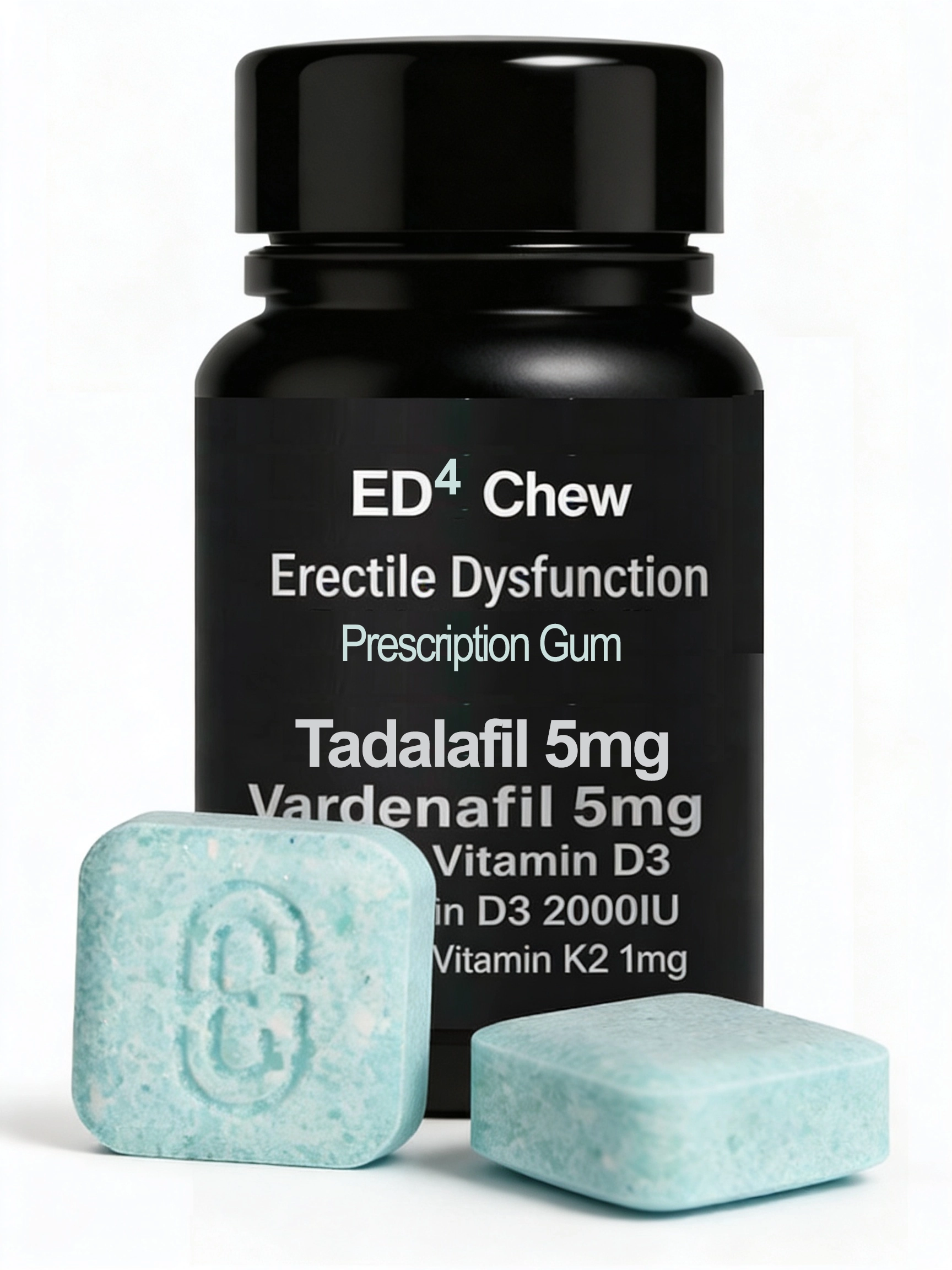
ED4 Chew Gum
Low daily dose for continuous readiness.
- Taken Once Daily
- Continuous Readiness
- Improves Confidence
Only a matter of months away from its 20th birthday, Viagra has shown itself to be a surprisingly versatile medication.
Pfizer’s iconic little blue pill has transformed the treatment of erectile dysfunction, but it also has proven itself helpful in treating a surprising array of illnesses and disorders. Sildenafil, Viagra’s active ingredient, has even been used in conjunction with certain chemotherapy drugs to help stimulate the patient’s immune system to more aggressively fight back against malignant cells.
One of the earliest discoveries of sildenafil’s versatility resulted in its use to battle pulmonary arterial hypertension, or PAH, an often chronic form of hypertension that targets the arteries carrying blood from the heart to the lungs. Left untreated, it can eventually lead to heart failure. In 2005, the Food and Drug Administration approved Pfizer’s petition to market 20-milligram tablets of sildenafil under the brand name Revatio for the express purpose of treating PAH. For nearly a decade now, pediatric specialists have been using sildenafil to treat pulmonary hypertension in babies, particularly those born prematurely.
Treating Birth Asphyxia
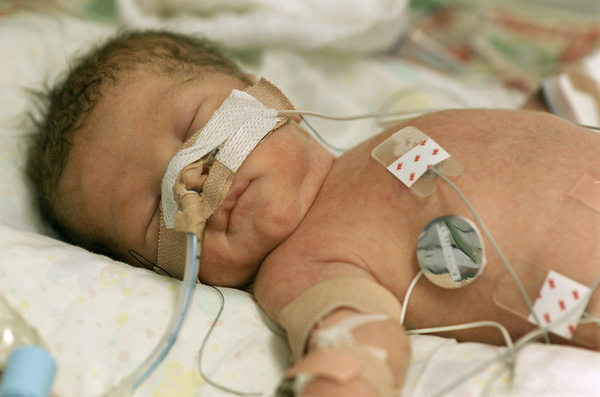
Now comes word from Montreal Children’s Hospital in Canada that doctors are conducting clinical trials to determine if sildenafil can also help to reverse the effects of birth asphyxia in premature babies. Animal studies have already demonstrated that this drug repairs brain damage in rats that are born with the same condition. Now they’re hoping that sildenafil’s ability to repair the damage associated with birth asphyxia in rats can be replicated in human preemies.
Birth asphyxia, also known as perinatal asphyxia, asphyxia neonatorum, and hypoxic-ischemic encephalopathy, occurs when a newborn fails to get enough oxygen immediately before, during, or just after the birth process. Seen most often in premature babies, the condition can be fatal if not treated promptly. Even when the baby survives the effects of birth asphyxia, the condition can lead to learning and developmental disabilities.
Clinical Trials Approved
Heartened by the uniformly positive results of animal testing, doctors at Montreal Children’s Hospital successfully petitioned Health Canada for permission to conduct Phase 1 clinical trials on premature babies suffering from birth asphyxia. Health Canada is a top-level governmental department charged with the responsibility of protecting and preserving public health.

Leading the research team at the Montreal hospital is neonatologist / pediatrician Pia Wintermark, M.D., who also participated in the animal tests and was impressed by the results those tests produced.
Of the findings from those earlier tests, she told the Montreal Gazette that sildenafil “seems to repair the damage, increase the number of neurons, decrease the inflammation, and improve the myelination, how the cells become specialized.”
Dr. Wintermark also pointed out that sildenafil is already being widely used to treat pulmonary hypertension in infants. However, those studies, she noted, focused almost entirely on the drug’s effects on the lungs and never really explored its effects on the brain.
Early MRI Use Recommended
Dr. Wintermark and her colleagues at McGill University Health Centre’s research center have discovered that MRI (magnetic resonance imaging) can be used as early as two days after birth to identify birth asphyxia-related damage to the brain. In the recent past, babies didn’t undergo MRI testing until at least 10 days after birth.
The earlier such damage can be detected, the sooner treatment can be initiated, said Dr. Wintermark. If MRI tests on day two indicate birth asphyxia-induced damage, the infants are administered a liquid dose of sildenafil that is introduced directly into their stomachs.
The clinical trials in Montreal are still in their very early stages. The research team hopes eventually to recruit a total of 20 premature babies for the randomized study. Half of the infants will be given sildenafil, while the other half will receive placebo. As of early June 2017, three premature babies have been treated with sildenafil.
Could Be Used in Hospitals Globally
Should this therapy prove effective in repairing at least some of the damage caused by birth asphyxia, said Dr. Wintermark, it could immediately be put into use in neonatal clinics and hospitals all around the world. “One of the good things about sildenafil is it’s very cheap,” she added.
Even if the Montreal clinical trials and subsequent testings prove that sildenafil is both safe and effective in treating the effects of birth asphyxia, Dr. Wintermark cautioned that it is not expected to totally reverse that damage. However, it would probably significantly reduce the long-term complications associated with the most severe cases of birth asphyxia.
Incidence of Birth Asphyxia
Although birth asphyxia occurs in only about four of every 1,000 full-term births, its incidence is significantly higher in babies born prematurely. As previously noted, the brain damage caused by birth asphyxia can lead to learning and developmental disabilities, one of the most common examples of which is cerebral palsy. In extreme cases, birth asphyxia can even lead to death.
One of the earliest studies showing the benefits of sildenafil in treating bronchopulmonary dysplasia (BPD), a chronic lung disease among preterm infants, was published in a 2005 issue of the “American Journal of Respiratory and Critical Care Medicine.” That study concluded that sildenafil improved alveolar growth and reduced elevated blood pressure in the lungs. The alveoli are the tiny air sacs in the lungs that facilitate normal respiratory function. In babies born prematurely, these alveoli are often underdeveloped, thus leading to severe respiratory difficulties for these infants.
Is It Safe for Infants?
For those who question the advisability of dosing premature babies with a drug designed primarily to treat erectile dysfunction in adult men, a review published in 2014 offers some reassuring revelations about the safety of sildenafil in children.

A team of pediatric specialists reviewed 49 studies covering 625 children, 145 of whom were infants, in which sildenafil was used to treat pulmonary hypertension.
That review, published in the May 2014 issue of “Pediatric Critical Care Medicine,” found “no evidence of serious adverse event in infants exposed to sildenafil.” Noting that the drug is a valuable option for the treatment of pulmonary hypertension in young infants, it urged that future studies be designed to “include a safety assessment to evaluate potential adverse outcomes of sildenafil therapy in this population.”
If this article has piqued your interest in current scientific research into virtually all aspects of medicine, particularly sexual health and function, check out our blog to ensure that you stay abreast of the latest developments on the consumer health front.

We specialize in providing our over 1,000,000 customers with relevant product and condition information created by our professional editorial staff which includes our team of medical writers, medical practitioners, and health educators. eDrugStore.com Staff on Facebook