


Effective ED Treatment. Private. Convenient. Trusted.
Doctor-prescribed ED medication delivered discreetly to your door.
Physicians
Private
Delivery

ED3 Max Dissolvable ED Pills
Long-lasting results up to 36 hours.
- Up to 36 Hour Window
- Improved Confidence
- Works When You Need It

Sildenafil 25mg
Proven effective treatment.
- Starts Working in 30–60 Min
- Effective, As Needed
- Trusted & Reliable
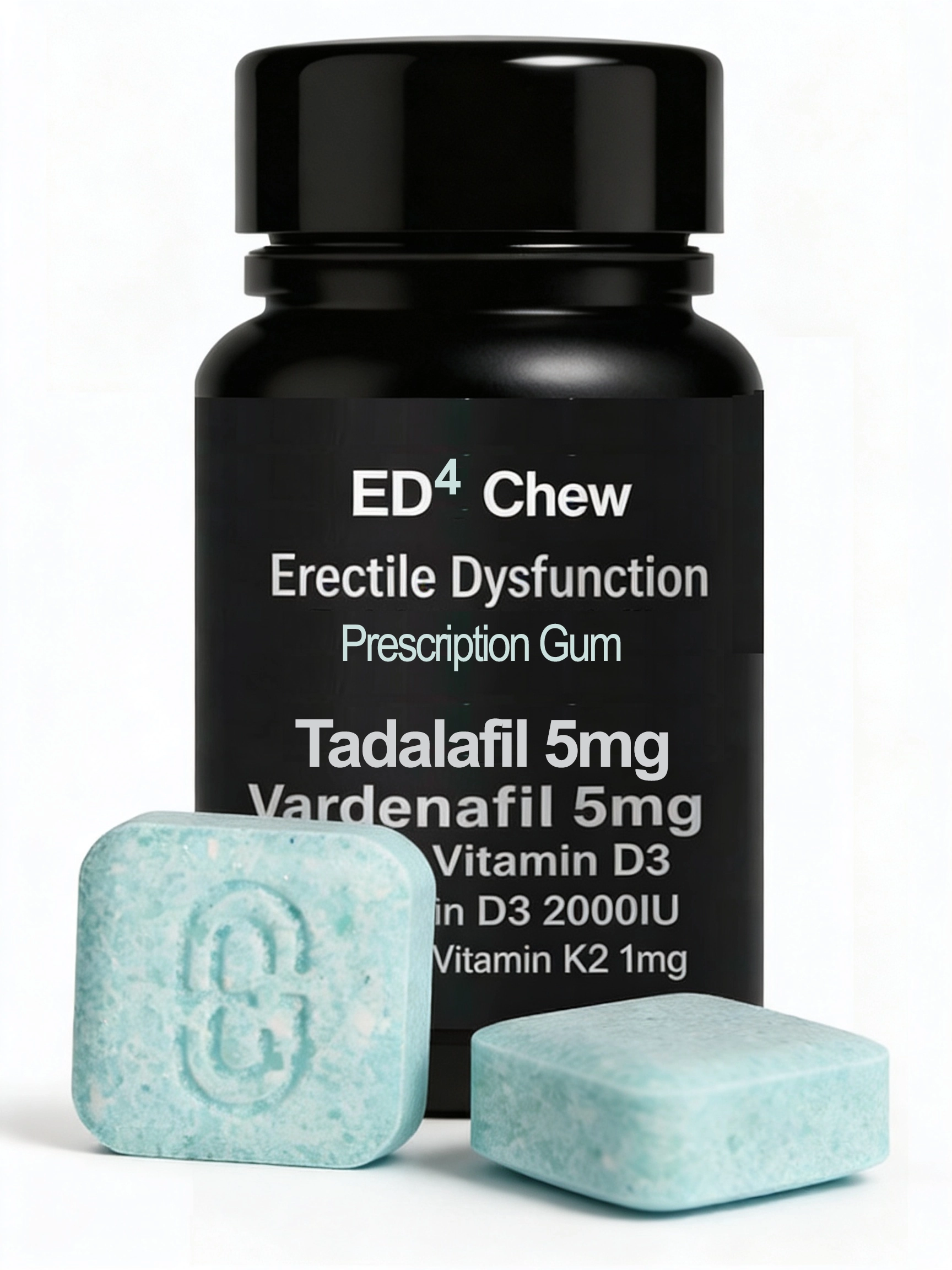
ED4 Chew Gum
Low daily dose for continuous readiness.
- Taken Once Daily
- Continuous Readiness
- Improves Confidence
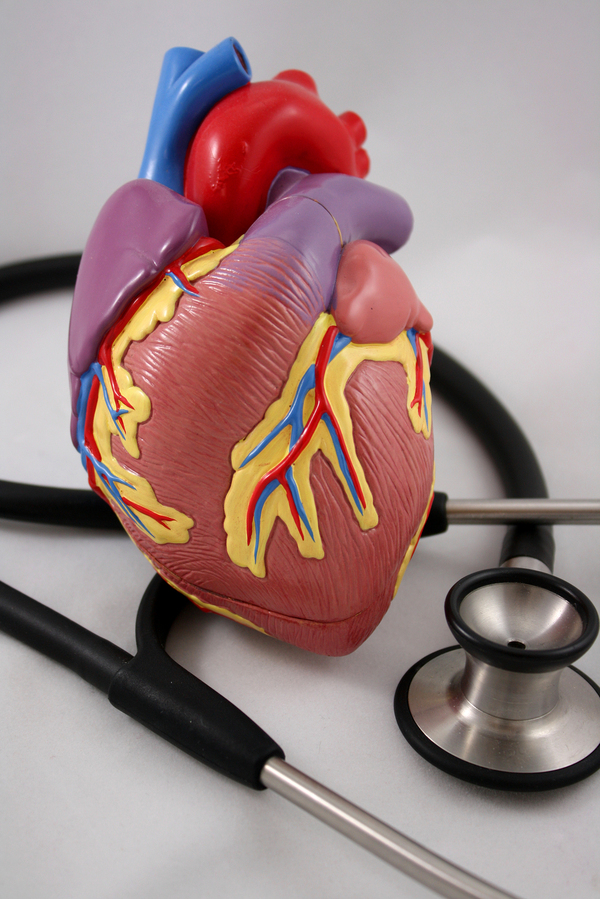
Sildenafil citrate, the active ingredient in Viagra, could help to reduce the risk of heart attack or heart failure, according to findings from a recent U.K. research study.
According to the American Heart Association, heart failure occurs when the heart muscle is weakened — as often happens in the wake of a heart attack — and unable to pump enough blood to meet the body’s needs for oxygen and blood. It is a chronic, progressive condition that is responsible for a high level of hospitalizations among those who are 65 or older.
6,000 Diabetic Patients Studied
Researchers at the University of Manchester’s Centre for Cardiac Research studied the effects of Viagra on roughly 6,000 male diabetics who had been given the drug to treat erectile dysfunction. Although diabetics typically are at a significantly elevated risk of heart problems, researchers found that those taking Viagra had a lower incidence of cardiac issues than nondiabetics not taking Viagra.
Just as sildenafil citrate increases blood flow to the penis, facilitating the erectile process, it also increases the flow of blood to the heart, thus promoting improved cardiac health. The U.K. study’s lead author, Andrew Trafford, Ph.D., is a professor of cardiac pathophysiology at the British university’s Institute of Cardiovascular Sciences. He told the Daily Express that he found the study’s findings “incredibly exciting.”
Earlier Findings Promising
Trafford went on to say that earlier studies have shown that ED medications, such as Viagra, “have a very pronounced effect in slowing the progression of heart failure as well as reducing the incidence of fatal arrhythymias.” The most recent study reveals that those taking sildenafil or other ED medications are also less likely to experience heart attacks.
The study conducted by Trafford and his colleagues was financed by the British Heart Foundation and is scheduled to be published in the journal “BMJ Heart” at some future date.
Among the findings from earlier studies was one that showed how sildenafil citrate could help patients with a condition known as left ventricular hypertrophy. Researchers in that study found that sildenafil citrate helped to keep the heart from increasing in size and changing shape.
_600x.jpg)
There’s a bit of irony involved in the recent findings of sildenafil’s benefits for cardiac health, given that the drug was originally researched for use as a treatment for angina, chest pain caused by insufficient blood flow to the heart. During the mid-1990s, Pfizer researchers in the United Kingdom conducted trials to see what, if any, effects the drug had on angina and high blood pressure.
Results from those early tests were disappointing, but one intriguing side effect was observed among male study participants. These test subjects, some of whom already suffered from the effects of erectile dysfunction, suddenly found it easier to get and keep an erection. Before long, Pfizer ended its study of the drug as a treatment for angina and high blood pressure and began looking at its potential as a treatment for impotence. The little blue pill made history in late March 1998 when the U.S. Food and Drug Administration approved Viagra as an oral ED medication.
How Sildenafil Works
Sildenafil citrate is classified as a PDE5 inhibitor, a class of drugs that get their name from their unique ability to temporarily disable the phosphodiesterase-5 enzyme, which can make it difficult for blood vessels to relax and dilate, thus increasing blood flow. Other PDE5 inhibitors on the market include Levitra (vardenafil hydrochloride), Cialis (tadalafil), and Stendra (avanafil).
Findings from the recent U.K. study echo those from an earlier Italian review of scientific literature, which was published in the October 2014 issue of “BMC Medicine.” That review, led by Andrea M. Isidori, M.D., Ph.D., associate professor of endocrinology at Rome’s Sapienza University, found that sildenafil and other PDE5 inhibitors could help to prevent thickening of the heart muscle and early-stage heart failure.
Clinical Trial Data Analyzed
Dr. Isidori and his colleagues analyzed data from 24 randomized clinical trials in which male patients had been treated with either a PDE5 inhibitor or a placebo. The trials reviewed by Dr. Isidori’s team involved 954 men who were randomized to PDE5 inhibitors and 772 who were randomized to placebo. These trials were conducted between January 2004 and May 2014 and involved mixed populations of patients. In some cases, PDE5 inhibitors were given to men suffering from cardiovascular disorders but not necessarily from erectile dysfunction.
In analyzing data from men who were given PDE5 inhibitors, the researchers, led by Dr. Isidori, found that the drug successfully kept the heart from changing shape in patients suffering from left ventricular hypertrophy. The PDE5 inhibitor also improved heart function in patients with a variety of cardiac conditions yet had no adverse effect on blood pressure.
Improves Cardiac Efficiency
Researchers also found that the drug improved efficiency when the heart pumped blood into vessels, along with relaxation between beats. Of this finding, Dr. Isidori said, “Very few drugs used in cardiology can actually affect these parameters. For this reason, their implications in the treatment and prevention of heart failure are huge.”
In an interview with NBC News shortly after the publication of his team’s scientific review, Dr. Isidori said the next logical follow-up based on the team’s findings would be a larger trial on female patients with cardiac disorders.
Also interviewed by NBC News about the Italian review was Robb D. Kociol, M.D., director of the heart failure program at the CardioVascular Institute at Boston’s Beth Israel Deaconess Medical Center. Dr. Kociol recalled that when Viagra was first approved by the FDA, a number of medical professionals worried that it might trigger a sharp rise in cardiac episodes among men with heart problems. “But in all studies, to the best of my knowledge, it’s not shown any increase in cardiac events in patients who take these drugs,” he said.
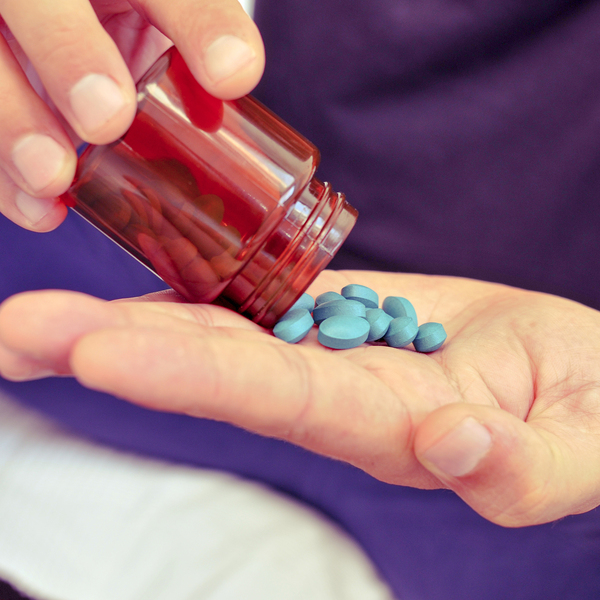
In fact, said Dr. Kociol, previous studies have indicated that PDE5 inhibitors, such as Viagra, may have benefits for heart failure patients by decreasing pulmonary artery resistance and providing cardioprotective effects in cases with low blood flow. He also said evidence indicates that PDE5 inhibitors increase exercise tolerance in heart failure patients and may even reduce the size of a heart attack.
For more than 11 years, sildenafil citrate’s brand-name formulation known as Revatio has been prescribed to improve exercise ability in patients with early-stage pulmonary arterial hypertension, or PAH. This is a condition in which the blood pressure in the arteries that travel from the heart to the lungs is elevated, making it difficult for the lungs to get the blood they need to function properly. As a result, the heart must work harder to pump blood to the lungs, which in time can lead to a weakening of the heart muscle and possible heart failure.
Revatio comes in 20-milligram tablets, which are taken three times daily for the treatment of PAH. By contrast, Viagra, the sildenafil citrate formulation used to treat erectile dysfunction, is available in tablets of 25, 50, and 100 milligrams. The usual starting dose for Viagra is 50 milligrams, which can be adjusted up or down depending on how the patient responds to the 50-milligram dose.
On the market for less than two decades, Viagra — or rather its active ingredient, sildenafil citrate — has proved to be an extraordinarily versatile drug, and it’s likely that still other applications for its use will eventually be discovered. To read additional articles about alternative uses for Viagra, sexual health and function, and other topics of interest to health consumers, check out our blog.

We specialize in providing our over 1,000,000 customers with relevant product and condition information created by our professional editorial staff which includes our team of medical writers, medical practitioners, and health educators. eDrugStore.com Staff on Facebook