


Effective ED Treatment. Private. Convenient. Trusted.
Doctor-prescribed ED medication delivered discreetly to your door.
Physicians
Private
Delivery

ED3 Max Dissolvable ED Pills
Long-lasting results up to 36 hours.
- Up to 36 Hour Window
- Improved Confidence
- Works When You Need It

Sildenafil 25mg
Proven effective treatment.
- Starts Working in 30–60 Min
- Effective, As Needed
- Trusted & Reliable
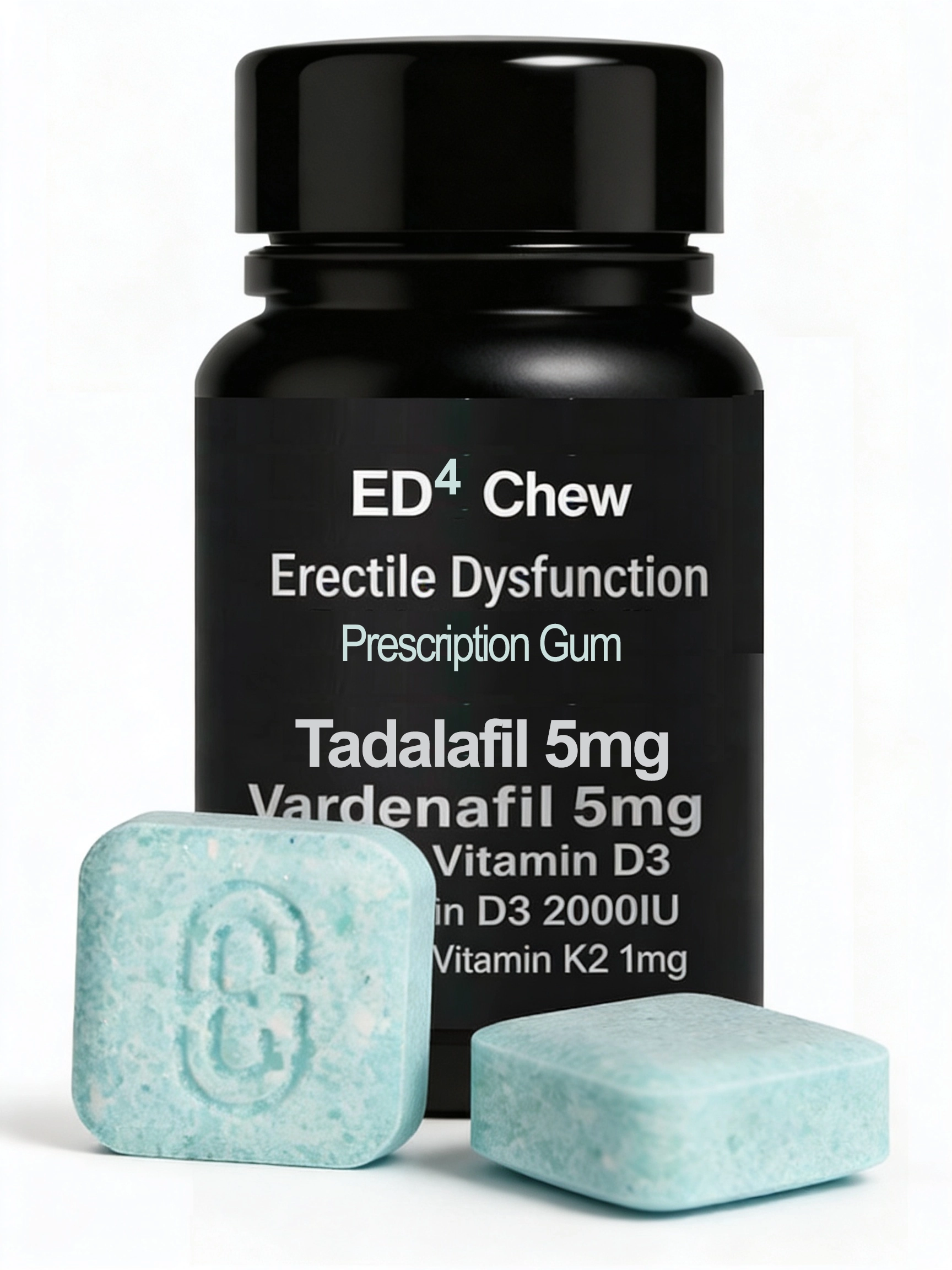
ED4 Chew Gum
Low daily dose for continuous readiness.
- Taken Once Daily
- Continuous Readiness
- Improves Confidence
Sexually transmitted infections are not the only health threat that men face during sexual activity. Penile fracture, although rare, is another potential danger, and to avoid it, you’ll want to put more thought into the positions you choose.
Safe sex for the vast majority of consenting adults refers to the need for protection — most often in the form of condoms — against the spread of sexually transmitted diseases during intercourse and other forms of sexual activity.
However, picking up an STD is not the only hazard one might encounter during sexual activity. For men, certain sexual positions are more likely to result in a painful injury to the penis. For them, safe sex also means choosing those sexual positions least likely to cause such an injury.
Men looking for guidance about which positions are most hazardous are likely to find conflicting data. In fact, two recent studies out of Brazil come to different conclusions when addressing this very topic. Perhaps the best advice is to exercise caution during sexual intercourse, especially when you’re in any of the sexual positions cited in these and other such studies.
No Bone in a ‘Boner’
If the very idea of a penile fracture induces an involuntary cringe — and it should — the advice that follows could help you to avoid suffering one of these painful mishaps. Although a “boner” doesn’t actually have a bone at all, it can nevertheless sustain a fracture during feverish sexual activity, and certain sexual positions make men more vulnerable to such an injury.
To fully understand what constitutes a penile fracture, it’s helpful to know a little bit about the mechanics of erectile function. The erection process begins when the brain detects feelings of sexual desire or physical stimuli to the penis or another male erogenous zone. In response to these signals, the brain sends a flood of nitric oxide coursing toward the pelvic region.
Arterial Blood Flow Expands
This nitric oxide, which itself is associated with expanded blood flow, sets off secondary chemical reactions. One such reaction triggers the release of a substance known as cyclic guanosine monophosphate, or cGMP. The cGMP signals the smooth muscle tissue lining the interior walls of arteries to relax, which expands those blood vessels so that they can carry a greater volume of blood.
This increased blood flow to the penis soon engorges the spongy erectile tissue contained within the corpora cavernosa, twin columns that run the length of the penile shaft. As the spongy tissue of each corpus cavernosum becomes filled with blood, erection is achieved. To help sustain the erection until sexual activity is complete, the veins that normally carry blood away from the penis contract, temporarily trapping the blood within the penile shaft. After ejaculation, these veins dilate and the blood drains away from the penis, returning it to its flaccid state.
Within the shaft of the penis, the twin corpora cavernosa as well as the urethra are enveloped by a tough fibrous layer of connective tissue known as the tunica albuginea. Although tough, the tunica albuginea is sufficiently elastic in nature to expand as the corpora cavernosa become filled with blood and the penis enlarges.
Blunt-Force Trauma Causes Fracture
Although rare, penile fracture can occur during vigorous sexual intercourse or aggressive masturbation. It can happen when the penis suffers blunt-force trauma after colliding with an unyielding part of the partner’s anatomy or is otherwise subjected to sudden trauma, such as might happen when a horseback rider’s erect penis comes into violent contact with the horn of his saddle.
Because the penis has no bone, the fracture occurs when a traumatic blunt-force injury ruptures the tunica albuginea. Such an injury is often accompanied by an audible snapping sound and, needless to say, considerable pain. Within short order, the blood from the corpora cavernosa escapes into surrounding tissue and the penis takes on a purplish hue and begins to swell, a sure sign of trouble.
Options for Treatment of Fracture
If you’re ever unlucky enough to experience a penile fracture, your best bet is to seek immediate medical attention. The preferred method of treatment is surgery to remove any blood clot resulting from the fracture and to repair the ruptured tunica albuginea. In the past, conservative, nonsurgical treatment, which consisted of ice packs, anti-inflammatory medications, and catheterization, failed to repair the injury and almost invariably led to long-term complications.
So which sexual position poses the greatest degree of risk of penile fracture? It depends on which study you’re reading. In one study a team of Brazilian urologists examined in depth 42 cases of penile fracture that had been diagnosed between January 2000 and March 2013 at three emergency hospitals in the metropolitan area of Campinas, which has a population of more than 3 million. They published their findings in a 2014 issue of Advances in Urology.
How Most Fractures Occurred
The Brazilian researchers found that 28 of the penile fractures — two-thirds of the total — occurred during heterosexual intercourse. Another six of the fractures were the result of penile manipulation (masturbation), four occurred during homosexual intercourse, and four of the 42 patients declined to reveal the circumstances that led to their injury.
Of the 28 men who experienced penile fracture injuries during heterosexual intercourse, 14 said the injuries occurred while the woman was on top. Eight said the fractures occurred during intercourse in the doggy-style position, and six men said they were on top when the injuries happened. Most of these injuries occur when the penis momentarily leaves the vagina during intercourse and collides with the female partner’s bony perineum when the man attempts to re-penetrate the vagina.
Rio Study Reaches Different Conclusion
_600x.jpg)
More recently, in another study, a team of urologists associated with the Souza Aguiar Municipal Hospital at the State University of Rio de Janeiro published their findings on the causes of penile fracture in 90 patients diagnosed with the injury.
Of the 90 penile fractures, 69 were found to have occurred during sexual intercourse. The results of this more recent study were published in the September/October 2017 issue of the International Journal of Impotence Research.
Thirty-seven of those 69 penile fractures occurred during doggy-style intercourse, while 23 happened while the man was on top in what is widely considered the missionary position. Ranking as the third most dangerous sexual position in the Rio study was with the woman on top, which accounted for nine of the 69 cases of intercourse-related penile fracture.
Men Should Exercise Caution
Given the somewhat contradictory findings from these two Brazilian studies, men are probably best advised to exercise caution no matter which sexual position they choose. It’s clear that even the relatively tame missionary position can lead to a painful injury, the consequences of which can be costly and time-consuming.
If this article has piqued your interest and you would like to stay abreast of the latest developments on the consumer health front, particularly on matters relevant to sexual health and function, follow our blog.

We specialize in providing our over 1,000,000 customers with relevant product and condition information created by our professional editorial staff which includes our team of medical writers, medical practitioners, and health educators. eDrugStore.com Staff on Facebook