

Effective ED Treatment. Private. Convenient. Trusted.
Doctor-prescribed ED medication delivered discreetly to your door.
Physicians
Private
Delivery

ED3 Max Dissolvable ED Pills
Long-lasting results up to 36 hours.
- Up to 36 Hour Window
- Improved Confidence
- Works When You Need It

Sildenafil 25mg
Proven effective treatment.
- Starts Working in 30–60 Min
- Effective, As Needed
- Trusted & Reliable
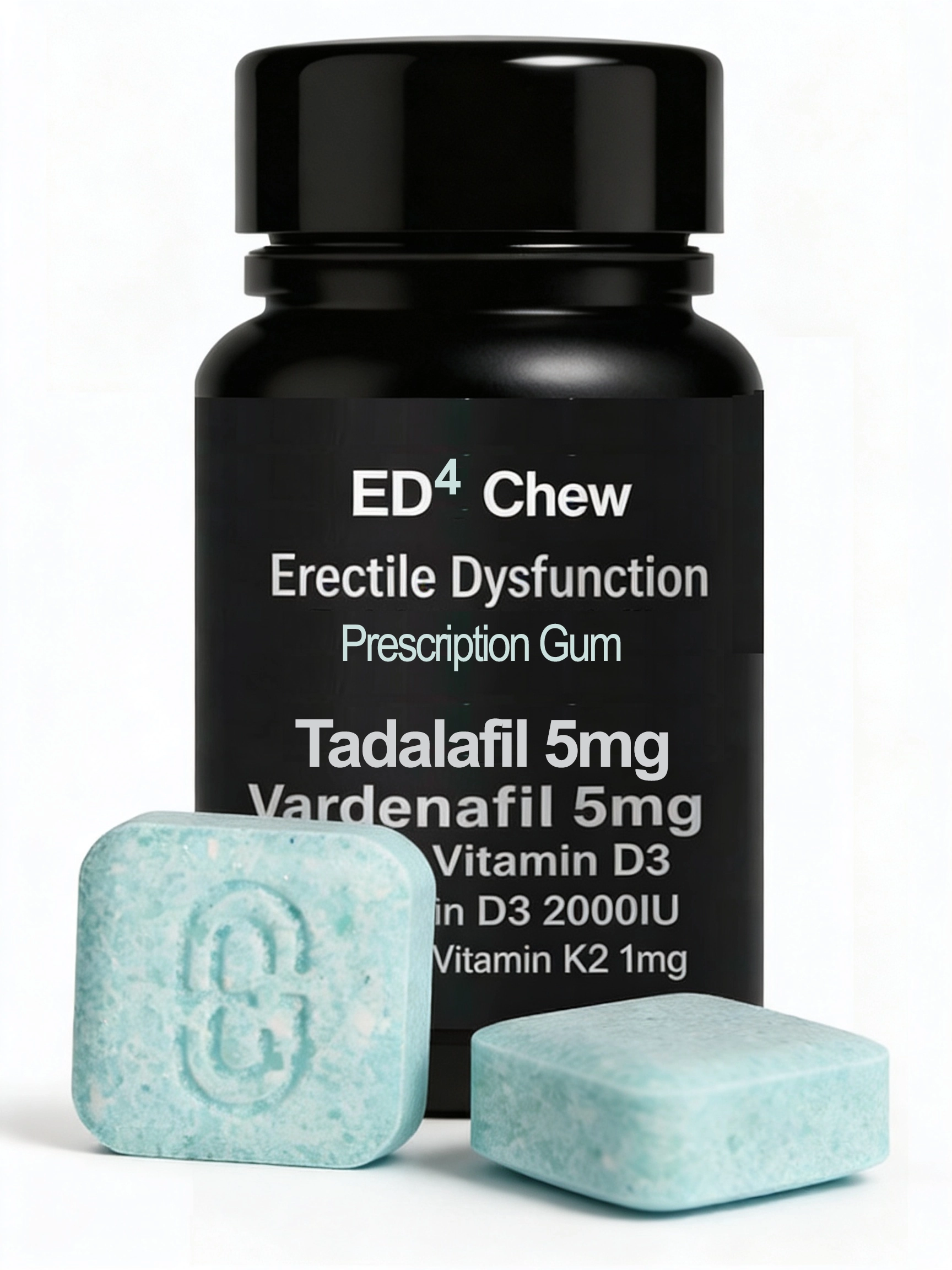
ED4 Chew Gum
Low daily dose for continuous readiness.
- Taken Once Daily
- Continuous Readiness
- Improves Confidence
The minimally invasive UroLift System effectively treats benign prostatic hyperplasia, a noncancerous enlargement of the prostate gland, without collateral damage to erectile function. Roughly 90 percent of men over the age of 80 suffer from BPH.
For years, a diagnosis of enlarged prostate has carried with it the very real threat of erection problems. Making things even worse, most of the traditional methods for treating enlarged prostate further increase the risk of impotence.
Fortunately for the hundreds of thousands of men who suffer from an enlarged prostate, increasingly sophisticated surgical and nonsurgical techniques can sharply reduce if not eliminate the risk of impotence once associated with enlarged prostate.
A case in point is the minimally invasive UroLift system, which has been shown in clinical trials to effectively treat enlarged prostate while preserving sexual function. Specifically, use of this patented prostatic urethral lift system has not been associated with any significant ejaculatory or erection problems.
Prostate Enlarges with Age
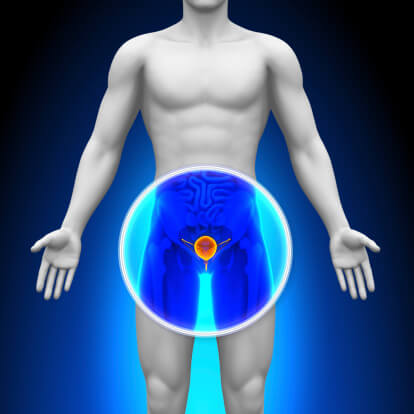
As men age, it’s not unusual for the prostate — a walnut-sized gland that sits between the bladder and the penis — to gradually become enlarged, a condition known as benign prostatic hyperplasia, or BPH. This enlargement of the prostate can trigger lower urinary tract problems by restricting or even blocking urinary flow.
As a result, men suffering from BPH may experience a host of symptoms, including a weak or slow urinary stream, a feeling that the bladder never empties completely, difficulty starting urination, and frequent, more urgent urination, according to WebMD.com. Other symptoms of BPH include more frequent urination at night, which can make it difficult to get a good night’s sleep; a urinary stream that starts and stops; feeling the need to urinate again shortly after urination; and continued dribbling of urine.
Linkage Confirmed
Although the link between enlarged prostate and erection difficulties had been noted anecdotally for years, it was not widely studied until relatively recently. In a study published in Mayo Clinic Proceedings in the spring of 2004, the findings from a survey of 2,115 men between the ages of 40 and 79 helped to confirm the linkage between the two.
According to an article posted at WebMD, ¨researchers found that each of the indicators of sexual function was inversely related to the severity of urinary tract symptoms reported by the men. As the men’s urinary symptoms increased, their level of sexual function decreased.¨

Among the various urinary tract symptoms caused by an enlarged prostate, men in the study group said four in particular were most closely related to problems with sexual function. These symptoms are (1) a feeling of urgency associated with urination, (2) the need to get up several times a night to urinate, (3) a weak urine stream, and (4) straining in order to start the urination process.
FDA Approves UroLift
Bringing new hope to BPH patients is the UroLift system, approved for marketing in the United States by the Food and Drug Administration in September 2013. According to the FDA’s announcement at that time, UroLift became ¨the the first permanent implant to relieve low or blocked urine flow in men age 50 and older with an enlarged prostate.¨
The UroLift device reduces pressure on urine flow by pulling back prostate tissue that is pressing on the urethra, the tube through which urine passes after it leaves the bladder. In trials conducted before FDA’s approval, UroLift increased urine flow by an average of 30 percent in patients studied. It also left a steady and consistent level of urine in the bladder after urination.
FDA’s approval of UroLift was a clear signal of the device’s ability to reduce lower urinary tract problems caused by BPH. However, confirmation that UroLift can preserve sexual function came in a study published in a 2014 issue of Urology Practice, a journal of the American Urological Society.
206 Patients Tracked
That randomized, controlled study followed 206 UroLift patients over a two-year period. It confirmed once again that the device effectively treated the urinary tract problems caused by BPH. Patients who had undergone the procedure reported a rapid improvement in urinary flow, symptoms and quality of life. Over the two-year study period, only 7.5 percent of UroLift patients required any additional form of BPH treatment.
In terms of the procedure’s impact, if any, on sexual function, the big news from the study was the report that not a single UroLift patient lost erectile or ejaculatory function.
Dry Orgasm
Although erection problems seem to be the primary focal point of concerns about side effects from BPH treatment, another adverse reaction experienced by the majority of men undergoing surgical treatment for enlarge prostate is dry orgasm (no ejaculation). In a recent report in the British Journal of Urology International, the authors say that thus far not a single case of dry orgasm has been reported among UroLift patients.
This absence of dry orgasm after the UroLift procedure contrasts sharply with the results seen after standard surgical treatment for BPH. Among men who undergo transurethral resection of the prostate (TURP), 65 percent on average lose the ability to ejaculate.
If you have thus far experienced no symptoms of enlarged prostate, keep your fingers crossed in the hope that none develops. Unlike other diseases and disorders with clearly identifiable causes, BPH has no known cause. Since doctors cannot pinpoint a cause, it’s impossible to identify risks that you can avoid to prevent BPH. While it clearly is more common among older men, the alternative to getting older is far more unattractive than BPH.
BPH Common in Elderly
So common is BPH among older men, according to MedlinePlus, that ¨it has been said that all men will have an enlarged prostate if they live long enough.¨ Among men over the age of 80, roughly 90 percent have BPH.
The ¨benign¨ in BPH’s official medical diagnosis indicates that it’s a noncancerous enlargement of the prostate gland. Although BPH shares some symptoms with prostate cancer, including an enlargement of the gland, BPH is not life threatening. Moreover, BPH targets one area of the prostate, while prostate cancer ordinarily attacks another.
As explained at ShareCare.com by urologist Sangtae Park, M.D., BPH affects the tissues of the prostate that surround the urethra, which carries urine from the bladder to the penis. Prostate cancer usually begins along the outer edges of the gland, causing it to become enlarged and firm. Because this cancerous activity focuses on the perimeter of the prostate, it is far less likely to interfere with urine flow until the disease reaches an advanced stage.
To differentiate between BPH and prostate cancer, your doctor or urologist may run a series of diagnostic tests, including a rectal exam and a PSA (prostate-specific antigen) blood test. In some cases, the doctor may order a biopsy of prostate tissue to confirm the presence of cancer.
If this article has been helpful to you and you would like to stay on top of the latest health information and news on the consumer health front, follow eDrugstore’s blog on a regular basis.

We specialize in providing our over 1,000,000 customers with relevant product and condition information created by our professional editorial staff which includes our team of medical writers, medical practitioners, and health educators. eDrugStore.com Staff on Facebook