

Effective ED Treatment. Private. Convenient. Trusted.
Doctor-prescribed ED medication delivered discreetly to your door.
Physicians
Private
Delivery

ED3 Max Dissolvable ED Pills
Long-lasting results up to 36 hours.
- Up to 36 Hour Window
- Improved Confidence
- Works When You Need It

Sildenafil 25mg
Proven effective treatment.
- Starts Working in 30–60 Min
- Effective, As Needed
- Trusted & Reliable
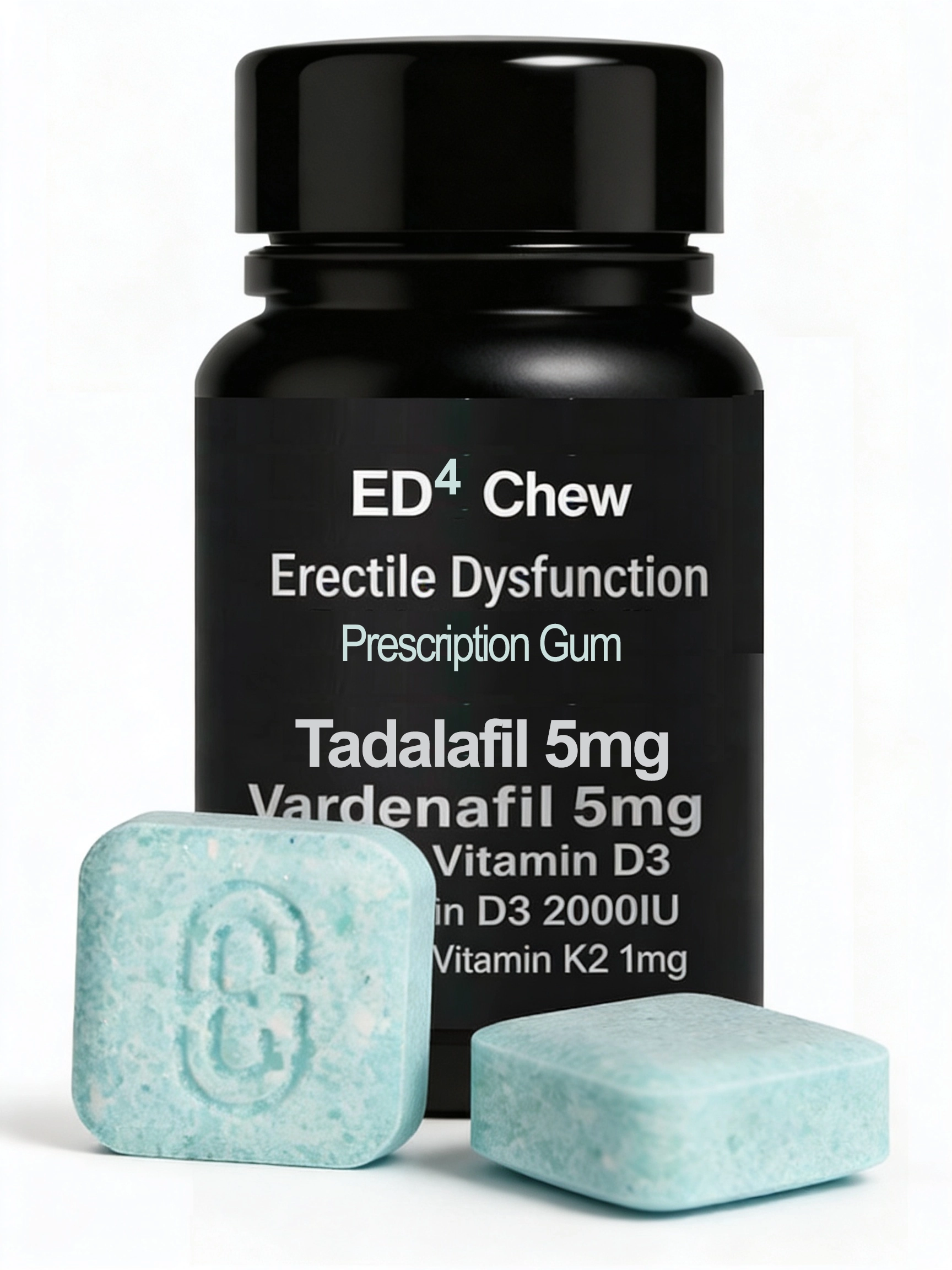
ED4 Chew Gum
Low daily dose for continuous readiness.
- Taken Once Daily
- Continuous Readiness
- Improves Confidence
Has erectile dysfunction (ED) advertising become intrusive enough to affect our “normal” daily lives? Depends who you ask.
Consumer Reports states that manufacturers Pfizer (Viagra), Lilly (Cialis) and GlaxoSmithKline (Levitra) spent more than $300 million in advertising their products in 2007 alone. Cialis ad spending was up to $152 million in 2007, more than 250 percent over 2006.
Considering that more than 18 million prescriptions were written for these drugs, and that combined sales eclipsed $3.7 billion, you can see why the manufacturers have casting calls for new commercials almost every day.
This is big money we’re talking about. But when does it go too far? Due simply to the demographics of certain TV audiences, the manufacturers focus their efforts in specific areas — especially sporting events.
Can parents watch a Sunday afternoon of NFL football with their kids, or sit through an evening watching “America’s Game,” without their own little sluggers asking why the guy in the commercial needs medicine?
You don’t exactly have to scour the internet to find media articles and blog posts calling for a reprieve from ED. Personally, I’ve gotten used to these commercials (don’t we fast-forward our DVR through them all now anyway?) and I don’t have kids. So, I may not be the best person to ask.
But on the other hand, many things that kids are exposed to these days (not the least of which are low-lifes at school or even many grown-up versions in the adult general public) are a lot worse.
Many things need to be explained to kids these days, and ED may seem like a walk in the park when it comes to drugs and other things we need to help our youth steer clear of. But, when it comes down to it, there’s always a non-profit we can turn to for a little guidance, right?
In this case, it’s the Pharmaceutical Research and Manufacturers of America, and their 16 Guiding Principles for Direct to Consumer Advertising. These guys are the “policy setters” and “watchdogs” over their industry.
For instance, No. 16 of their guiding principles states: “In terms of content and placement, DTC television and print advertisements should be targeted to avoid audiences that are not age appropriate for the messages involved. In particular, DTC television and print advertisements containing content that may be inappropriate for children should be placed in programs or publications that are reasonably expected to draw an audience of approximately 90 percent adults (18 years or older).”
Talk about ambiguous, huh? What is considered “content that may be inappropriate for children?” Good question. It is something that people all over the world debate. If you think you have the answer, feel free to leave a comment.
Right now, I need to go set my DVR.
Brian Bujdos

We specialize in providing our over 1,000,000 customers with relevant product and condition information created by our professional editorial staff which includes our team of medical writers, medical practitioners, and health educators. eDrugStore.com Staff on Facebook