

Effective ED Treatment. Private. Convenient. Trusted.
Doctor-prescribed ED medication delivered discreetly to your door.
Physicians
Private
Delivery

ED3 Max Dissolvable ED Pills
Long-lasting results up to 36 hours.
- Up to 36 Hour Window
- Improved Confidence
- Works When You Need It

Sildenafil 25mg
Proven effective treatment.
- Starts Working in 30–60 Min
- Effective, As Needed
- Trusted & Reliable
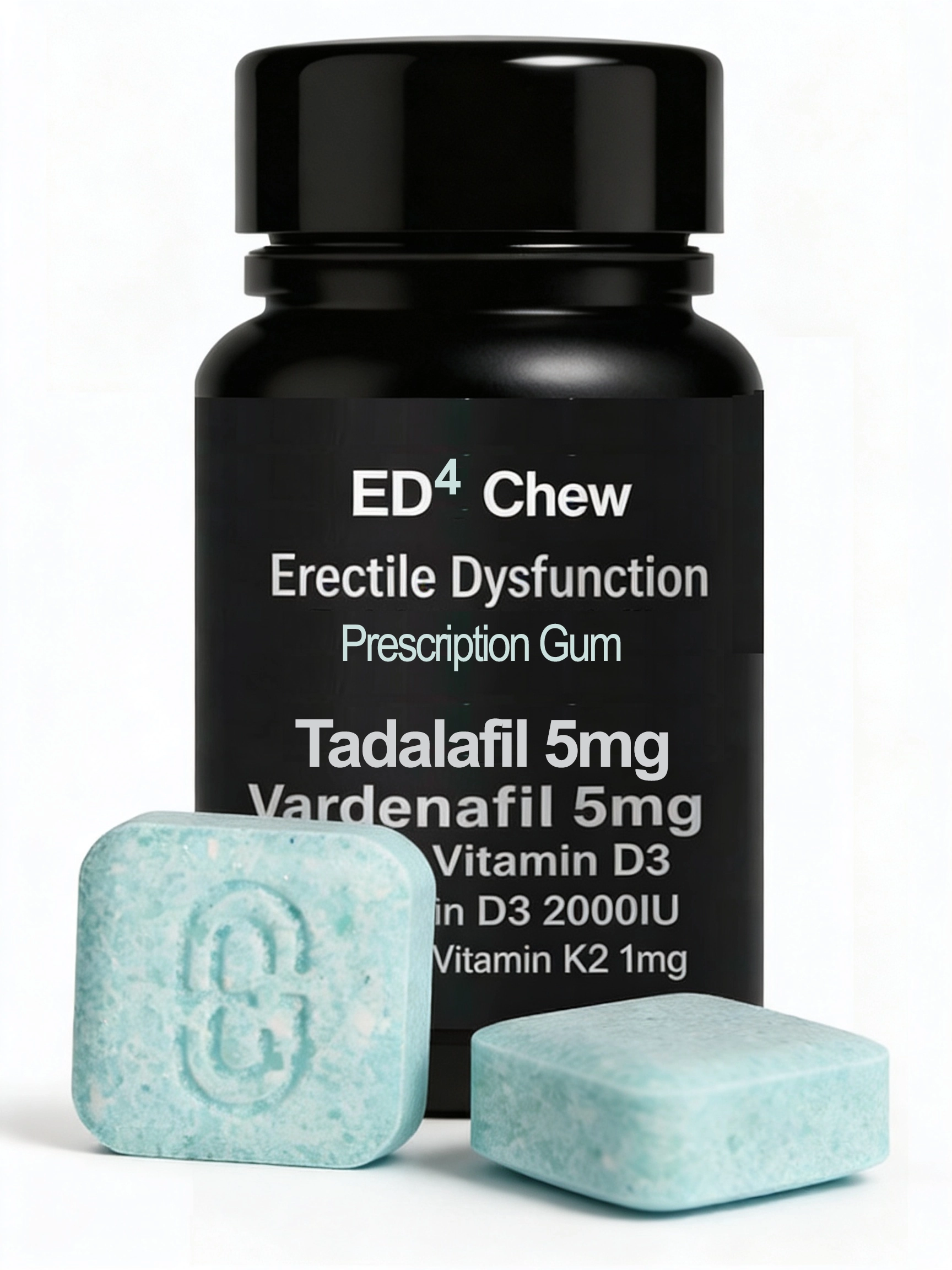
ED4 Chew Gum
Low daily dose for continuous readiness.
- Taken Once Daily
- Continuous Readiness
- Improves Confidence

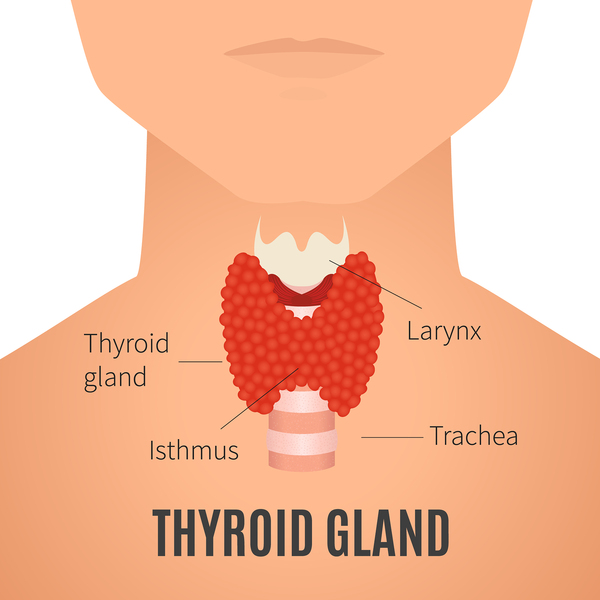
All too often overlooked, thyroid problems are a significant cause of sexual dysfunction among both men and women.
While most medical practitioners are more likely to explore the possibility of underlying thyroid problems as a possible cause of sexual dysfunction in women, thyroid problems are less likely to be considered when seeking the cause of male sexual dysfunction.
Thyroid dysfunction — whether in men or women — generally falls into one of two categories: underactive thyroid function, known clinically as hypothyroidism, and overactive thyroid function, also known as hyperthyroidism. While either type of thyroid dysfunction can lead to male sexual dysfunction, hypothyroidism seems to cause the lion’s share of such problems, according to a multicenter Italian study published in 2005.
Study Confirms Definite Link
Although the study was relatively small in scale, covering only 48 adult men, it showed a definite link between thyroid problems and various forms of male sexual dysfunction. Of the 48 men diagnosed with thyroid dysfunction, 34 suffered from hyperthyroidism and 14 suffered from hypothyroidism. All study participants were men who had sought treatment at andrology and endocrinology clinics at university hospitals.
The study, led by neuroendocrinologist Cesare Carani of Italy’s University of Modena, was published in the December 2005 issue of “The Journal of Clinical Endocrinology and Metabolism.” Carani and his colleagues looked at the prevalence of four major types of male sexual dysfunction — hypoactive sexual desire, erectile dysfunction, premature ejaculation, and delayed ejaculation — among men with thyroid problems.
PE Most Common in Hyperthyroidism
Of the 34 men diagnosed with hyperthyroidism, 50 percent suffered from premature ejaculation, 17.6 percent suffered from hypoactive sexual desire, 14.7 percent suffered from ED, and 2.9 percent suffered from delayed ejaculation. Among those men with hypothyroidism, only 7.1 percent suffered from premature ejaculation, but the incidence of the other three types of sexual dysfunction was more than 60 percent.
Study participants were treated to normalize thyroid function and then checked again to determine if the thyroid treatment had significantly improved their affected areas of sexual function. Improvement was noted across the board.
Greek Study’s Findings Are Similar
Yet another study, conducted by a team of Greek endocrinology researchers and published in the May 2008 issue of “The Journal of Clinical Endocrinology and Metabolism,” produced similar findings. The Greek study focused in particular on the incidence of ED among men diagnosed with both hyper- and hypothyroidism.
Included in the study were 71 men diagnosed with thyroid dysfunction — 27 with hyperthyroidism and 44 with hypothyroidism — and a similar number of healthy men who served as controls. All men were asked to take the five-question Sexual Health Inventory for Males, or SHIM, before treatment for thyroid problems and then again a year after treatment had begun. A SHIM score of 22 to 25 is considered normal, while a score between 11 and 21 is viewed as diagnostic of mild to moderately severe ED. A score of 10 or less is seen as indicative of severe ED.
Widespread ED Revealed
At the outset of the study, 56 men with thyroid dysfunction — 19 with hyperthyroidism and 37 hypothyroidism — had SHIM scores of 21 or less, compared with only 24 of the control group.
Twenty-one of the thyroid patients had SHIM scores of 10 or less, compared with only six members of the control group.
The study found that ED was far more prevalent among men with thyroid dysfunction than among healthy men. However, after treatment designed to normalize thyroid function, researchers observed sharp increases in SHIM scores, reflecting improved erectile function among this group.
If this article has captured your interest and you would like to stay abreast of current developments on the consumer health front, particularly news relevant to sexual health and function, follow our blog.

We specialize in providing our over 1,000,000 customers with relevant product and condition information created by our professional editorial staff which includes our team of medical writers, medical practitioners, and health educators. eDrugStore.com Staff on Facebook