


Effective ED Treatment. Private. Convenient. Trusted.
Doctor-prescribed ED medication delivered discreetly to your door.
Physicians
Private
Delivery

ED3 Max Dissolvable ED Pills
Long-lasting results up to 36 hours.
- Up to 36 Hour Window
- Improved Confidence
- Works When You Need It

Sildenafil 25mg
Proven effective treatment.
- Starts Working in 30–60 Min
- Effective, As Needed
- Trusted & Reliable
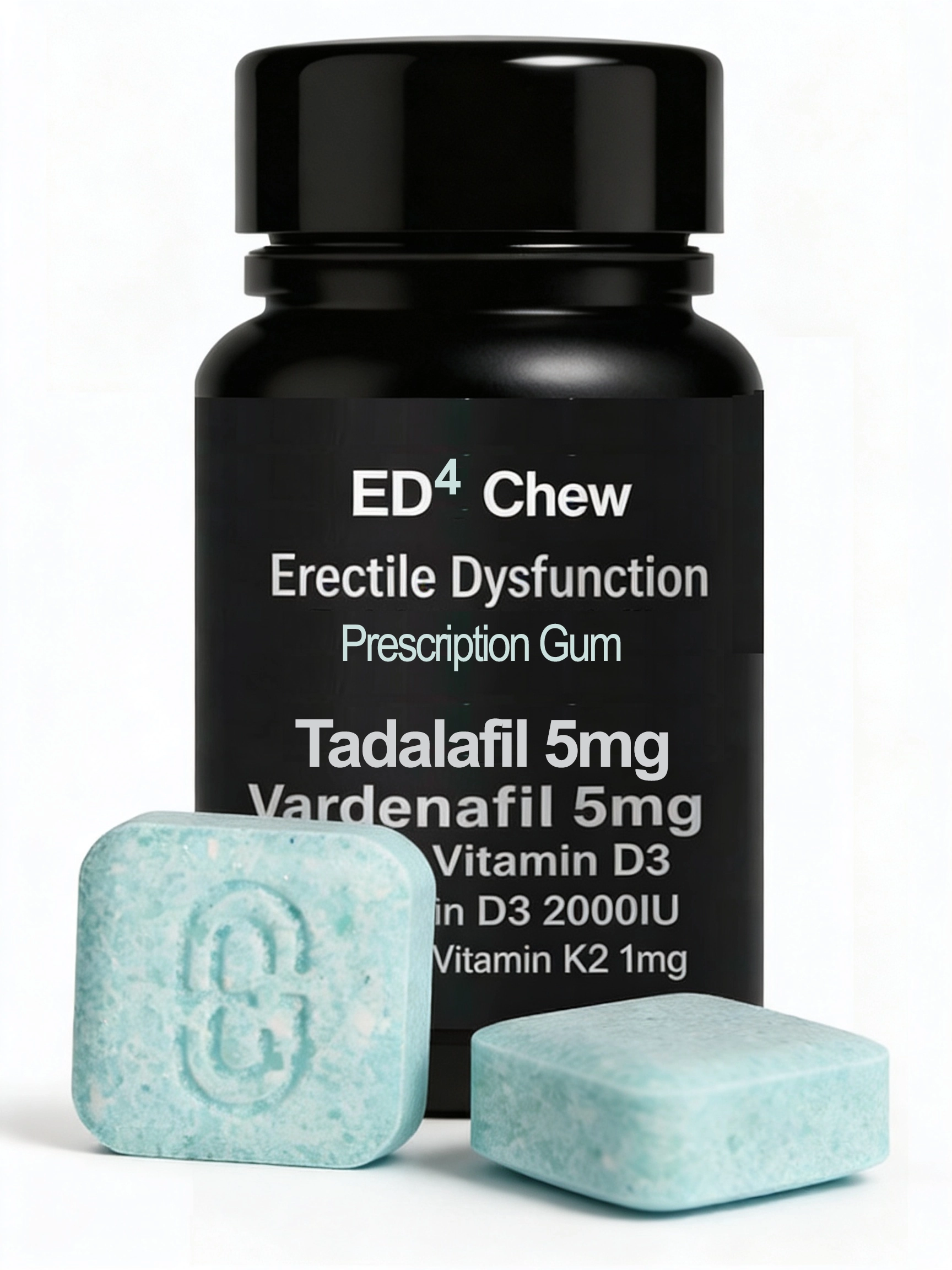
ED4 Chew Gum
Low daily dose for continuous readiness.
- Taken Once Daily
- Continuous Readiness
- Improves Confidence
Researchers find that men carrying certain strains of anaerobic penile bacteria face a higher risk of infection with HIV. The bacteria are found most often in the moist folds of foreskin on uncircumcised penises.
Infection with the human immunodeficiency virus, or HIV, is no longer the virtual death sentence it was back in the 1980s.
However, contracting the virus is likely to forever change the lives of those who learn they’re carrying it. A daily regimen of potent antiretroviral medications — for the rest of their lives — is just one of the many consequences for those who are infected with HIV.
Given the dire implications of infection with the virus, sexually active men and women must take every step possible to minimize their risk of contracting HIV. A recently published study indicates that the risk of infection with the virus is significantly higher in men with high levels of anaerobic bacteria strains known to thrive in the folds of penile foreskin.
Ugandan Men Studied
The subjects for the study, published in the July 2017 issue of mBio, an open-access journal published by the American Society for Microbiology, were uncircumcised Ugandan men, all of whom professed to be heterosexual. Conducted by a team of researchers from American, Canadian, and Ugandan medical institutions, the study was a follow-up to earlier findings that found an association between circumcision and a reduced risk of HIV infection.
Uganda was selected as the focal point for the study because it is a low-income country where HIV is transmitted primarily from women to men. It also has an extraordinarily high rate of HIV infections. Epidemiologist Cindy M. Liu, M.D., of George Washington University, is the study’s lead author. Liu said that in Uganda the absolute risk of a man becoming infected with the virus after a single instance of vaginal intercourse with an HIV-positive woman is one in 263. This is sharply higher than the absolute risk — one in 2,380 — for the same demographics in developed countries.
Focus on 10 Bacterial Strains
The international research team focused on 10 strains of anaerobic bacteria that are known to thrive tucked within the folds of the foreskins of uncircumcised men. Found most commonly in the gastrointestinal tract, anaerobic bacteria are those that can live and grow without oxygen. Researchers found that these 10 types of bacteria make up an average of 62 percent of all penile bacteria found on study participants. These 10 strains of penile anaerobic bacteria are those that are most substantially reduced if a man undergoes circumcision.
At the outset of the study, the research team recorded the baseline populations of anaerobic bacteria on the penises of the 182 uncircumcised Ugandan men who made up the study group. At the end of the two-year study period, 46 had become infected with HIV, while 136 remained virus-free. Researchers found higher levels of eight strains of anaerobic bacteria, including Prevotella, Dialister, Mobiluncus, Murdochiella, and Peptostreptococcus, on the penises of men infected with HIV, compared with those who remained virus-free.
Despite finding higher levels of specific anaerobic bacteria strains in men who contracted HIV, total penile bacteria loads were very similar between those infected with HIV and the control group that remained HIV-free.
What’s a Microbiome?
A microbiome refers to the strains of bacteria and other microbes found in or on the body or a specific part of the body. When the delicate balance between microbes is upset, a condition known as dysbiosis is said to exist within that microbiome.
In an August 2017 article posted at ScienceNews.org, staff writer Laurel Hamers says that the findings of the HIV study on Ugandan men are similar to earlier findings that microbial imbalance within the vagina can also increase the risk of HIV transmission. Commenting on the Ugandan study, microbiologist/gynecologist Deborah Anderson said it “mirrors what’s been seen in women, but it’s the first study of its kind in men.”
Circumcision Cuts HIV Risk
Interviewed by Hamers, cell biologist Thomas Hope said that the Ugandan study’s findings may help to explain why circumcision cuts the risk of HIV transmission. During circumcision, the extra flap of skin known as the foreskin is removed, thus removing a moist and oxygen-starved environment in which anaerobic bacteria are known to thrive. Hope is affiliated with Northwestern University’s Feinberg School of Medicine in Chicago.
The findings from the Ugandan study don’t provide a clear cause-and-effect relationship between high levels of certain penile anaerobic bacteria and an elevated risk of HIV infection. However, they did offer a tantalizing clue that an inflammatory response could be involved. Researchers found that men with higher levels of anaerobic penile bacteria also had higher levels of inflammatory cytokine proteins.
Further Study Planned
Lead author Liu suggests that certain bacteria “might cause inflammatory response that would cause the immune cells to congregate in the penis, where they’re more likely to be exposed to the virus.” Liu said she and her colleagues hope to test this theory by examining tissue samples from circumcised foreskins to see if they can establish a relationship between the penile biome and the kinds of immune cells found in the foreskin.
For now, practicing safe sex remains the best strategy for preventing the transmission of HIV virus. However, Liu hopes that topical creams that adjust the bacterial balance of the penis could someday offer yet another weapon in the fight against HIV infection.
Men who use Viagra, Cialis, or one of the other PDE5 inhibitors to overcome symptoms of erectile dysfunction sometimes lose sight of the fact that these medications do nothing to prevent HIV infection. They, too, must remember to practice safe sex at all times.
If this article has captured your interest and you’d like to read more about the latest developments on the consumer health front, including news relevant to sexual health and function, check out our blog.

We specialize in providing our over 1,000,000 customers with relevant product and condition information created by our professional editorial staff which includes our team of medical writers, medical practitioners, and health educators. eDrugStore.com Staff on Facebook