


Effective ED Treatment. Private. Convenient. Trusted.
Doctor-prescribed ED medication delivered discreetly to your door.
Physicians
Private
Delivery

ED3 Max Dissolvable ED Pills
Long-lasting results up to 36 hours.
- Up to 36 Hour Window
- Improved Confidence
- Works When You Need It

Sildenafil 25mg
Proven effective treatment.
- Starts Working in 30–60 Min
- Effective, As Needed
- Trusted & Reliable
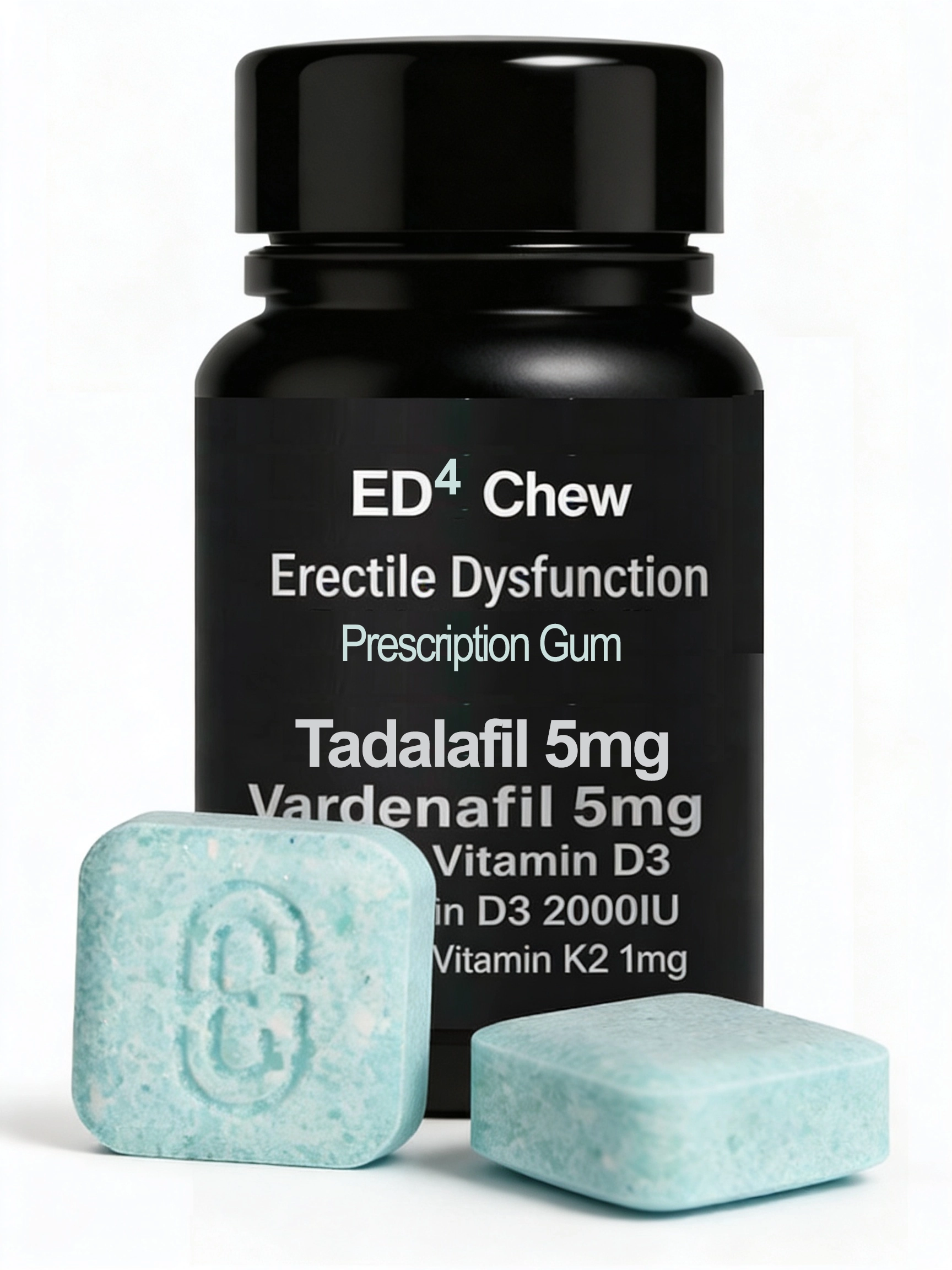
ED4 Chew Gum
Low daily dose for continuous readiness.
- Taken Once Daily
- Continuous Readiness
- Improves Confidence
The incidence of erectile dysfunction is high in men who suffer from certain underlying medical conditions or take medications incompatible with normal erectile function. Work with your doctor to determine which, if any, of these factors applies to you.
As you may already know, the single biggest direct cause of erectile dysfunction is insufficient blood flow to the penis. However, to properly treat ED, it’s important to pinpoint all the factors responsible for compromised blood flow to the penis.
Medical science has established that three underlying problems account for an inordinate share of ED diagnoses. These are cardiovascular disease, endocrine issues, and medications that are incompatible with normal erectile function. Talk to your doctor to find out whether one of these factors is the probable cause of your erectile problems, and work with the doctor to treat not just your ED but its underlying cause as well.
1. Cardiovascular Disease
Several manifestations of cardiovascular disease can lead to symptoms of ED. These include atherosclerosis, the buildup of fatty plaques on the walls of arteries; high blood pressure; and elevated levels of low-density lipoproteins, also known as bad cholesterol, in your bloodstream.
Adopting lifestyle choices designed to minimize cardiovascular disease will help to minimize your erection problems while also reducing your risk of a catastrophic cardiovascular episode such as a heart attack or stroke. Eating a healthy diet, regular exercise, weight loss, stopping smoking, and moderation in alcohol consumption can all improve both cardiovascular and erectile fitness.
2. Endocrine Issues
The body’s endocrine system is composed of glands that secrete hormones, chemical compounds that help to regulate a wide array of bodily functions essential to good health. Of the many endocrine-related diseases that can affect erectile function, diabetes is perhaps the single biggest contributor to symptoms of impotence. Men with diabetes face a significantly higher risk of developing ED than nondiabetics.
If your doctor diagnoses you as prediabetic, you may be able to take steps to avoid developing full-blown symptoms of the disease. If you’ve already been diagnosed with type 2 diabetes, working with your doctor to control your disease will also help to reduce your risk of ED.
Another endocrine issue related to erectile function is hypogonadism, the failure of the testes to produce sufficient levels of testosterone, the primary male sex hormone. While testosterone doesn’t play a direct role in erectile function, it is critical to the regulation of sexual desire. A chronic deficiency of testosterone can lead to a loss of sexual desire, which is a primary trigger for erectile function.
3. Drug Interactions
Certain medications are incompatible with normal erectile function. If you are taking such a drug, it may be difficult, if not impossible, to get and keep an erection suitable for intercourse. Talk to your doctor to see if a more erection-friendly drug can be substituted for the one that’s causing problems.
Among the drugs most widely associated with ED are diuretics such as furosemide and spironolactone; antihistamines such as dimenhydrinate, diphenhydramine, and promethazine (Phenergan); and beta-blockers such as carvedilol and metoprolol. Other problematic medications include certain antidepressants, including selective serotonin reuptake inhibitors such as fluoxetine; alpha-adrenergic blockers such as tamsulosin; and both central nervous system depressants and stimulants.
* * *
For men suffering from ED caused by insufficient blood flow to the penis, Viagra and the other oral ED drugs known as PDE5 inhibitors represent the treatment of choice. You might find that ordering your medications through longtime online facilitator eDrugstore.com can save you both time and money. To learn more, visit its Erectile Dysfunction page.
