


Effective ED Treatment. Private. Convenient. Trusted.
Doctor-prescribed ED medication delivered discreetly to your door.
Physicians
Private
Delivery

ED3 Max Dissolvable ED Pills
Long-lasting results up to 36 hours.
- Up to 36 Hour Window
- Improved Confidence
- Works When You Need It

Sildenafil 25mg
Proven effective treatment.
- Starts Working in 30–60 Min
- Effective, As Needed
- Trusted & Reliable
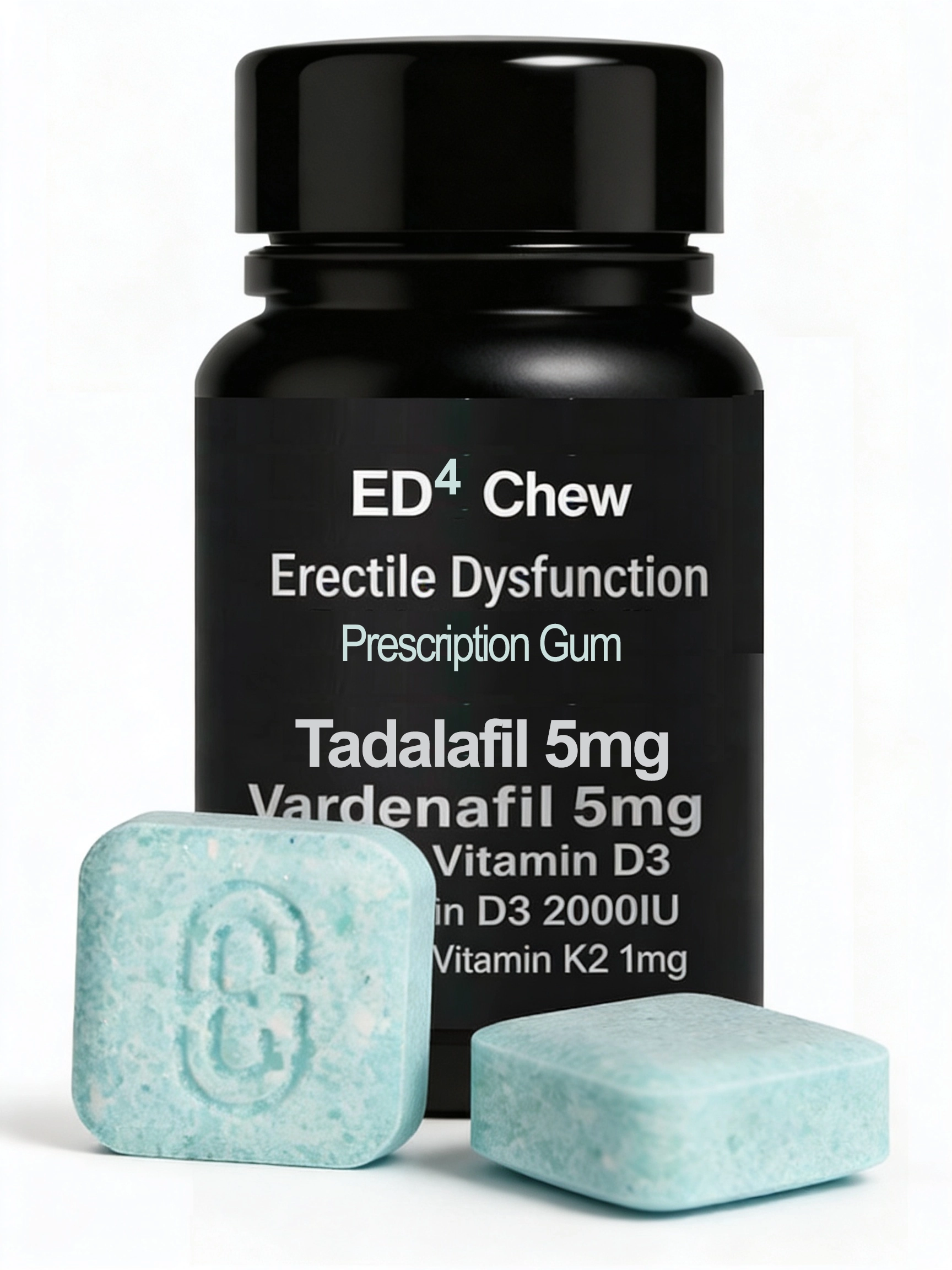
ED4 Chew Gum
Low daily dose for continuous readiness.
- Taken Once Daily
- Continuous Readiness
- Improves Confidence
Highlights
- Anorgasmia in men is when orgasm is delayed or doesn’t happen at all.
- Both physical and psychological factors, including medications, anxiety, or low testosterone, can contribute.
- Primary and secondary types affect men differently, with secondary often linked to situational or emotional triggers.
- Professional diagnosis and tailored anorgasmia treatment men options can improve sexual satisfaction.
- Lifestyle changes, communication with partners, and mental health support play a vital role in managing anorgasmia.
Most men, let’s be honest, usually think of erectile dysfunction or premature ejaculation right off the bat when talking about sexual issues. However, it is still another problem which is often not acknowledged, that is, anorgasmia in men, or having trouble to orgasm even if everything else seems to be going well.
If you have ever found yourself feeling frustrated, anxious, or “stuck” while being intimate, then you are not the only one. Male anorgasmia is not something related to performance but is rather about the body that is not reacting as it should. This disorder can be at any age, and the reasons can be psychological, physical, or both. The good news? A lot of men feel better with proper comprehension and the correct method.
In this article, we will talk about the different types of anorgasmia in men, the main symptoms of anorgasmia, the common anorgasmia causes, and some practical ways to treat it. We will also learn about the changes in lifestyle and the profession strategies that make the treatment of anorgasmia in men more efficient. Whether you’re looking to manage the condition or just understand it better, this guide offers actionable insights to improve sexual function.
What Is Anorgasmia in Men?
When it comes to male sexual health, most people think about erections or premature ejaculation. But anorgasmia in men is different. It’s the ongoing difficulty or complete inability to reach orgasm, even when arousal and erections are normal.
It’s more than just taking longer. In anorgasmia, the “finish line” may never come, which can feel frustrating, stressful, and impact both confidence and relationships. Some men can’t orgasm at all, while others only struggle in certain situations, like with a partner versus solo.
You may also hear terms like delayed ejaculation, inhibited orgasm, or anorgasmia. The difference is that delayed ejaculation means it takes a long time, while anorgasmia refers to the absence of orgasm altogether. Knowing this distinction is the first step toward understanding the condition and exploring effective anorgasmia treatment men can benefit from.
At the core, anorgasmia is a real and treatable condition. It’s not about shame; it’s about learning what’s happening in your body and finding the right support.
Types of Anorgasmia in Men
Anorgasmia isn’t one-size-fits-all. Knowing your type helps shape the most effective anorgasmia treatment men can use.
- Primary Anorgasmia: You’ve never experienced an orgasm. It may feel isolating, but many men in this group find help and support through medical and sex-therapy options.
- Secondary (Acquired) Anorgasmia: You orgasmed before, but something changed. This could be stress, medication, health issues, or emotional challenges.
- Situational Anorgasmia: Orgasm happens during solo sex but not during partner intimacy—or vice versa.
According to PubMed, only 25% of males routinely achieve orgasm in all sexual encounters, and the rate changes with age and health changes.
Knowing whether it’s primary, secondary or situational is the first step toward targeted support, so you and your provider can plan an approach that really works.
Symptoms of Anorgasmia
So how do you know if you might be dealing with anorgasmia? The most obvious symptom is simple – you just can’t reach orgasm, no matter how aroused you are. But there are other signs that may not be as obvious at first.
Some men notice changes in their sexual habits or feelings, like:
- Avoiding intimacy because they know they probably won’t finish.
- Masturbating more often to reach orgasm.
- Feeling frustrated, anxious, or generally dissatisfied with their sex life.
- Losing interest in sex over time because it doesn’t feel rewarding.
- Relationship issues caused by the stress of sexual frustration.
These symptoms often overlap with erectile dysfunction or low libido, which can make things more confusing. Spotting them early and seeking guidance can help you find the right anorgasmia treatment men rely on to regain confidence and pleasure.
Common Causes of Anorgasmia
The reasons for male anorgasmia can be of a psychological, physical, or mixed nature.
The psychological causes are:
- Stress and anxiety that may disrupt sexual concentration
- Depression: reducing the desire and orgasm response
- Low arousal or inability to “turn on” the mind
- Dependency on porn, where solo habits do not match with partner intimacy
The physical causes are:
- Medications such as SSRIs, opioids, or drugs for prostate issues
- Testosterone deficiency or other hormonal imbalances
- Nerve damage or loss of sensitivity caused by diabetes or surgery
- Masturbation to the point of exhaustion: becoming overstimulated in a very specific way
The first step to the right anorgasmia treatment men will be able to take is focusing on the cause. In most cases, the best results come from a combination of physical and mental work.

Risk Factors for Anorgasmia
Anyone can face anorgasmia, but some factors raise the chances:
- Age – Sensitivity often decreases with age, and chronic health conditions can affect sexual function.
- Mental health issues – Anxiety, depression, or the medications used to treat them may interfere with orgasm.
- Past trauma – Sexual abuse or sexually distressing experiences have the potency to become one of the causes of the long-term problems.
- Chronic medical conditions – Diabetes, heart disease, prostate problems, and neurological disorders are the most common contributors to which anorgasmia is linked.
- Lifestyle habits – Involvement in heavy drinking, smoking of cigarettes, or drug use can make sexual difficulties to grow further.
- Cultural or religious background – The strict beliefs or negative views about sex may cause a person to experience low sexual desire.
It is important to know about these risk factors. When you experience symptoms or find that many risk factors exist in your life, it is advisable to see a healthcare professional for proper guidance.
Diagnosing Anorgasmia
When you are not able to reach an orgasm, the very first thing to do is finding out the cause. Since anorgasmia may be of many different reasons, a correct diagnosis is of utmost importance.
Normally, a healthcare provider will initiate the process by enquiring about your sexual history, general health, and medications. They will be interested in the time when the problem arose and whether it occurs in all cases or only in some.
Tests done in your case may vary and could be such as:
- Hormone tests for testosterone, prolactin, or thyroid disorders
- Penile Sensitivity Tests to detect nerves or sensation problems
- Medication review to find out if certain drugs are the cause of orgasmic difficulties
Interestingly, research shows that around one in ten American men report some form of sexual dysfunction at some point in their lives, but many never bring it up with a doctor. That’s why getting checked is so important.
After identifying the core problem, your healthcare professional permits you to select the right treatment for anorgasmia among therapy, medical assistance, or lifestyle modifications.
Treatment Options for Anorgasmia
Treatment of male anorgasmia is possible, but figuring the right approach largely depends on the issues that lie at the depths of anorgasmia.
Treatment – Behavioral therapy, individual psychotherapy, or sex therapy might be able to resolve the problems of anxiety, stress, or other relationship issues which are the reasons of orgasm obstruction.
Medication Review – Usage of sedatives, anxiolytics, and other drugs may be frequently the cause of a lack of climax. So, the side effect of the medicines on sexual functioning might be the reason for withdrawing the present medicine or switching to another one by a doctor.
Hormonal Therapies – Low levels of testosterone or unbalanced hormones can be regulated by hormone replacement therapy or with the use of medication.
ED Meds – Though medications like sildenafil (Viagra®) aren’t able to directly restore anorgasmia, they do help by calming performance anxiety and boosting sexual function.
Genital Stimulation – DTS can be the answer to a lack of sensitivity due to nerve disorders, injury, or natural aging.
In most cases, a combination of medical intervention, psychological treatment, and personalized lifestyle changes is the best anorgasmia therapy men require.
Lifestyle & Prevention Tips for Anorgasmia
Individually, medical care is of great importance, but it should be supported by everyday habits to overcome anorgasmia in men. Lifestyle and behavior treatment based on the patient’s daily life can improve the sexual function and thus lower the risk of future complaints:
- Manage your Stress – Stress reduction, meditation, and breathing exercises can relax performance anxiety.
- Make Sleep & Exercise a Priority – These both promote healthy hormones, blood circulation, and vigor.
- Control Alcohol Consumption & Stop Smoking – Overuse leads to the decrease of sensitivity and thus the erectile function.
- Interpersonal Communication – Open and honest conversations with your partner ease up pressure and get you closer.
- Pelvic Floor Exercises – These exercises can help you gain more control over the orgasm and eventually enhance your response.
- Taking Care of Yourself – Eating the right food, going to the doctor when necessary and keeping your blood sugar or pressure in check are the keys to your sexual health.
- Adaptable Masturbation Habits – Changing the ways can help you to get aroused again and even be more satisfied in partnered sex.
- Reach Out for Psychological Support As Soon As Possible – The support from the therapist in dealing with stress, depression, or trauma has been proven to promote better sexual functions.
It is through the mixing of these habits with the professional advice that anorgasmia treatments for men become more efficient and one can have sexual health for a long period of time.
Taking Control of Anorgasmia
Dealing with Anorgasmia can feel frustrating, but it’s important to know you are not alone, and options are available to help with this condition. Many physical and psychological reasons contribute to anorgasmia, and the first step towards improvement is recognizing the underlying cause.
At eDrugstore, we recognize that sexual health is private, and sometimes a sensitive topic. With that in mind, eDrugstore offers comprehensive access to expert advice, professional consultations, and support throughout your exploration of safe and effective anorgasmia treatment men options. Whether it’s therapy, lifestyle changes, or medical treatment, with the right advice, it’s easy to understand the improvements available.
With the right professional involvement, lifestyle modifications, such as stress management, exercise, and open dialogue with a partner can all support confidence along with enhanced intimacy and sexual satisfaction. Taking the time to learn about and address anorgasmia is a tremendous first step on your path to a healthier and more satisfying sex life.
FAQs
What is anorgasmia in men?
It’s when a man has persistent trouble reaching orgasm, even if he’s fully aroused. This can happen during sex or masturbation. Unlike delayed ejaculation, anorgasmia means orgasm never happens, whether in all situations or only certain ones.
What causes anorgasmia in men?
Anorgasmia causes vary – psychological factors like stress, anxiety, or past trauma, and physical ones like medications, hormone imbalances, or nerve issues. Often, it’s a mix, which is why identifying the root cause is key to effective anorgasmia treatment men can rely on.
Can lifestyle changes help with anorgasmia?
Yes. Managing stress, sleeping well, exercising, limiting alcohol or smoking, and communicating with your partner are the things that support sexual health. Such measures may not cure anorgasmia in men alone but make treatments more effective.
How is anorgasmia in men treated?
Treatment depends on the cause. Along with therapy or sex counseling, medication adjustments or hormone therapy might be helpful. In some situations, pelvic floor exercises or vibratory stimulation are good. The best approach is a treatment plan that a healthcare provider customizes for the patient.
Can anorgasmia be prevented?
Not always, but risks can be lowered. Healthy lifestyle habits, stress management, open communication, and early care for mental or physical health issues all help. These steps support prevention and boost overall sexual well-being.

Dr Steven Schlosser
Dr. Schlosser graduated from Lafayette College Phi Beta Kappa and attended Georgetown Medical School. He had 4 years of medical residency training at Tufts University in Boston in both Gynecology and Internal Medicine. He has had a spotless medical career for the past 40+ years and is Board Certified. Learn More