

Effective ED Treatment. Private. Convenient. Trusted.
Doctor-prescribed ED medication delivered discreetly to your door.
Physicians
Private
Delivery

ED3 Max Dissolvable ED Pills
Long-lasting results up to 36 hours.
- Up to 36 Hour Window
- Improved Confidence
- Works When You Need It

Sildenafil 25mg
Proven effective treatment.
- Starts Working in 30–60 Min
- Effective, As Needed
- Trusted & Reliable
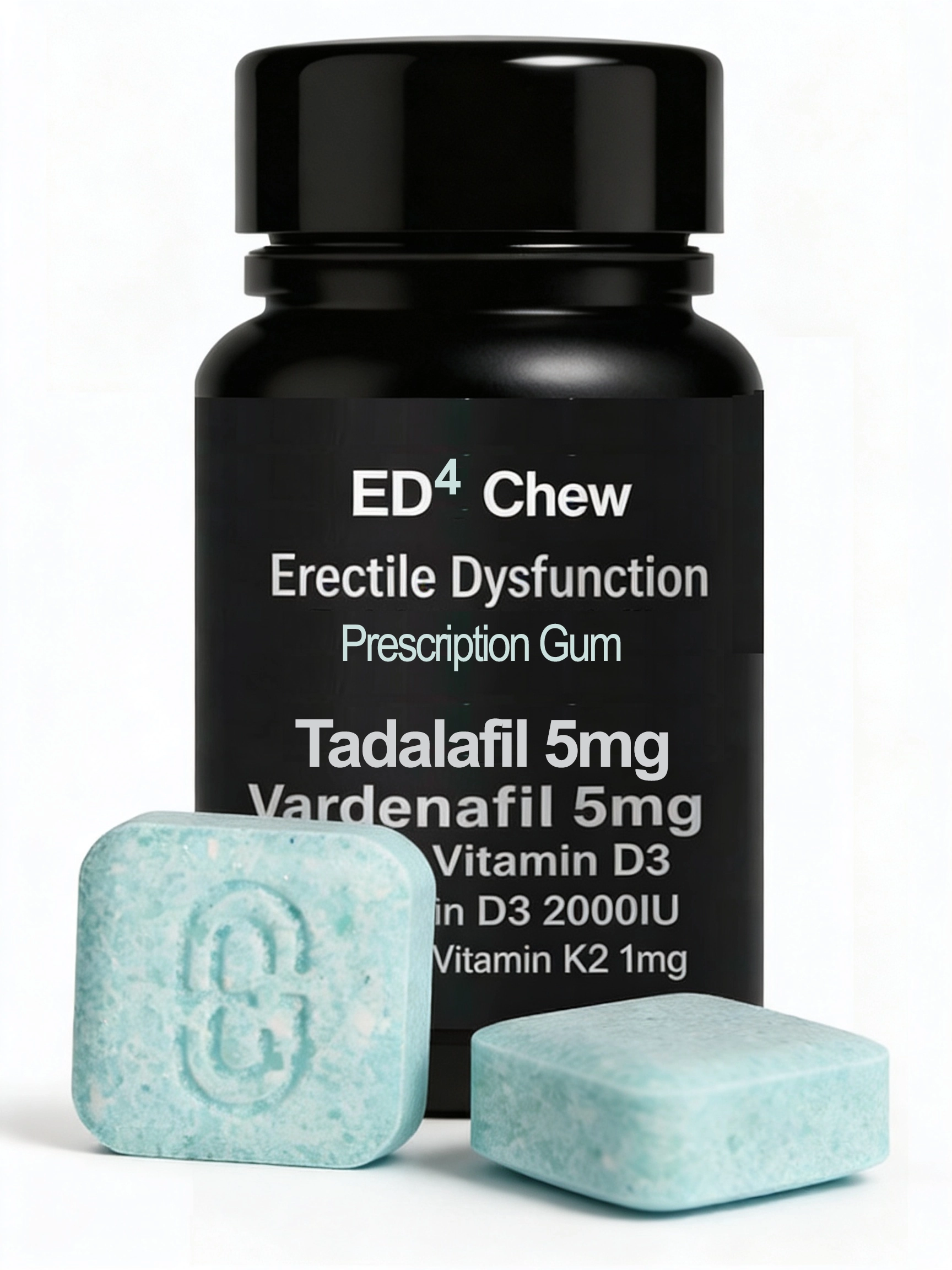
ED4 Chew Gum
Low daily dose for continuous readiness.
- Taken Once Daily
- Continuous Readiness
- Improves Confidence
Generic medications account for 80 to 90 percent of the prescriptions filled in the United States each year. Less expensive than the brand-name drugs for which they are alternatives, generics save American consumers an estimated $4 billion a week, according to the Association for Accessible Medicines, formerly known as the Generic Pharmaceutical Association.
While almost all Americans are aware that generics are more affordable than brand-name drugs, few know much more about these medications and the regulations that govern their manufacture and distribution. From a variety of authoritative sources, we’ve pulled together some basic facts about generics and the important role they play in keeping Americans healthy.
1. Generics Must Be Bioequivalent
Under regulations promulgated by the U.S. Food and Drug Administration, generic drugs must be “identical — or bioequivalent — to a brand-name drug in dosage form, safety, strength, route of administration, quality, performance characteristics, and intended use.” To win approval from the drug regulatory agency, a generic drug must contain the same active ingredient as the brand-name medication for which it has been proposed as a substitute. However, FDA regulations do not require that generics contain the same inactive ingredients as the brand-name drug. These inactive ingredients are generally used as fillers, dyes, preservatives, and flavoring agents. Also considered inactive are drug ingredients that combine with active ingredients to facilitate drug transport in the body.
2. Generics Work as Well as Brand-Name Drugs
Generics work just as well as brand-name drugs, according to the FDA, which cites a study that looked at the results of 38 clinical trials that compared generic cardiovascular drugs with their brand-name counterparts. That study, published in the December 3, 2008, issue of “JAMA,” the official journal of the American Medical Association, found no evidence that the brand-name drugs outperform their generic counterparts.
3. Generics Are 80-85% Cheaper
While it is widely recognized that generics are less expensive than their brand-name counterparts, the magnitude of the price differential is less known. According to the FDA, generics on average are 80 to 85 percent lower in price than the brand-name drugs for which they substitute.
4. Generic Launch Costs Are Much Lower
The cost of launching a brand-name drug is extremely high. So-called innovator drugmakers spend vast sums of money during the research and development phase to come up with a medication to serve a specific pharmaceutical need. Clinical testing to prove the proposed drug’s efficacy and safety is also extremely expensive. If the drug wins FDA approval, its developer must then spend millions to market the medication. Because of these major expenses, the drugmaker is given patent protection, during which time no generic formulations of the drug can be marketed. During this period of market exclusivity, the drugmaker puts a high price on its product in an attempt to recoup most of the investment it has made in developing and marketing the drug. By contrast, the cost of launching generic drugs is far lower.
5. Generics Undergo Less Rigorous Testing
To win FDA approval to market a brand-name drug, the drug’s developer must conduct extensive clinical trials to demonstrate that the proposed medication is both effective and safe when used for its proposed purpose. In an overview of generic drugs posted at DrOz.com, Tod Cooperman, M.D., president of ConsumerLab.com, notes that the only human test required for generics is the so-called bioequivalence test. That test, conducted by the generic manufacturer in a handful of healthy individuals, is designed to confirm that the generic delivers roughly the same amount of active ingredient into your bloodstream and at approximately the same rate.
6. Generics Don’t Look Like Brand-Name Drugs
As previously noted, FDA regulations require that generic drugs contain the same active ingredients as their brand-name equivalents. However, the generic’s inactive ingredients need not be the same as those in the brand-name drug. Because inactive ingredients include filler materials and coloring agents, generic drugs often look nothing like the brand-name drugs for which they substitute.

Some skeptics argue that differences in the rates at which generic and brand-name medications are absorbed can render the generics less effective and safe than the brand-name drugs. According to WebMD.com, most scientists believe that “a 20% difference in the way a drug is absorbed is acceptable,” although some naysayers contend that’s too great a variation. To answer such concerns, the FDA conducted two large studies to pinpoint the average variation in absorption rate between brand-name and generic drugs. The studies found that the average variation was 3.5 percent, a difference comparable to what might be expected “even between two separate batches of the same brand-name or generic drug,” according to WebMD.
8. Generic Viagra Due in December 2017
Generic Viagra won’t come to market in the United States until December 2017. In the meantime, consumers eager for less expensive alternatives to the little blue pill would be well advised to ignore online offers of “genuine generic Viagra.” These almost certainly are counterfeit drugs and could be hazardous to your health, not to mention their impact on your wallet.
If you would like to stay abreast of the latest developments on the consumer health front, check out our blog.

We specialize in providing our over 1,000,000 customers with relevant product and condition information created by our professional editorial staff which includes our team of medical writers, medical practitioners, and health educators. eDrugStore.com Staff on Facebook