


Restore Your Testosterone. Energy. Strength. Vitality.
Doctor-prescribed testosterone support delivered discreetly to your door.
Physicians
Private
Delivery

Sermorelin Acetate
Peptide therapy to support natural hormone production.
- Supports Natural HGH
- Boosts Energy & Recovery
- Physician-Prescribed

Enclomiphene Flex-Dose
Raises natural testosterone without shutting down production.
- Boosts Natural Testosterone
- Preserves Fertility
- Flexible Daily Dosing

DHEA Testosterone Support
Foundational hormone support for energy and drive.
- Supports Healthy Hormones
- Improves Energy & Mood
- Once-Daily Capsule
Effective ED Treatment. Private. Convenient. Trusted.
Doctor-prescribed ED medication delivered discreetly to your door.
Physicians
Private
Delivery

ED3 Max Dissolvable ED Pills
Long-lasting results up to 36 hours.
- Up to 36 Hour Window
- Improved Confidence
- Works When You Need It

Sildenafil 25mg
Proven effective treatment.
- Starts Working in 30–60 Min
- Effective, As Needed
- Trusted & Reliable
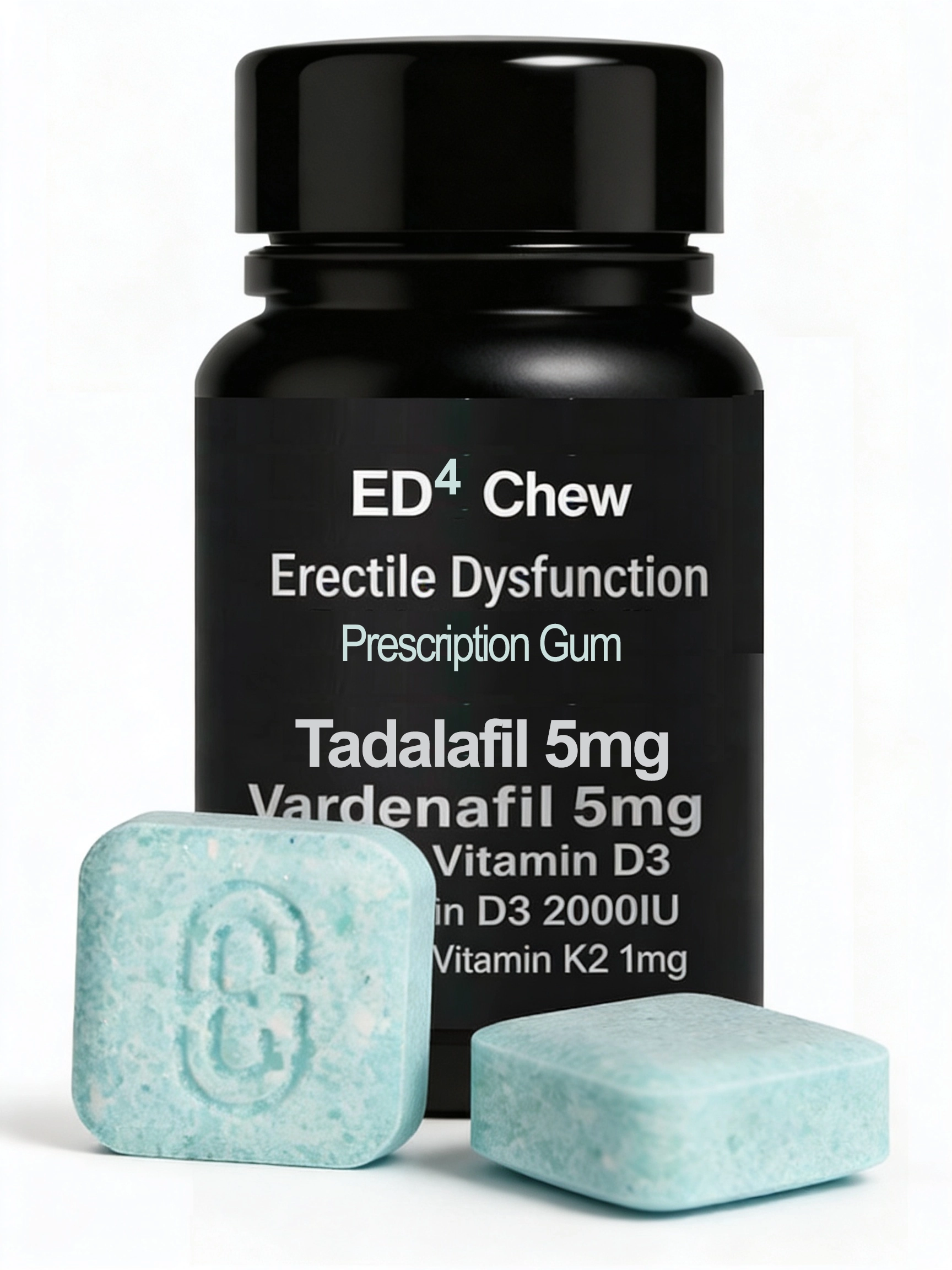
ED4 Chew Gum
Low daily dose for continuous readiness.
- Taken Once Daily
- Continuous Readiness
- Improves Confidence

As most people know, testosterone is the primary sex hormone in males. Despite the very important role it plays in men — and to a lesser extent in women — the sex hormone’s complex nature is less widely understood. Here are the answers to some of the most frequently asked questions about testosterone.
Where Is the Hormone Produced?
In men, testosterone is produced in the testicles and also in the adrenal glands, while in females, smaller amounts of the hormone are produced in the ovaries, as well as the adrenal glands. In females, the ovaries continue to produce testosterone, although at reduced levels, after menopause. Women who have their ovaries removed are likely to suffer from testosterone deficiency and the symptoms associated with such a deficiency.
As with all sex hormones, including estrogen in women, testosterone is synthesized from cholesterol. Its immediate chemical precursor is an endogenous steroid hormone known as dehydroepiandrosterone, or DHEA.
What Are Testosterone’s Primary Functions in Males?
By helping to determine the gender of a fetus, testosterone is important in prenatal development. It also regulates the development of physical characteristics associated with males. In male infants, the hormone controls the “brain masculinization” that establishes mental distinctions between young males and young females. As young boys approach adolescence, testosterone is associated with the appearance of pubic hair, hair on the upper lip, and underarm hair. Testosterone also plays a role in bone maturation, which triggers a growth spurt in males on the cusp of adolescence.
The T hormone also controls many of the physical changes that young males undergo during adolescence. Muscle bulk increases, shoulders broaden, the voice deepens, and facial features take on a more defined character as baby fat melts away.
In adult males, testosterone regulates sperm development and sex drive. Abnormally low levels of the hormone can cause a decline in sex drive. Testosterone also increases energy metabolism, which helps men to shed excess pounds, reduce levels of body fat, and acquire a leaner and fitter physique.

As in men, testosterone contributes to sexual desire in women. When testosterone levels are too low, the female sex drive declines. But the hormone also helps to enhance the physical enjoyment of the female sexual experience. It controls the sensitivity of female nipples and the clitoris. Testosterone also contributes to a woman’s sense of well-being and her energy level. And as it does in men, the hormone helps to keep bones strong and also contributes to the development of lean muscle mass.
How Do Adult Testosterone Levels Differ Between Men and Women?
Because testosterone is the primary male sex hormone, its levels are far higher in men than in women. While average T-levels in adult men range from a low of 270 to a high of 1070 nanograms per deciliter of blood, levels of the hormone in women run from 15 to 70 nanograms per deciliter, only 5.5 to 6.5 percent of the levels of testosterone in men.
When and Why Do Testosterone Levels Decline?
In men, testosterone levels tend to peak at about age 30 and decline by roughly one percentage point per year thereafter. In women, T-levels decline by 50 percent or more with the onset of perimenopause and menopause. As noted earlier, a woman’s ovaries will continue to produce reduced levels of the hormone after menopause. Hysterectomy — with or without removal of the ovaries — will further decrease testosterone levels in a woman, as will high stress levels.
From What Hormone Did Testosterone Originate?
Testosterone, as well as other sex hormones, developed more than 500 million years ago, even before the emergence of vertebrate animals. Despite its close association with male sexual characteristics, the hormone owes its very existence to pregnenolone, widely considered the “mother” of all steroid hormones. Pregnenolone is a precursor to DHEA, progesterone, estrogen, testosterone, and cortisol.
What Are the Symptoms of Low Testosterone Levels?
Because of its close association with sex drive, one of the most widely seen symptoms of abnormally low testosterone levels in both men and women is a loss of interest in and desire for sex. Other symptoms of low T-levels in men can include erectile dysfunction, profound fatigue and low energy levels, hair loss, decreased muscle mass, depression, difficulty in concentrating, irritability, and decreased feelings of well-being.
Should All Men Take Testosterone Replacement?
Absolutely not. As previously noted, normal T-levels in men range widely from a low of 270 to 1070 nanograms per deciliter. Many men at the low end of the scale enjoy normal sex drives and optimal male sexual function. However, some whose T-levels decline below normal levels might need hormone replacement therapy to restore normal energy levels and a normal sex drive. In an article posted at DoctorOz.com, New York City urologist, Harry Fisch, M.D., writes that no man should take T-replacement therapy unless tests confirm that he has abnormally low testosterone levels and also is suffering from symptoms of low T-levels.

Although oral testosterone supplements are available, they are one of the least popular modes of replacement therapy. According to WebMD.com, some experts believe that oral testosterone medications can damage the liver and for that reason they prescribe other methods that bypass the liver and thus avoid such damage. Other forms of testosterone replacement therapy include transdermal skin patches, which are worn on the arm or upper body, and oral patches, which stick to the upper gums and slowly release the hormone through the oral tissues and into the bloodstream. Also available are T-replacement gels applied to the skin, as well as injections and implants. The hormone can be injected directly into muscle tissue or implanted in pellet form in soft tissues.
How Does a Man’s Body React to T-Replacement Therapy?
According to Dr. Fisch, it is not widely known that one possible consequence of testosterone replacement therapy is a shutdown of the patient’s natural production of the hormone. The patient’s testosterone-producing cells may stop working, and his testicles might soften and shrink. Equally problematic, says Dr. Fisch, is a sudden discontinuation of T-replacement therapy. Withdrawal symptoms can include low sex drive and energy, irritability, and depression.
What Can Be Done to Ease Symptoms of T-Replacement Withdrawal?
For men considering discontinuing traditional T-replacement therapy, Dr. Fisch recommends that they talk to their doctors about using clomiphene citrate to ease the withdrawal symptoms. The medication, also sold under the brand names Clomid or Serophene, stimulates the production of two key hormones, follicle-stimulating hormone, or FSH, and luteinizing hormone, or LH. FSH stimulates sperm production in the testicles, while LH stimulates testosterone production, both of which significantly decrease the adverse symptoms of T-replacement therapy withdrawal.
If you’d like to read more about sexual health and function, as well as other topics of interest to health consumers, check out our blog.

We specialize in providing our over 1,000,000 customers with relevant product and condition information created by our professional editorial staff which includes our team of medical writers, medical practitioners, and health educators. eDrugStore.com Staff on Facebook