


Google has recently been in the news, and not in the way it usually enjoys: it’s being investigated for its role in allowing fraudulent online pharmacies to advertise on its Google Ads network. Since websites are on the hook for the behavior of sites they accept advertising from, Google is in some serious trouble: it’s being investigated by the Department of Justice, and their executives are so certain that the probe will reflect badly on them that they’ve set aside $500 million for potential settlements.
Five hundred million dollars is a heart-stopping number for any company, even a behemoth like Google, currently valued at $167 billion. It’s especially problematic because it speaks to issues with how Google sells advertising: 96% of its online business revenue. So Google will need to take steps…but which ones?
In the short term, it will certainly tighten its verification process: businesses, including pharmacies, will no doubt need to verify their legitimacy with several different groups before Google will do business with them. But that’s not going to slow down criminals for long: counterfeit medication rakes in billions for organized crime syndicates and other criminals, and the vast majority of their targets come from the Internet. They’re going to do their best to get around Google’s safeguards, by any means necessary.
So what else might Google do? The most drastic solution is to simply ban online pharmacies from advertising altogether, regardless of their legitimacy. It would certainly keep Google from being investigated by the Department of Justice, but it would probably open a new legal can of worms, as Google will likely be taken to court by legitimate businesses demanding access to Google’s huge audience. The free speech laws, especially international ones, are unclear, to say the least: doing this would mean Google is exploring some murky, ill-thought-out waters.
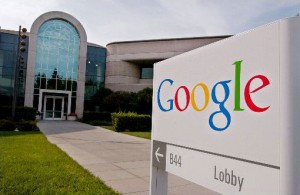
Another solution might be to simply ratchet up the requirements so high that only the biggest pharmacies can pass the checks and buy the ads. This might well be the solution: it’s easier to do, and less likely to trigger a legal suit. It also avoids the international ramifications.
Finally, it might simply restrict advertising to the pharmacy’s country of origin. For example, a Canadian pharmacy could buy as many Google ads as it likes, but it will only be seen by Canadian IP addresses. This might actually be the most effective method: even the best gangster shell company can’t stand up against restrictions like that.
One thing Google will almost certainly do is work with other online companies to find and shut out these illegal operations. In fact, Google’s top executives were at the White House with other high-tech stars doing precisely that on the day the Justice Department announced its probe. Not the best timing, but perhaps an illustration of how Google intends to keep its money in its coffers and not distributed by courts.
Either way, we’ll need to see how the settlement goes, but one thing is for certain: the easy days of criminals selling bad medicine to the elderly and the uninsured are coming to a rapid end, and we’re all better for it.

We specialize in providing our over 1,000,000 customers with relevant product and condition information created by our professional editorial staff which includes our team of medical writers, medical practitioners, and health educators. eDrugStore.com Staff on Facebook