

 A report written for the Rudd Center for Food Policy and Obesity at Yale University argues that the branding of low-nutrition snacks with popular cartoon characters poses a health risk for children, especially those in the preschool through kindergarten age group. This is based on research done in four child-care facilities throughout the city of New Haven.
The researchers, led by Yale graduate student Christina Roberto, gave forty ethnically diverse children ages four through six three different types of snacks: gummy fruit snacks, graham crackers, and carrots.
In each case, the snacks were delivered in a clear plastic package. However, half of the snacks were also branded with stickers depicting popular cartoon characters such as Dora the Explorer, Scooby Doo, and Shrek.
In the cases of the graham crackers and the gummy fruit snacks, the majority of the children reported that they thought the snacks in the branded packaging tasted better. An even greater majority said that they would rather have the branded snacks over the snacks in blank packaging when given the choice.
However, the researchers found that the children only found the branded carrots to be slightly more appealing than the unbranded carrots, indicating that cartoon character branding may not be as effective on healthy foods. The researchers surmised that this may simply be because children are more used to seeing sugary foods endorsed by cartoon characters than healthy ones. The report states that further research needs to be done in order to see if brand specific cartoon characters (such as Tony the Tiger) are as potent at affecting children’s tastes as established characters that are a part of their everyday lives such as Sponge Bob and Dora the Explorer.
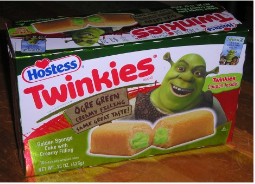 The policy recommendation given by the report is that the federal government begin regulating the use of cartoon characters on food packaging. The government should, it argues, disallow the use of cartoon characters on high-energy, low-nutrition foods such as candies and cookies, while encouraging the use of cartoon characters on health foods such as fruits and vegetables. The report points to the regulation of cartoon characters in the tobacco industry as a relevant precedent. It also notes that regulation of cartoon characters on food items is already taking place in the United Kingdom.
While most people agree that something needs to be done to alter the diet choices of children in America, some critics feel that the ultimate choice should be left in the hands of parents, not the government. For example, Keith Thomas Ayoob, a professor of pediatrics at Albert Einstein College of Medicine believes that the government should not restrict the use of cartoon characters on food packaging. In fact, he has worked with Disney to encourage them to place cartoon characters only on the healthier foods for sale in their amusement parks, an example of the type of change argued for in the report, but effected without government intervention.

We specialize in providing our over 1,000,000 customers with relevant product and condition information created by our professional editorial staff which includes our team of medical writers, medical practitioners, and health educators. eDrugStore.com Staff on Facebook