

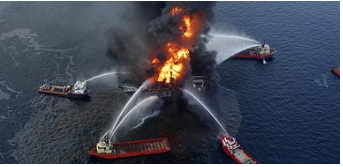
 As oil continues to spew from the rig in the Gulf of Mexico, many people are becoming concerned with the possible human health effects of the oil spill.
The oil has washed ashore in several states, prompting many questions from citizens living in the Southeast.
There is wide consensus in the medical field with regard to the following:
• Temporary exposure to crude oil on the external skin is generally not very harmful if washed off within a short period of time.
• Temporary exposure to crude oil within a short distance of a person is generally not harmful.
• Swallowing less than a coffee cup of oil can cause vomiting and diarrhea, but this would likely not have long-lasting effects.
• Oil loses its toxicity over time, which means most of the toxic chemicals that are harmful (and make their way into gasoline, such as benzene) evaporate on the surface by the time they reach shore.
• Longer exposure to crude oil on the skin can result in redness, swelling or burning or eventually worse conditions such as cancer.
• Inhalation of vapors (from wind-blown waves for example) can cause headaches, dizziness, nausea, vomiting, irritation of the eyes and throat, and difficulty breathing.
• Those at the greatest risk for suffering symptoms to the oil are those with asthma or  lung disease, as well as children and the elderly. These people should take great care not to expose themselves to areas where the crude oil may be present. Pregnant women could also experience difficulties due to the crude oil, and should avoid it.
• The specific group of people at the greatest risk for longer-term exposure and potential health effects are the more than 20,000 workers who have been dispatched to the Gulf to help with the clean-up. Following the clean-up efforts of the Exxon Valdez in Alaska in 1989, an estimated 5,600 visits were made by clean-up workers who complained of upper respiratory symptoms. Long-term exposure to crude oil requires protective devices and other precautions.
So far, 70 people in five states have reported health concerns to poison control centers, and 60 people reported health issues to the Louisiana Department of Health and Hospitals.
One common health concern in the U.S. is the effect that the oil spill will have on the safety of the food supply. Many wonder if shellfish and other ocean fare could become contaminated and therefore cause widespread health issues among the public.
The Health and Human Services Department states that no contaminated product has made its way to store shelves, but federal and state agencies have pledged to monitor and close areas of contaminated water to fishing and shellfish harvesting. This is an issue that will need to be monitored closely.

We specialize in providing our over 1,000,000 customers with relevant product and condition information created by our professional editorial staff which includes our team of medical writers, medical practitioners, and health educators. eDrugStore.com Staff on Facebook