

Fake Avastin reaches US from Britain through Turkey. But the FDA is cracking down, tracking shipping patterns for these fake cancer drugs. — Click to Tweet.
In April, 2012 a shipment of counterfeit Avastin was found to have reached the US through Middle Eastern shipping routes. Just a few months before, another shipment had been found, with the first headlines hitting papers in February.
The FDA immediately realized there were vulnerabilities in the global medical supply chain, and patients were at risk. The Medicines and Healthcare products Regulatory Agency of Britain (MHRA) jumped in, working with the US to identify how the counterfeits were entering Britain.
Finding the Culprits
Eventually, the supply chain was tracked to a British firm called River East Supplies, which exported direct to US markets. Richard’s Pharma was another firm involved in the scandal.
River East had already been involved in the previous fake Avastin incident. The two companies — Richard’s Pharma and River East — were located in Warwick and Nottingham, respectively, and each had no one available for comment.
The scrutiny brought to our supply chain by these cases was important, however, as it underscored that we lacked a clear system for tracking medicine as they changed hands. It also pointed out that drug counterfeiters are bringing a game changer, as they’ve focused on simple pills in the past.
Avastin, however is much more complicated. It’s an injectable biotech drug that sells over $6 billion each year.
Dangerous or Just Ineffective?
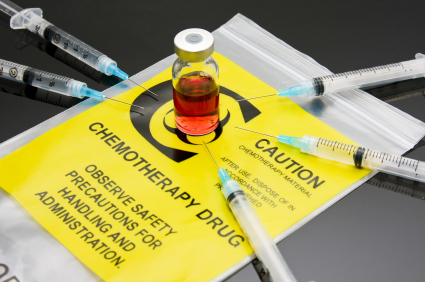
The FDA said this batch of fake Avastin, marketed as the Turkish brand Altuzan, was missing the active ingredient bevacizumab. Although it wasn’t likely to be dangerous in itself, patients who took it would be missing their cancer treatments, which is definitely not healthy.
Fortunately, the World Health Organization estimates that most patients have little to worry about. According to the WHO, less than one percent of medicines in the developed world are counterfeit. Globally, the number is riskier, at about 10 percent. And in some nations, as much as a third of the medicines being sold are fake.

We specialize in providing our over 1,000,000 customers with relevant product and condition information created by our professional editorial staff which includes our team of medical writers, medical practitioners, and health educators. eDrugStore.com Staff on Facebook