

As you may have noticed, it’s been a hot year. With summer officially winded down, autumn has started to cool things off for us, but it’s still blazing out there in several parts of the country.
So far, every month this year has seen above average temperatures in the US, making this year the hottest one on record. Records began 117 years, so that’s really saying something.
Possible Cause
Climate scientists in the US have remarked on how this last hot spell has been severely prolonged, but many have declined to attribute it to a specific cause. Jake Crouch is one 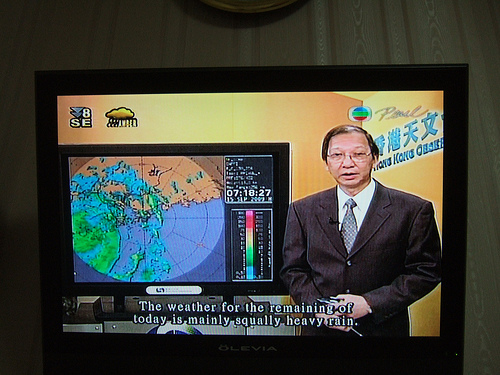 scientists from the National Climate Data Center who has confirmed the record heat, but he hasn’t spoken as to what may be causing it.
It’s natural to wonder whether human-caused climate change might be playing a role here. Sure, some people are still skeptical about its existence. And yes, it’s true that the Earth has undergone periodic climate change as a natural part of it’s geological life cycle, but this kind of warmth is typical of what scientists who believe in climate change have predicted.
High-to-Low Ratios
One way of confirming whether it’s just been a really hot year or not is just to look at the ratio of record highs to record lows. In cases where the weather is extreme for a year, it tends to be extreme in both directions. The record highs and record lows balance out, achieving a ratio of one to one.
But this year, over 38 states have incredibly high ratios, with the minimum being 10 to one. Ohio was the worst, with 49 record high temperatures for every record low.
Droughts Accompany High Heat
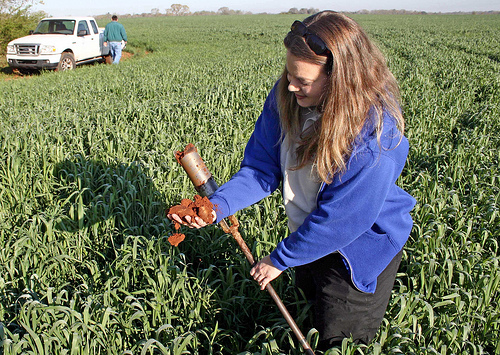
Unfortunately, there have been widespread droughts to accompany these high temperatures, which has almost certainly affected agriculture in the US. As of August 28th, 63 percent of the continental United States were under drought, with the midwest being hit particularly hard.
Outside the Lower Forty-Eight
Unfortunately Alaska hasn’t escaped the effects of the heat either, with Arctic sea ice experiencing a forty-five percent reduction since the 1980’s and 1990’s. Currently, sea ice
around Alaska has shrunk to a record low, and it’s not the end of the melting season either.
Conclusion
Scientists have been warning for a long time that conditions will gradually get worse concerning global warming. This is either an odd coincidence, or it’s a sign that our actions are catching up with us. Either way, it will be interesting to see reports from scientific research over the next few years.

We specialize in providing our over 1,000,000 customers with relevant product and condition information created by our professional editorial staff which includes our team of medical writers, medical practitioners, and health educators. eDrugStore.com Staff on Facebook