

Reach Your Goal Weight. Prescribed. Proven. Private.
Doctor-prescribed GLP-1 weight loss treatments delivered discreetly to your door.
Physicians
Private
Delivery
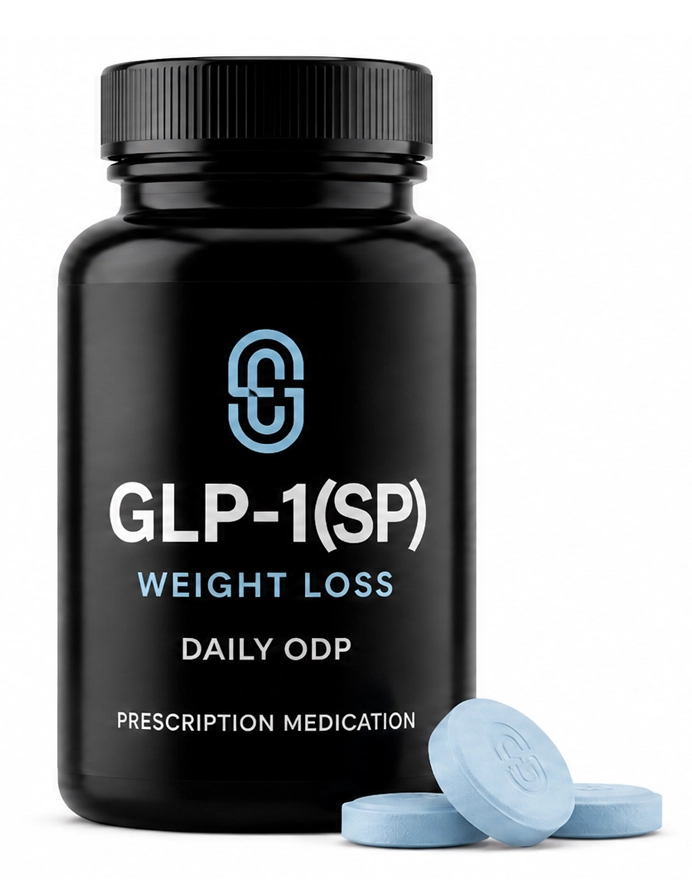
GLP SP 2mg
Daily dissolvable GLP-1 to curb appetite and drop weight.
- Curbs Appetite
- Daily Dissolvable Tablet
- Steady, Lasting Results

GLP T 3mg
Dual-action GLP-1 for stronger appetite control.
- Dual-Action Formula
- Daily Dissolvable Tablet
- Maximum Appetite Control

Berberine with Ceylon Cinnamon
Natural metabolic support for blood sugar and weight.
- Supports Healthy Metabolism
- Balances Blood Sugar
- Once-Daily Tablet
October 29, 2010
By Brian Bujdos
Vivus, the manufacturer of weight-loss drug Qnexa, has renewed hope that the drug can be approved by the U.S. Food and Drug Administration (FDA) by as early as next year.
The FDA denied Qnexa’s entry into the market in July. The FDA does not publicly state why a drug is approved or denied. However, the reasons for Qnexa’s denial are easy to figure out based upon the additional information the FDA has now asked Vivus to provide regarding Qnexa.
The FDA seeks to ensure the drug’s tendency to increase heart rates (reportedly 1.5 beats per minute) does not increase the risk of major cardiovascular events such as a heart attack or stroke. The FDA is also concerned about potential birth defects with Qnexa. Although the FDA requested more information in these areas, it did not ask for additional clinical testing at this time.
 Qnexa is a combination of two FDA-approved drugs: Topamax, an epilepsy drug generically known as topiramate, and the stimulant phentermine. Topiramate has been shown to cause birth defects in some cases, but the dosage of the drug that exists in Qnexa is much smaller.
Currently there is only one FDA-approved, long-term weight-loss drug on the market – Xenical. Although many drug companies have attempted to introduce a new weight loss product in the last several years (Arena Pharmaceutical’s lorcaserin drug was rejected by the FDA just last week due to safety concerns and only moderate effectiveness), the overweight American public could sorely use an effective weight-loss drug that is safe.
And it appears that could potentially be what Vivus has on its hands. Clinical trials for Qnexa indicated that patients on the highest dose of the drug lost about 26 pounds, or an average of about 11 percent of their weight. Those who took a placebo lost less than two percent of their body weight.
Pharmaceutical analysts stated that, although the FDA was very concise with the information it seeks to review, this does preclude it from requesting further clinical trials for Qnexa if its concerns regarding the drug are not alleviated. Vivus stated that it will provide the requested information to the FDA within six weeks. The FDA should then take about two weeks to provide its response to Vivus, the company said.
 Earlier this month, Abbott Laboratories (ABT) removed its weight-loss drug Meridia from the U.S. market after 13 years of availability. The FDA decided that the drug’s heart risks outweighed its modest benefit.
One consultant to the pharmaceutical companies said the FDA has placed itself in a predicament where it doesn’t want to approve a very effective weight-loss drug for fear of unanticipated side effects, yet less effective drugs are not worth any risk. The FDA is surely trying to avoid a relapse of the popular fen-phen diet combination that was removed from the U.S. market in 1997 because it damaged heart valves. That debacle resulted in huge legal settlements.
Analysts with medical backgrounds and financial backgrounds both agree on one thing: if Qnexa is ultimately denied by the FDA, pharmaceutical companies will abandon many of their efforts to bring a weight-loss drug to market. If that happens, the next generation of weight-loss medications may not come in pill form, but rather as injections of synthetic versions of hormones the body already uses to control weight.
About a third of the U.S. population is obese, and approximately another third is overweight.
Read more health news articles on eDrugstore.com.

We specialize in providing our over 1,000,000 customers with relevant product and condition information created by our professional editorial staff which includes our team of medical writers, medical practitioners, and health educators. eDrugStore.com Staff on Facebook