
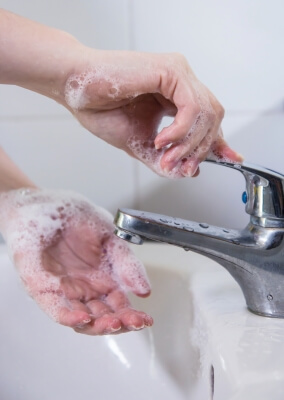

A coalition of researchers funded by the EU are investigating the idea of “hygiene hypothesis,” which posits that being too clean can lead to disease. The project, dubbed “Diabimmune,” is specifically considering the hypothesis in relation to diabetes and allergic reactions.
The official hygiene hypothesis website defines the concept as: “Our bodies are ecosystems that have been damaged by a rapid reduction in number and variety of microorganisms that populate our bodies and immediate environment. That alteration of those environments has been so rapid in genetic terms that we have not had time to adapt, and the consequence is the rise of autoimmune diseases and immunological disorders.”
For the Diabimmune project, researchers studied about 2,000 children between the ages of three and five years old and about 300 babies who are up to three months old. For the study, researchers instructed the parents of the children to respond to an extensive questionnaire covering the child’s home environment, contact with animals, diet, and family predisposition to immune related diseases, such as allergies. Additionally, the children were subjected to a variety of tests, such as blood and stool samples. The researchers even went as far as recording the amount of dust under the child’s beds.
Because this study is the first of it’s size and scope, the researchers now need to carefully analyze the data before making any proclamations. Should the project manage to find the bacteria they are looking for, this could open the prospect of developing preventative therapies.

Evan Hopkins is a 24 year old writer operating out of Atlanta, GA. When he isn’t writing, he enjoys reading books, drinking coffee, and folk music.