


Effective ED Treatment. Private. Convenient. Trusted.
Doctor-prescribed ED medication delivered discreetly to your door.
Physicians
Private
Delivery

ED3 Max Dissolvable ED Pills
Long-lasting results up to 36 hours.
- Up to 36 Hour Window
- Improved Confidence
- Works When You Need It

Sildenafil 25mg
Proven effective treatment.
- Starts Working in 30–60 Min
- Effective, As Needed
- Trusted & Reliable
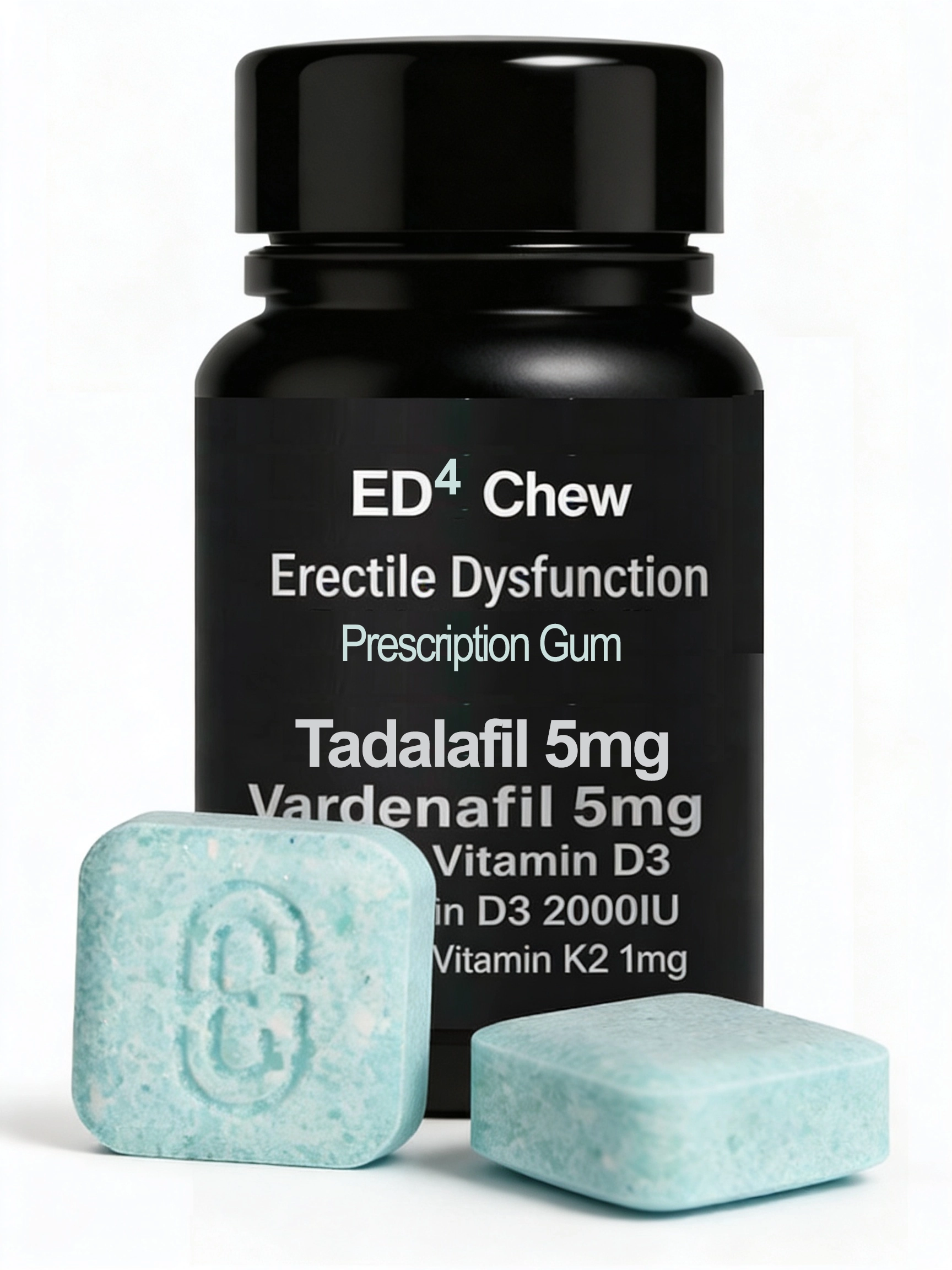
ED4 Chew Gum
Low daily dose for continuous readiness.
- Taken Once Daily
- Continuous Readiness
- Improves Confidence
When it comes to COVID-19 and diabetes, the studies are clear: you are at a greater risk of developing serious complications. Most of the people hospitalized for COVID-19 in the United States had at least one additional health condition, with diabetes ranking near the top.
Diabetic men are also more likely to develop erectile dysfunction (ED) compared to men who do not have diabetes. Good diabetes management and lifestyle changes may improve your general immunity, protecting you against COVID-19 and improving your sexual health. Read below to learn more about COVID-19, diabetes, and how this all ties into erectile health.
COVID-19: An Unprecedented Health Crisis
As of mid-May 2020, there have been almost 1.5 million recorded infections, with more than 88,000 deaths. Statistics show a downward trend, but the numbers are still very high. The epidemiological situation is far from stable at this point, but many states are opening their economies again (e.g. Montana and Texas).
Who is at risk? When it comes to COVID-19, everyone’s at risk. The virus does not differentiate by age, gender or health status. Some factors may, however, increase your chances of complications, such as age. The number of fatalities is the highest in adults over 55 years old.
What increases COVID-19 risk? Having comorbidities, meaning more than one chronic health condition, is associated both with contracting COVID-19 and how well one recovers. For example, in Utah, over half of all patients who were hospitalized in connection with COVID-19 suffered from at least one other health condition. Roughly 25% of those patients had diabetes.
A recent study revealed that almost all patients who required hospitalization in the NYC area had some kind of preexisting condition.
Among the most common comorbidities seen in COVID-19 patients were:
- hypertension
- obesity
- diabetes

Diabetes and COVID-19: What’s the Connection?
Experts link diabetics’ high blood sugar levels with the body’s difficulty to fight off the virus. So, are you at a higher risk of contracting COVID-19 as a diabetic? Not necessarily. But your recovery may be more difficult and you may end up in the hospital.
In order to minimize the risk of serious COVID-19 complications, these steps should be taken:
- Check your sugar levels frequently. At least every 6 hours.
- Drink lots of fluids. Ask your doctor how much water should consume daily. Avoid alcohol and sugar-rich sodas.
- Comply with your medication regimen. Consistently adhere to your diabetes medication, whether it is pills or insulin injections.

How Does Diabetes Affect Erectile Function?
There is a clear link between ED and diabetes. Erectile problems start earlier for diabetics than for non-diabetic men. Generally, 35%-75% of men with diabetes experience ED, compared to 26% of the general population. Treating ED may also be more difficult for diabetic men.
Diabetes directly affects erectile health due to:
- Arterial damage
- Comorbidities
- Mental health impacts
Arterial damage. Diabetes can result in damaged nerves and arteries. The latter carry blood throughout the body, including to the penis. Damaged arteries can impact a man’s ability to get an erection.
Comorbidities. People with diabetes may also have other health concerns like high blood pressure, which also negatively impacts erectile functioning.
Mental health impacts. What’s more, diabetics are 2-3x more likely to be depressed. Mental health problems and mood disorders are a major factor in many cases of erectile dysfunction. Further, some medications used to treat depression may also affect erectile function.
If you suffer from ED, pay special attention to certain symptoms as these often forecast diabetes. Talk to your doctor if you regularly experience such issues as:
- Peeing more often than normal
- Feeling thirsty all the time
- Experiencing bouts of hunger
- Feeling extremely tired

How Men with Diabetes Can Tackle ED
Prevention is key. ED doesn’t develop overnight in diabetic men. Observe your symptoms and take preventative measures seriously.
Now is the time to change your lifestyle. Making small changes in your lifestyle may help you reduce the risk of developing diabetes and/or erectile dysfunction. Now is the best time to start! Staying in good health could also increase your chances of a quick recovery should you get infected with COVID-19.
Lifestyle Changes Men Can Make Today:
- Increase physical activity. This could mean walking instead of driving or exploring the vast selection of online fitness videos (many of them offered for free). Also, during lockdown, many in-person fitness classes are online, so it’s the perfect time to start.
- Make small diet changes. Cut your sugar intake, eat more vegetables, and work on drinking more water during the day. Pick one and work to incorporate all three as time goes on.
- Manage your stress. Mental health is related to our immunity. Men who live in excessive stress or suffer from anxiety may be more likely to develop ED. Find a trusted counselor, start meditating, or practice simple breathing techniques.
Regular sex has many benefits, including keeping us healthy and happy. While diabetes and ED can make your intimate life more difficult, there are medications that can help. Make sure to talk to your doctor and get the right medication online. Check out eDrugstore.com to see what’s available.

Anka Grzywacz is a sexologist, reproductive health expert and Certified Sex Coach™. In her online practice she helps busy women and couples solve their intimate problems.