

10 people have died in Karachi, Pakistan due to a water-bound, brain-destroying amoeba known as Naegleria fowleri. — Click to Tweet.
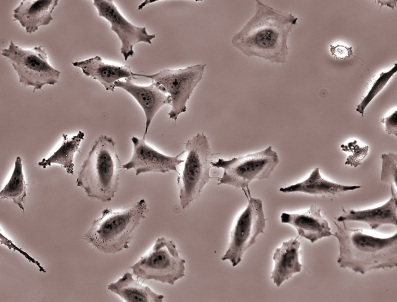
The amoeba has caused panic among the populace because the amoeba is virtually impossible to detect in water. It is also hard to pinpoint in humans, because the only test to determine its presence is through spinal tests.
The Karachi Water and Sewage board is working swiftly to determine the origin of the amoeba, but have thus far been unsuccessful.
Stopping A Possible Epidemic
The recent outbreak of Naegleria fowleri is the second time Pakistan has had to worry about the amoeba.

In 2010, a 54-year-old man was killed by Naegleria fowleri after contracting the amoeba through using tap water in the Islamic procedure of Wudu, which is washing the body in preparation for prayer. A central part of Wudu is cleansing the nasal passages using water, and Naegleria fowleri commonly enters the body through the nasal passages. Of the ten victims, only one had visited a swimming pool, leading authorities to believe that most contracted the amoeba through Wudu.
The Karachi Water and Sewage Board has vowed to increase the chlorine content in the city’s water supply in hopes of killing the amoeba before it can become widespread. The board maintains that residents of the Karachi will be safe as long as people take special care when brushing teeth or performing Wudu.
How Rare Is It?
Officials stress that there’s no need to panic over this disease, as the chances of it spreading are remote. Only 32 people in the United States have been struck by it from 2002 to 2011. Furthermore, risk can be almost eliminated by not swimming in freshwater and not making use of neti pots or other nasal irrigation.

We specialize in providing our over 1,000,000 customers with relevant product and condition information created by our professional editorial staff which includes our team of medical writers, medical practitioners, and health educators. eDrugStore.com Staff on Facebook