


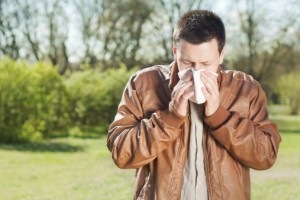
Been sneezing a lot lately? Are your eyes red and watering, and is your nose running? Coughing more than usual too? It may not be a cold coming on but instead the beginning of seasonal allergy season.
Seasonal allergies, sometime called hay fever, are medically grouped under the heading of allergic rhinitis. Hay fever is a double misnomer since hay very rarely causes allergic rhinitis symptoms, and fever is not one of those symptoms.
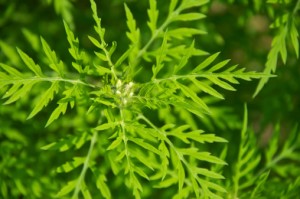
In the minds of most seasonal allergy sufferers, ragweed — or more specifically its pollen — is the cause of all this misery. While it’s true that ragweed pollen is one of the allergens that triggers the symptoms of seasonal allergies, it is only one of many.
Indoors and Outdoors
These allergens are present both outdoors and indoors. Worse yet, if you’re particularly sensitive to some of the common indoor allergens, the seasonal nature of these allergies goes away, and you’re likely to suffer from these annoying symptoms year-round.
Among the most troublesome outdoor allergens, MayoClinic.com lists tree pollen, which is most common in the spring; the spores from fungi and molds, which tend to be most irritating during warm weather months; grass pollen, most common in late spring and summer; and ragweed pollen, most common in the fall.
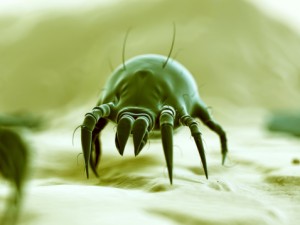
Sadly, if you’re sensitive to allergens generally, locking yourself away inside your home may not put an end to your suffering. Indoor allergens likely to trigger allergic rhinitis include dust mites or cockroaches; spores from indoor and outdoor fungi and mold; and dander from pets such as cats, dogs, and birds. Dander encompasses saliva and dried skin flakes shed by your pets.
Peak Times for Outdoor Allergens
Seasonal allergies triggered by outdoor allergens tend to peak at certain times of the year, but those times may vary depending on where you live and the growing season in your area.
In the densely populated Middle Atlantic States, according to KidsHealth.org, tree pollen is likely to be most active from February through May. Grass pollination runs from May through June, and weed pollen — especially ragweed pollen — is at its worst from August through October. Mold spores tend to peak from midsummer through the fall, according to KidsHealth, which is a service of Nemours, a nonprofit organization dedicated to children’s health.
Some people may pass through early adulthood with barely a sneeze triggered by pollen or mold spores but then begin to develop greater sensitivity to these allergens as they grow older. The Asthma and Allergy Foundation of America estimates that 40 million Americans suffer from some form of seasonal or perennial allergy, depending on whether their symptoms are triggered by outdoor allergens, indoor allergens, or both.
No Cures Available
While there are no cures for seasonal allergies, their symptoms can be managed through treatment and/or proper prevention, which may include measures to reduce your exposure to known allergens.
Among the primary risk factors for seasonal allergies are a history of other allergies or asthma, living or working in an environment that exposes you to known allergens, and having a blood relative who suffers from allergies or asthma, according to MayoClinic.
On the matter of the genetic component involved in seasonal allergy risk, AAFA says that if only one parent has an allergy, the chances are one in three that each child of that parent will develop an allergy. If both parents have allergies, the risk factor for children developing an allergy jumps to about 70 percent.
Symptoms Vary
Seasonal allergy symptoms vary in degree depending on your sensitivity to the allergens that are triggering the attack. As previously mentioned, these symptoms typically include sneezing, runny nose, red and watery eyes, and coughing. Among other common symptoms of allergic rhinitis are nasal congestion, itchy eyes, sinus pressure and facial pain, a sensation of itching in the nose and throat and on the roof of the mouth, decreased sense of smell or taste, and swollen, blue-colored skin under the eyes, known as allergic shiners.
While these symptoms are annoying enough on their own, failure to treat your seasonal allergy or reduce exposure to known allergens can lead to further complications, according to MayoClinic. These include infections of the middle ear, known medically as otitis media; difficulty sleeping; sinusitis; and worsening asthma. Severe episodes of seasonal allergy can interfere with your day-to-day activities and reduce your enjoyment of life. In some cases, it may lead to absences from work or school.
Certain Foods Problematic
Eating certain foods can worsen the symptoms of seasonal allergies, according to AAFA. This can lead some allergic rhinitis sufferers to mistakenly assume they’ve developed a food allergy, when in fact they’re suffering from a phenomenon known as oral allergy syndrome, or OAS. As an example, AAFA notes that eating raw apples can cause itching or hives in people with an allergy to birch pollen.
Certain proteins in fruits and vegetables contain proteins that are very similar to those in pollen. When it detects these similar proteins, your immune system reacts as it would if it detected the pollen proteins, setting off a series of unpleasant symptoms.
To avoid the symptoms of OAS, AAFA suggests that those with an allergy to ragweed pollen avoid bananas, cantaloupe, honeydew, and watermelons, as well as tomatoes. Other food items that may cause problems for those allergic to ragweed pollen include chamomile tea, dandelions, echinacea, sunflower seeds, and zucchini.
Birch Pollen Allergies
If you have an allergy to pollen from birch trees, you should probably steer clear of almonds, apples, carrots, celery, cherries, coriander, fennel, hazelnuts, kiwi, parsley, peaches, pears and plums, says AAFA.
If grass pollen triggers allergic symptoms in you, it would be best to avoid celery, melons, oranges, peaches, and tomatoes, according to AAFA.
To pinpoint the allergens that trigger your symptoms of allergic rhinitis, you should consult an allergist who can perform tests to help identify the pollens, molds, and fungi to which you are most sensitive. One or both of two tests is usually performed.
Diagnostic Tests
Your doctor may order a blood test known as the radioallergosorbent test, or RAST. A sample of your blood is sent to a medical laboratory where it can be tested for sensitivity to various allergens. Alternatively, your physician may order a skin prick test, during which tiny amounts of common allergens are pricked into the skin of your arm or upper back. If you are allergic to specific allergens, a raised bump or hive will develop at the site where that substance was injected.
Treatment for seasonal allergies consists in large part of medications designed to reduce the symptoms of allergic rhinitis. Among the types of drugs most widely used are nasal corticosteroids, antihistamines, decongestants, cromolyn sodium, leukotriene modifiers, nasal ipratropium, and oral corticosteroids. Of all these medications, nasal corticosteroids are probably the most widely prescribed.
Buying Medications Online
If you’re searching for an online source for medications to treat your seasonal allergy symptoms, eDrugstore.com offers three of the leading nasal corticosteroids, namely Flonase, Nasacort, and Nasonex.
Based in Tempe, Arizona, eDrugstore.com is part of the Secure Medical family of online drugstores. It sells only FDA-approved medications, all of which are sourced from licensed U.S. pharmacies. If a prescription is needed, eDrugstore can arrange an online consultation with one of its contract physicians.
Don Amerman is a freelance author who writes extensively about a wide array of nutrition and health-related topics.

We specialize in providing our over 1,000,000 customers with relevant product and condition information created by our professional editorial staff which includes our team of medical writers, medical practitioners, and health educators. eDrugStore.com Staff on Facebook