

Because the penis is the single most distinctive male anatomical feature, you might think that men know just about everything there is to know about it and how it works. Sadly, that isn’t always the case. Whether it’s because they’ve been raised in a society that discourages frank discussion of their private parts or just a lack of curiosity, many men are surprisingly uninformed about the penis and erectile function.
In an attempt to fill in some of the gaps in that knowledge, particularly about the mechanics of erection, here are some frequently asked questions about erectile function and ways to ensure that it continues normally for as long as possible.
1. What Are the Key Parts of the Penis?
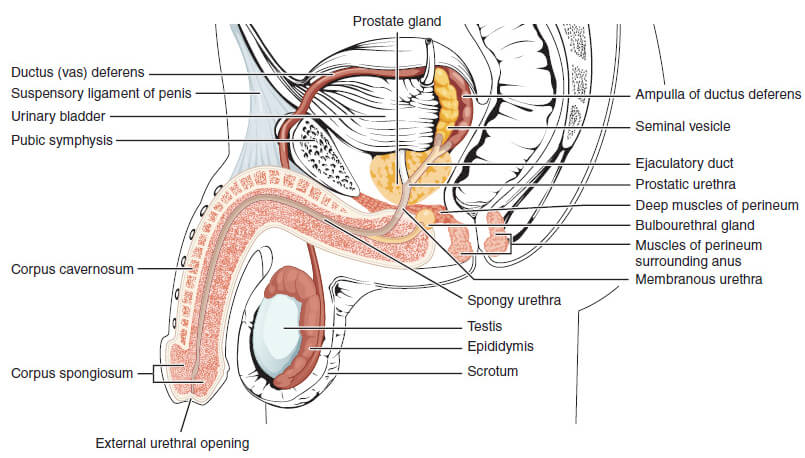
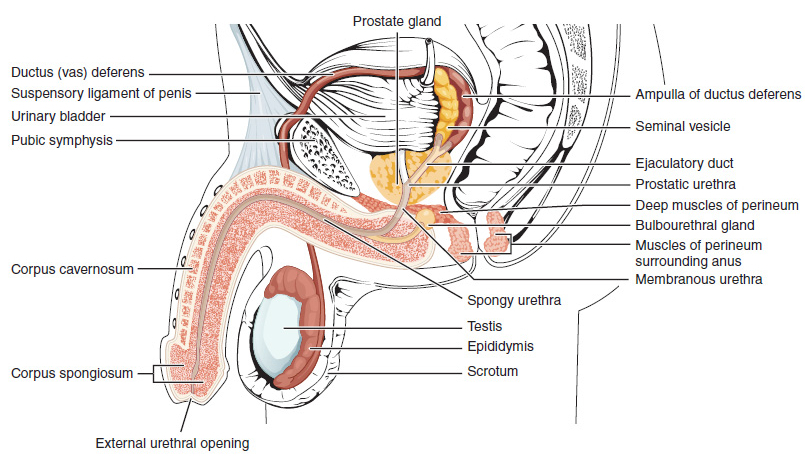
The longest part of the penis is known as the shaft. At its outer end is the glans, also known as the head. The meatus is the opening in the head or glans of the penis through which urine and semen pass from the body. Inside the penis and running pretty much the length of the shaft are two cylindrical chambers known collectively as the corpora cavernosa (or corpus cavernosum, individually). Within these chambers are spongy erectile tissue, blood vessels, and open pockets.
Underneath the corpora cavernosa is the urethra, the tube through which urine and semen pass. Surrounding the urethra is an area of spongy erectile tissue that is known as the corpus spongiosum.
2. What Causes an Erection?
Unless you’ve been living under a rock somewhere, you’ve probably seen the Cialis commercials pointing out that erectile dysfunction could be “a question of blood flow.” Simply put, it’s the rush of blood into the penis that creates an erection. However, it’s the brain that really gets the process started. Feelings of sexual desire or stimulation of the penis — or other male erogenous zones — sends signals to the brain, which responds by dispatching a flood of nitric oxide to your pelvic region.
The nitric oxide triggers secondary chemical reactions, one of which gives rise to a compound known as cyclic guanosine monophosphate, or cGMP. The cGMP relaxes the smooth muscle tissue lining the arteries that supply the penis, which sharply increases blood flow into the penis. At the same time, the veins that carry blood flow away from the penis temporarily constrict, thus trapping all that blood in the twin corpora cavernosa of the penis and creating an erection.
3. Why Is It Almost Impossible to Urinate with an Erection?
It is one of life’s bitter ironies that younger men often wake up with both an erection, known as morning wood, and an urgent need to urinate. Even if urination is possible with such an erection, aim is usually imperfect at best. If, however, the need to pee comes just after ejaculation, it may be impossible to urinate at all for a few minutes. As part of the ejaculation process, the bladder neck closes off to prevent semen from flowing backwards into the bladder. You will probably have to grin and bear it until the bladder neck reopens, allowing you to pass urine once again.
4. Is It Important to Clean the Penis?
While it’s probably a good idea and socially responsible to clean all of your body on a daily basis, it’s particularly important to keep your male genitalia clean. Whether you shower or take a bath, be sure to wash everything with warm water. If you’re uncircumcised, you must be sure to pull back the foreskin and thoroughly clean the area beneath it. Failure to do so can lead to a buildup of a cheesy-looking substance known as smegma. Smegma is the residue of a natural lubricant that the body produces. If it is not cleaned away on a daily basis, it will build up and produce an unpleasant odor that will do little to enhance your popularity.
5. What Can I Do If My Erection Won’t Go Down?
Although such a situation may at first seem to be enviable, a protracted erection — particularly one that lasts four or more hours — is no joking matter. Left untreated, it can cause irreparable damage to the sensitive tissues of the penis. Such a prolonged erection is a condition known as priapism. According to the website of MensHealthForum, the cause of a protracted erection cannot be determined in roughly 60 percent of all cases. In the other 40 percent, causes range from an adverse reaction to a drug to a blocked or ruptured blood vessel.
If your erection has failed to go away after four hours, it’s imperative that you see a doctor as soon as possible. He or she can run diagnostic tests to determine what, if any, damage may have occurred and can also drain blood from the penis by needle aspiration.
6. Is Erectile Dysfunction an Inevitable Part of Aging?
Many men enjoy fulfilling sex lives well into their golden years, so the simple answer to this question is no. However, some of the health conditions that can lead to ED are more likely to occur as men age. Taking steps to avoid such conditions or treating them promptly should they arise can help to preserve erectile function for as long as possible.
7. What Is the Primary Cause of Erectile Dysfunction?
As already discussed, strong blood flow into the penis creates an erection. Erectile dysfunction usually occurs when blood flow to the penis is insufficient to support erection. A number of underlying medical conditions, such as cardiovascular disease and diabetes, may compromise blood flow. Unwise lifestyle decisions, such as smoking, can also make it more difficult to get an erection. And some medications can interfere with blood flow to the penis, so if you suspect that this could be a factor in your erection problems, talk to your doctor to see if an alternative, more erection-friendly drug can be substituted.
Experts estimate that psychological factors account for 10 to 20 percent of all erectile dysfunction, according to WebMD.com. Among the more common psychological causes of ED are stress, anxiety (sometimes performance anxiety), guilt, depression, low self-esteem, and indifference.
9. What Can Be Done to Overcome ED?
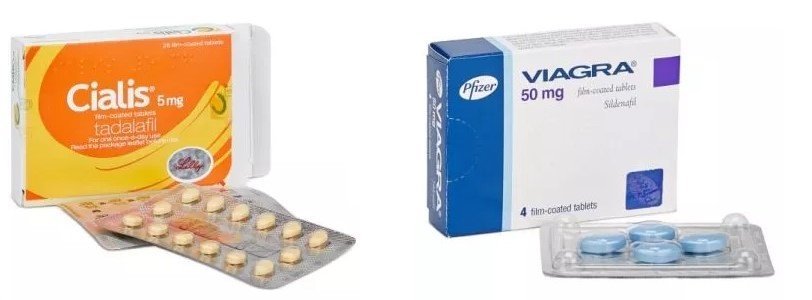
By far the most popular treatment for erectile dysfunction comes from the family of drugs known as PDE5 inhibitors, so-called because they temporarily disable an enzyme that can interfere with blood flow to the penis. Viagra, the first such drug, was introduced in 1998 and has since been joined by Levitra, Cialis, Staxyn, and Stendra. These drugs are available by prescription only. If you’d like to order one of these medications online, eDrugstore.md is a reliable online supplier that sources all of the FDA-approved medications it sells exclusively from licensed U.S. pharmacies.
Although the PDE5 inhibitors are the most popular form of treatment, other options include penile implants, penile injections, and surgery. MayoClinic.com offers a helpful overview of these treatment options.
To read additional articles about erectile dysfunction and related topics, check out our blog.

We specialize in providing our over 1,000,000 customers with relevant product and condition information created by our professional editorial staff which includes our team of medical writers, medical practitioners, and health educators. eDrugStore.com Staff on Facebook