

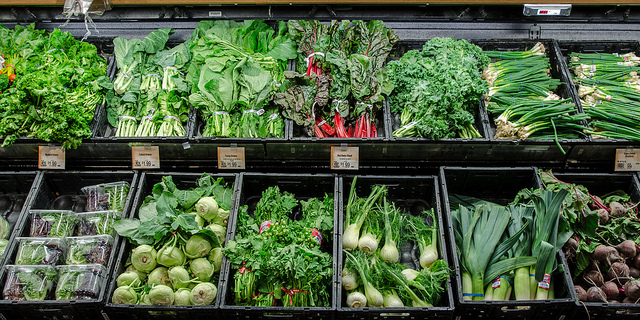
Lean protein. Leafy greens. A heart-healthy diet is also an erection-healthy diet. Supplements can help, but you’re better off getting these nutrients directly from the foods that contain them.
If you’ve noticed lately that you’re having more difficulty getting and keeping an erection and that the erection is not as firm as it has been, it’s possible that some changes in your diet could help things spring back into action.
Even men who have begun to experience mild but persistent signs of erectile dysfunction may find that including certain erection-friendly nutrients in their diets can help them get back on their game.
As regular readers of this blog are already aware, the vast majority of erection problems stem from compromised blood flow to the penis. For this reason, nutrients that are known to promote strong blood flow are those you need to focus on to improve erectile function and hopefully prevent or postpone symptoms of impotence.
Nutrients to the Rescue
Fortunately, there are a number of nutrients that support vascular function, and they’re available in an even wider array of foods. Nutrients include the so-called macronutrients — carbohydrates, fats, and proteins — as well as micronutrients, which include not only vitamins and minerals but also plant-based nutrients known as phytonutrients, which are also sometimes called phytochemicals.
The primary aim of most phytonutrients is to serve the needs of the plants of which they are a part. However, in recent decades scientists have discovered that these plant-based nutrients provide benefits not only to the plants themselves but to those who eat the plants.
Protein
Of all the macronutrients and their roles in support of erectile function, protein is probably the most important. Amino acids are the building blocks of protein, and certain amino acids play a key role in promoting vascular health. Amino acids come in two basic varieties — essential and nonessential. Essential amino acids are so-called because they can only be obtained through dietary intake, while your body can produce the nonessential amino acids on its own.
Arginine
However, like other functions of the human body, your in-house production of amino acids tends to slow down over time. Arginine, a nonessential amino acid, is a chemical precursor of nitric oxide, which facilitates the erectile process. High levels of nitric oxide in the blood relax the smooth muscles that line the inner walls of blood vessels, boosting circulation. And as you’ve already seen, strong circulation — particularly to the penis — is essential for optimal erectile function.
Ornithine
Yet another amino acid, ornithine, helps the body to convert ammonia — toxic in high amounts — to urea, which is eventually eliminated from the body as waste. This process is known as the urea cycle. Studies have shown that ornithine is a perfect complement to arginine, according to an article at AminoAcid-Studies.com. In combination, these two amino acids improve “the overall regeneration capability of the body,” leading to a significant increase in vitality. Such an increase has been shown to support the erectile function in men.
If you’re looking to increase your consumption of both arginine and ornithine, you will find high levels of both in chicken and turkey, lean pork, chickpeas, dairy products, lentils, peanuts, pumpkin seeds, soybeans, and spirulina. Alternatively, both of these amino acids are available in supplement form, although your best bet is to increase your consumption of foods that are high in these nutrients.
Citrulline
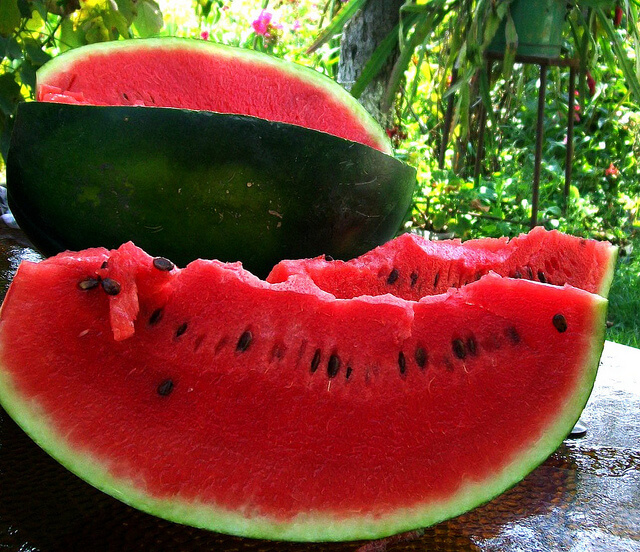
Like ornithine, citrulline is another amino acid involved in the urea cycle, and it also has been shown in a 2011 Italian study to improve erection hardness in patients with mild erectile dysfunction. Citrulline is converted in the body to arginine, which as previously noted increases levels of nitric oxide in the blood, thus improving blood flow to the penis and other vital organs. Perhaps the best dietary source of citrulline is watermelon. Other foods that contain citrulline, albeit in more modest amounts, include cantaloupe, cucumbers, and the dairy protein known as casein.
Zinc
Another erection-supportive nutrient is zinc, a mineral that is closely linked to the body’s production of testosterone. Men and women whose diets include too little zinc develop a condition known as hypogonadism, in which the sex glands are producing little or no hormones. Symptoms of hypogonadism in men include a decreased sex drive, erection problems, infertility, growth of breasts, loss of body hair, muscle loss, and osteoporosis.
Foods rich in zinc include beef and pork; chicken; almonds and cashews; chickpeas (garbanzo beans) and kidney beans; crab, lobster, and oysters; oatmeal; fortified breakfast cereals; and Swiss cheese. In addition to its erection-supportive properties, zinc also helps the body to regulate blood sugar levels, supports immune function, and sharpens the senses of smell and taste.
Magnesium
Increased consumption of magnesium-rich foods also can help to improve erectile function and increase your body’s production of testosterone. However, the mineral’s benefits extend far beyond the realm of sexual function. Magnesium is a vital catalyst that facilitates hundreds of important chemical reactions throughout the body. Among those vital chemical reactions are several of those that are key to the process of erection. Getting an adequate amount of magnesium in your diet can also help you to ensure that vital body processes are working as they should.
Good sources of dietary magnesium include dark leafy greens, such as collards, kale, and spinach; nuts and seeds, particularly pumpkin seeds; fatty fish, like halibut, mackerel, salmon, and tuna; avocado; soybeans; bananas; dark chocolate; and low-fat yogurt.
Selenium
Another mineral that plays an important role in male sexual function is selenium, a powerful antioxidant. As with other antioxidants, it battles against free radicals, which have been linked to the cellular damage associated with illness and the aging process. Selenium helps to ensure that testosterone is maintained at healthy levels and also helps support male fertility. Selenium-rich foods include salmon and tuna, sunflower seeds, beef and pork, octopus and squid, chicken, eggs, bacon, oysters, mushrooms, shrimp, oats, and Brazil nuts.
Nitrates
Nitrates are naturally occurring chemical compounds that are recognized as effective vasodilators, meaning that they have a tendency to dilate or expand blood vessels, thus improving blood flow. Nitrates in pharmaceutical form, such as amyl nitrate, are given to those with angina to lessen the discomfort of chest pain by temporarily opening clogged arteries to permit optimal blood flow. Nitrates are also precursors to nitric oxide, which improves blood flow to the penis and other vital organs. Lovers of dark, leafy greens, such as kale and spinach, get plenty of nitrates. Other plant food sources of nitrates include arugula, beets, including beet juice, and celery.
Impotence Drugs Could Help
If you’ve added some or all of these nutrients to your diet and still find that your erections are not all that you’d like them to be, you should be able to get the extra boost you need from one of the popular impotence medications now on the market. A reliable online source for these prescription drugs is eDrugstore.com. Click here to check out our ED medication guide.
Photo credits: healthnutrition, U.S. Department of Agriculture
Don Amerman is a freelance author who writes extensively about a wide array of nutrition and health-related topics.

We specialize in providing our over 1,000,000 customers with relevant product and condition information created by our professional editorial staff which includes our team of medical writers, medical practitioners, and health educators. eDrugStore.com Staff on Facebook