

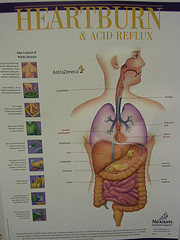
It’s been discovered recently that heartburn can actually increase the risk of esophageal cancer. And unfortunately it’s causing a surge in the rates of esophageal cancer over the last several decades.
Rates of esophageal cancer have increased six-fold from 1975 to 2001, according to a team from University of California, Los Angeles. — Click to Tweet.
One of the major ways to reduce the risk of being one of those who develop esophageal cancer is to manage your heartburn — also known as gastrointestinal reflux disease, or GERD — early and effectively.
The Major Causes
Top contributors, according to associate clinical professor of medicine and endoscopy director at the UCLA Center for Esophageal Disorders Raman Muthusamy, obesity and poor diet, which both greatly increase the risk of heartburn and GERD.
One of the best ways to reduce your risk of esophageal cancer is to treat any heartburn symptoms you may have as soon as they arise.
In fact, if you experience heartburn more than once a week, you should see your doctor for a more detailed examination. In addition to taking the doctor’s recommendations, consider the following adjustments to your lifestyle:
- Try to lose any extra weight you may be carrying — being overweight increases heartburn symptoms.
- Avoid overeating at a single meal — and if you do eat a large meal, stay upright afterwards. Laying down on your bed can cause more acid to leak into your esophagus.
- Exercise lightly after your meals. Physical activity improves digestion.
- Take your medicine regularly if you’ve been prescribed anything for GERD or heartburn — including Prilosec, Nexium, Prevacid, Zantac, or Pepcid.
- Don’t smoke cigarettes, drink alcohol or caffeine, or eat fatty foods.
Screenings for Esophageal Cancer
The time for a screening is as soon as there might be a risk of Barrett’s esophagus, which is a disease that is caused by chronic irritation of the esophageal lining. If acid washes repeatedly into the esophagus, the tissue damage can become permanent.
If you’re 50 years or older — and especially if you’ve been affected by acid reflux for more than 10 or 15 years — you should consider getting screened for Barrett’s esophagus. Those who have Barrett’s esophagus are shown to be more than 40 times as likely to develop cancer of the throat.
Protect yourself from esophageal cancer! The risks are much worse than with your average case of heartburn, but you have to treat your heartburn to ensure it doesn’t turn into something much worse.

We specialize in providing our over 1,000,000 customers with relevant product and condition information created by our professional editorial staff which includes our team of medical writers, medical practitioners, and health educators. eDrugStore.com Staff on Facebook