
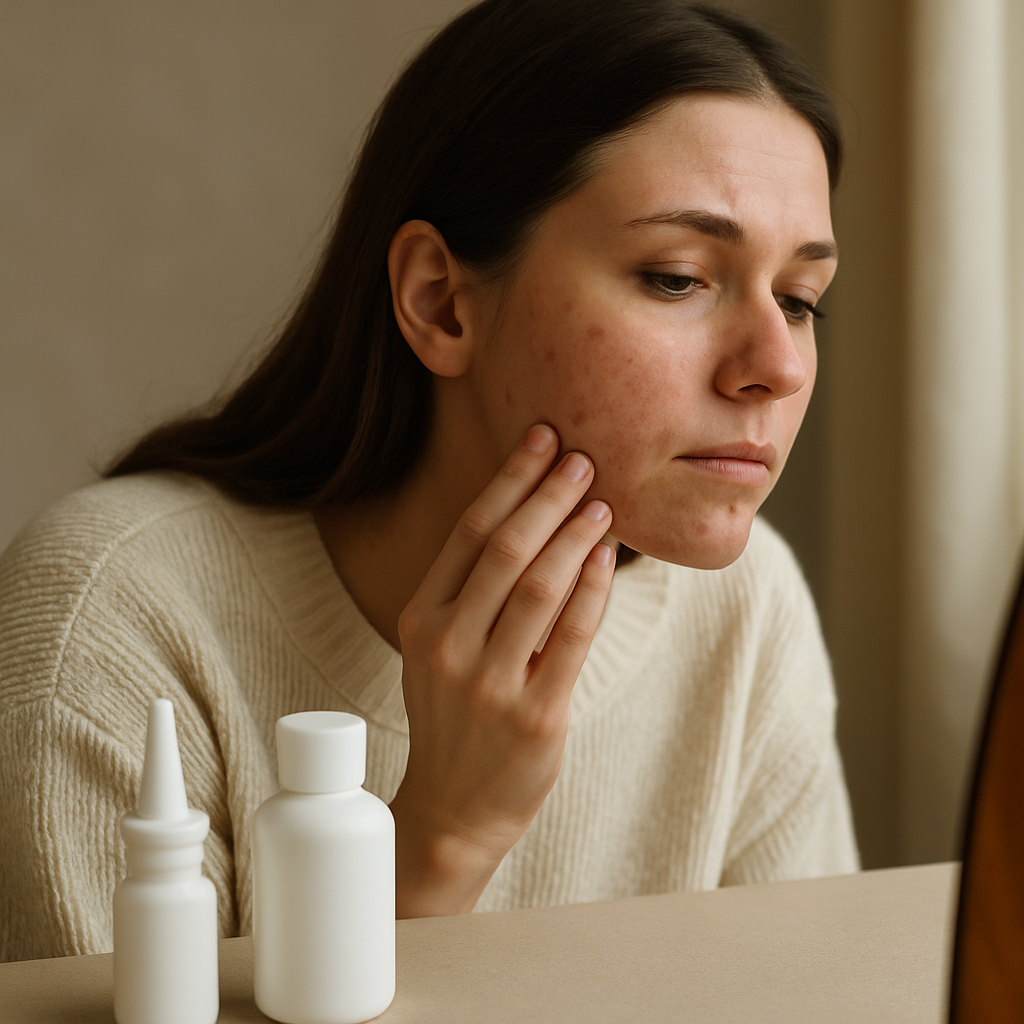

If you’ve been comparing azelaic acid vs tretinoin for acne, you’re probably weighing one specific worry: which one is my skin actually going to tolerate? Both work. Both have decent evidence behind them. But they don’t feel the same on your face, and that difference matters more than most articles admit.
The short answer, which we’ll unpack below, is that azelaic acid is generally the gentler option. Tretinoin is usually the stronger one. That’s not the whole story though, because "gentler" and "better for you" aren’t always the same thing.
Here’s what a working clinical pharmacist would actually walk you through if you asked at the counter.
How Each Drug Works
Tretinoin is a topical retinoid, a vitamin A derivative that speeds up skin cell turnover, unclogs pores, and reduces inflammation over time. It’s FDA-approved for acne vulgaris and has decades of data supporting it.
Azelaic acid is a naturally occurring dicarboxylic acid, originally found in grains like wheat and barley. It’s antimicrobial, anti-inflammatory, and mildly comedolytic. According to MedlinePlus, the 15% and 20% prescription strengths are approved for acne and rosacea.
Different mechanisms. Different side effect profiles. Which is why the azelaic acid vs tretinoin question doesn’t have a universal answer.
Azelaic Acid vs Tretinoin: The Gentleness Gap
In practice, what I see most often is this: patients starting tretinoin get a two to six week "retinization" period. Redness. Flaking. That tight, sandpaper feeling. Some peel visibly. Most push through and their skin adapts, but a meaningful minority quit before they see benefit.
Azelaic acid users report a different experience. A brief tingling or warmth after application is common, especially in the first week. True irritation, the kind that makes you stop using it, is much less frequent. A 2018 review in the Journal of Drugs in Dermatology noted azelaic acid’s tolerability profile makes it one of the few topical acne treatments considered safe enough for use during pregnancy under a prescriber’s guidance.
So on the pure gentleness question, azelaic acid vs tretinoin isn’t close. Azelaic acid wins.
Side effects to expect with tretinoin
- Dryness and peeling, usually worst in weeks two through four
- Redness, sometimes with a burning sensation after application
- Increased sun sensitivity (daily SPF is non-negotiable)
- A temporary acne flare in the first month, often called "purging"
- Not recommended in pregnancy
Side effects to expect with azelaic acid
- Mild tingling or itching right after application
- Occasional dryness, usually manageable with moisturizer
- Rare cases of temporary lightening in darker skin tones, which some patients actually want if they have post-acne dark spots
- Generally considered compatible with pregnancy, though you should still confirm with your OB
Which One Works Better?
Gentler doesn’t mean weaker in effect, but it often means slower. Tretinoin tends to produce more dramatic clearing on moderate inflammatory acne within 12 to 16 weeks. Azelaic acid works more gradually and shines on comedonal acne, mild-to-moderate inflammatory acne, and the specific problem of post-inflammatory hyperpigmentation, those dark marks acne leaves behind.
If your primary concern is dark spots plus active breakouts, azelaic acid is often the smarter first pick. If you have deeper cystic lesions and a resilient skin barrier, tretinoin usually pulls ahead. We compare the retinoid options more directly in our tretinoin vs adapalene for acne breakdown and in the tazarotene vs tretinoin comparison, both worth reading if you’re leaning retinoid.
For a head-to-head look at outcomes rather than tolerability, our companion piece on azelaic acid vs tretinoin for overall acne results digs into the efficacy data.
Who Should Choose Which
The honest answer is, it depends on your skin, your acne type, and how much irritation you’re willing to tolerate for faster results.
Azelaic acid tends to be the better first choice if you:
- Have sensitive skin, rosacea, or a history of eczema
- Are pregnant or trying to conceive (with prescriber approval)
- Deal mainly with post-acne dark spots
- Have tried a retinoid before and couldn’t tolerate it
- Want something you can use twice daily without much fuss
Tretinoin tends to be the better choice if you:
- Have moderate inflammatory acne that hasn’t responded to gentler options
- Also want anti-aging benefits like fine line reduction, covered more in our tretinoin vs retinol for aging skin article
- Have a normal-to-oily skin barrier that can handle the retinization phase
- Are willing to commit to sunscreen every single morning
Many patients end up on both, actually. Azelaic acid in the morning, tretinoin at night, spaced out to reduce irritation. That’s a prescriber-driven decision, not a DIY move.
Cost and Access
Both are prescription-only in their clinically effective strengths in the US. Generic tretinoin 0.025% and 0.05% cream is widely available and usually inexpensive. Azelaic acid 15% gel and 20% cream run pricier, though generics have narrowed the gap.
If cost is a real barrier, ask your prescriber which strength and formulation makes sense, then compare prices on generic tretinoin or azelaic acid at edrugstore.com before filling at your local pharmacy. The difference across pharmacies can be substantial.
The Bottom Line
On the azelaic acid vs tretinoin gentleness question, azelaic acid wins clearly for most patients, especially those with sensitive skin, rosacea overlap, or pregnancy considerations. Tretinoin remains the stronger tool for stubborn inflammatory acne when your skin can handle it. Neither is universally better, and the right pick depends on your acne pattern, skin barrier, and tolerance for a rough first month.
Talk to your prescriber or pharmacist about which fits your situation, and don’t be surprised if the recommendation is to start with azelaic acid and add tretinoin later if needed.
This article is for informational purposes only and is not medical advice. Always consult a licensed pharmacist or physician before starting, stopping, or changing any medication.
References
- FDA Drug Information, regulatory status and approved indications for topical acne treatments.
- MedlinePlus: Azelaic Acid Topical, patient-facing overview of azelaic acid uses and side effects.
- PubMed: Azelaic Acid Tolerability Review, clinical data on side effect profile and pregnancy considerations.
- American Academy of Dermatology Acne Guidelines, professional society recommendations on topical acne therapies.

Dr Steven Schlosser
Dr. Schlosser graduated from Lafayette College Phi Beta Kappa and attended Georgetown Medical School. He had 4 years of medical residency training at Tufts University in Boston in both Gynecology and Internal Medicine. He has had a spotless medical career for the past 40+ years and is Board Certified. Learn More