
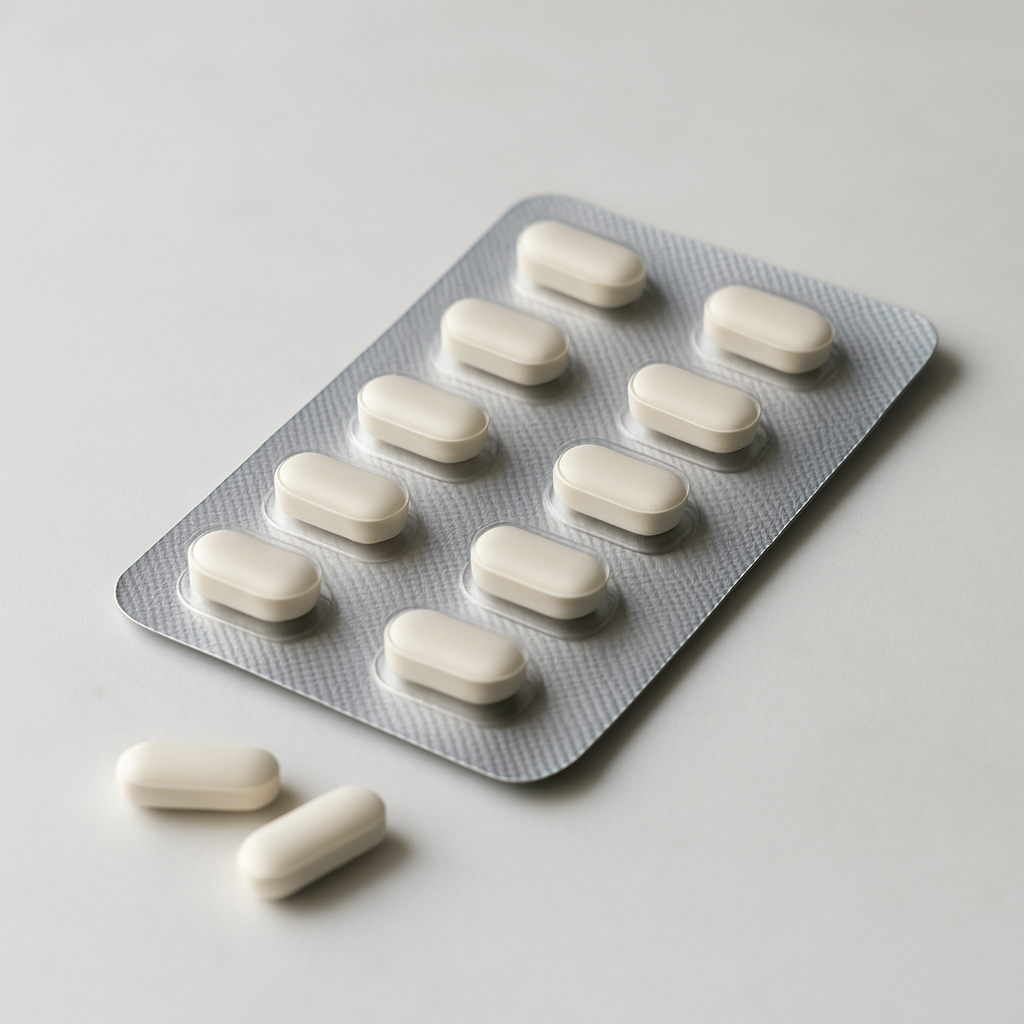

If your clinician just handed you a prescription for doxycycline for chlamydia, you probably have a short list of questions. Does it actually work? How fast? What’s going to happen to your stomach? And do you really have to wait a week before sex?
Short answers: yes, it works (the cure rate is very high), most side effects are mild, and yes, please wait. The longer answers are worth knowing because the small details about how you take this antibiotic are the difference between a clean cure and a repeat visit.
Here’s what’s actually going on with this drug, what the CDC’s 2021 STI Treatment Guidelines recommend, and what to watch for over the next two weeks.
Why Doxycycline Is the First-Line Choice
Doxycycline is a tetracycline-class antibiotic. It works by blocking bacterial protein synthesis, which stops Chlamydia trachomatis from replicating inside your cells. Because chlamydia is an intracellular pathogen, you need an antibiotic that can actually get inside the cell to reach it. Doxycycline does that well.
For years, the standard of care was a single 1-gram dose of azithromycin. Convenient. One and done. But head-to-head data shifted the picture. A 2021 NEJM trial of 567 men found doxycycline produced a cure rate of roughly 100% for urogenital chlamydia, compared with about 97% for azithromycin. More importantly, for rectal chlamydia (common in men who have sex with men but underdiagnosed in everyone else), doxycycline outperformed azithromycin by a wider margin.
That’s why the CDC now lists doxycycline for chlamydia as the preferred regimen for most adults and adolescents.
Doxycycline Dosage for Chlamydia
The standard regimen is straightforward.
- 100 mg by mouth, twice a day, for 7 days
- Take with a full glass of water
- Stay upright for at least 30 minutes after each dose
- Finish the full course even if symptoms vanish on day 2
Your prescriber will confirm the right dose for your situation, especially if you have kidney issues, are pregnant (doxycycline is generally avoided in pregnancy; azithromycin is preferred instead), or take other medications that interact.
A few practical notes that pharmacists repeat all day at the counter:
- Don’t take it with milk, yogurt, antacids, calcium supplements, iron, or magnesium within 2 hours of the dose. These bind doxycycline and cut absorption dramatically.
- Food is fine and actually helps with nausea. Just skip the dairy.
- If you miss a dose, take it when you remember. If it’s almost time for the next one, skip the missed dose. Don’t double up.
Cure Rate and What "Cured" Actually Means
The cure rate for doxycycline for chlamydia in urogenital infections sits between 97% and 100% in modern trials. For rectal chlamydia, it’s roughly 100% versus 74% for single-dose azithromycin in some studies, which is a striking gap.
That said, "cured" has a specific meaning. It means the bacteria are gone after you complete the full 7-day course. It does not mean you’re contagion-free on day 1 or even day 5. The CDC recommends:
- No sex (oral, vaginal, anal) for 7 days after starting doxycycline
- Make sure all recent partners are tested and treated before resuming sex with them
- Retest in about 3 months, not because the drug failed, but because reinfection from an untreated partner is the single biggest reason people end up positive again
Test-of-cure is generally not needed for uncomplicated genital chlamydia in non-pregnant adults. If you’re pregnant, your OB will retest about 4 weeks after treatment.
Side Effects of Doxycycline
Most people tolerate the 7-day course without much trouble. The most common complaints:
- Nausea or upset stomach (the most frequent reason people call the pharmacy). Taking it with a non-dairy meal helps.
- Photosensitivity. Doxycycline makes your skin burn faster in the sun. A 15-minute exposure can give you what feels like a bad sunburn. Wear SPF 30+ and a hat, especially in summer.
- Esophageal irritation. This is why you take it upright with a full glass of water. Lying down right after a dose can cause a painful esophageal ulcer.
- Yeast infections. Antibiotics disrupt normal vaginal flora. Some patients need a one-time fluconazole.
- Headache, dizziness. Usually mild.
Rarer but serious effects include severe allergic reactions, C. difficile colitis (call your doctor for severe watery diarrhea), and intracranial hypertension (persistent headache with vision changes). The NIH MedlinePlus page on doxycycline has a fuller list worth scanning.
One thing worth mentioning: doxycycline can reduce the effectiveness of some hormonal contraceptives in theory, though the clinical impact is debated. Many clinicians suggest a backup method during the course just to be safe.
How Doxycycline Compares to Other STI Treatments
Chlamydia rarely travels alone. If you’ve tested positive, your clinician likely also screened for gonorrhea, syphilis, and HIV. Gonorrhea treatment has shifted to a single intramuscular dose of ceftriaxone, and if gonorrhea co-infection is suspected, you’ll get both. For viral STIs like herpes, the approach is completely different. Our guide on valacyclovir for genital herpes walks through how suppressive antiviral therapy works compared to a short antibacterial course like this one.
If you’ve ever taken an antibiotic for a urinary tract infection, the playbook will feel familiar. The cephalexin-for-UTI guide covers the same finish-the-course logic and why stopping early breeds resistance.
Cost is rarely a barrier here. Generic doxycycline hyclate is inexpensive, and a full 7-day course typically costs less than a copay on most insurance plans. You can compare prices on generic doxycycline at edrugstore.com if you’re paying cash or want to skip the insurance hassle.
What to Tell Your Partner
This is the part patients dread. But untreated partners are why chlamydia comes back. Most states allow expedited partner therapy, meaning your clinician can prescribe doxycycline or azithromycin for your partner without examining them. Ask. It’s faster, more private, and gets the job done.
The Bottom Line
Doxycycline for chlamydia is highly effective, inexpensive, and well-tolerated by most patients. Take 100 mg twice daily for 7 days, avoid dairy and antacids near each dose, stay out of strong sun, finish the course, and skip sex for a week. Get your partner treated, and retest in 3 months. Talk to your pharmacist if nausea is interfering with the regimen, because there are workarounds before you abandon it.
This article is for informational purposes only and is not medical advice. Always consult a licensed pharmacist or physician before starting, stopping, or changing any medication.
References
- CDC 2021 STI Treatment Guidelines: Chlamydia, current first-line dosing and partner management recommendations.
- NEJM 2021: Doxycycline vs Azithromycin for Chlamydia in Men, head-to-head cure-rate data.
- MedlinePlus: Doxycycline, patient-facing side effect and interaction reference.

Dr Steven Schlosser
Dr. Schlosser graduated from Lafayette College Phi Beta Kappa and attended Georgetown Medical School. He had 4 years of medical residency training at Tufts University in Boston in both Gynecology and Internal Medicine. He has had a spotless medical career for the past 40+ years and is Board Certified. Learn More