
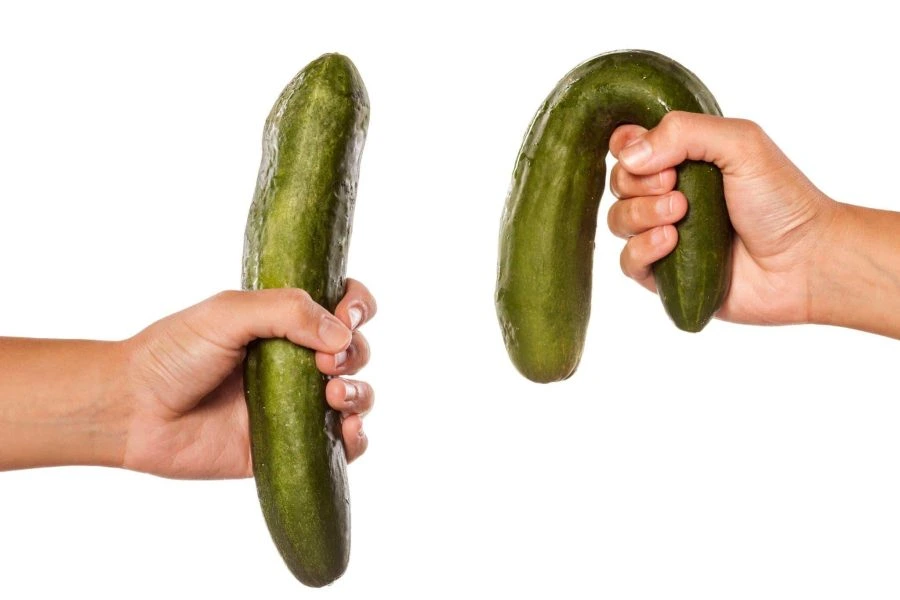

Let’s face it—losing an erection during sex can be a mood-killer. You’re in the moment, everything feels right, and then all of sudden things go soft. If you’ve ever caught yourself thinking, why can’t I stay hard during sex, you’re not alone at all.
This is something millions of men experience at some point. Whether it’s a one-time situation or a recurring issue, it’s never just random—it’s your body or mind trying to tell you something. This guide breaks down the most common reasons for losing erection during sex, how to regain control, and the steps to rebuild confidence in bed.
Erections Are More Than Physical
Erections aren’t just about arousal—they’re the result of a perfectly timed chain of biological events involving your brain, nervous system, blood vessels, and hormones. When even one link in the chain is off, things can go wrong.
So, when you ask, what causes a man to lose an erection during sex, the answer can range from stress to cardiovascular health and everything in between.
What Causes Loss of Erection During Sex?
Let’s break it down. These are some of the most common and overlooked triggers that might explain why you can’t maintain erection during sex.
1. Performance Anxiety
Worrying about your performance, how you will perform, or how your partner may perceive you, creates anxiety. This mental pressure inhibits arousal and can result in quickly losing your erection.
2. Chronic Stress
Stress (work, family, relationships, financial), produces cortisol, which inhibits libido and weakens an erectile response. This stress is a silent killer, affecting mood and performance.
3. Fatigue
When you have exhausted your body, your body does not have anything left to “enjoy.” Survival takes over, not arousal.
4. Porn Habituation
Over-exposure to pornography can essentially change the way your brain responds to real pleasurable activities. Once the novelty factor wears off when interacting with a real person, the physical sex does not create a sufficient response.
5. Alcohol and Recreational Drugs
They may relax you, but in high doses, they numb the nerve signals and reduce the blood flow necessary for strong erections.
6. Medical Conditions
Health conditions like diabetes, high cholesterol, hypertension, or obesity directly impact blood circulation and nerve sensitivity, two things crucial for maintaining an erection.
7. Low Testosterone
Men with low testosterone may feel reduced sexual desire and weakened erections. It often shows up with fatigue, low motivation, and decreased muscle mass.
8. Medications
Antidepressants, antihistamines, and blood pressure medications are known to cause erection issues. Always check side effects if you’re on prescription drugs.

Why Do I Keep Losing My Erection Even If I’m Turned On?
This is especially frustrating. You’re aroused, foreplay is excellent, but when penetration begins, you lose it. So why do I keep losing my erection?
There could be multiple reasons:
- A shift in emotional focus
- Overthinking or distraction
- Worry about “lasting long”
- Lack of adequate stimulation
- Uncomfortable positions or sensations
It’s important to remember that arousal is a blend of physical and mental cues. When the mental state isn’t fully aligned, the body follows suit.
How to Stay Hard During Sex: Real Fixes That Work
If you’re actively looking for how to stay hard, good news: there are real, effective ways to do so, and most don’t involve drastic changes.
1. Communicate With Your Partner
Being honest about your concerns relieves tension. A supportive partner can reduce pressure and even help you stay more present.
2. Take Your Time
Build arousal slowly. Rushing to intercourse creates pressure. Explore foreplay, tease, and increase anticipation.
3. Strengthen Your Pelvic Floor
Kegel exercises help strengthen muscles that support erections. These are discreet, easy to do, and highly effective for long-term gains.
4. Reduce Porn Use
Give your brain time to re-sensitize to real intimacy. Cutting back on porn—even temporarily—can reignite arousal during real sex.
5. Get Better Sleep
Lack of sleep messes with hormone levels, especially testosterone. Prioritize 7–8 hours of rest to see a change in libido and erection quality.
6. Explore Safe Medical Options
ED medications like sildenafil citrate can make a significant difference. It helps improve blood flow to the penis and supports stronger, longer-lasting erections. You can buy sildenafil citrate online through trusted platforms after a licensed consultation.
7. Use Supportive Devices
Some men find success using aids like stay hard cock rings. These maintain pressure and blood flow, helping to sustain firmness. Just be sure to follow instructions and not overuse them. You can buy stay hard cock rings from certified sources online.
How to Maintain an Erection: Beyond Quick Fixes?
So you’ve found what works in the moment, but how do you make these changes stick? Let’s talk long-term.
- Eat For Better Blood Flow
A diet rich in leafy greens, nuts, berries, and omega-3s helps reduce inflammation and improve vascular health. Think: spinach, beets, salmon, and walnuts.
- Exercise Regularly
Even 30 minutes a day of walking or cardio improves circulation and lowers ED risk. Exercise also boosts testosterone and reduces stress.
- Limit Alcohol and Smoking
Smoking damages blood vessels, while excessive alcohol interferes with nerve communication. Both make it harder to get and keep erections.
- Monitor Your Mental Health
Unchecked depression, anxiety, or past trauma can affect libido and erection strength. Don’t hesitate to reach out to a therapist if needed.
- Get Your Hormones Checked
If you suspect low testosterone, a simple blood test can confirm it. Hormone therapy may be an option, depending on your health history.
Why This Happens to Healthy Young Men Too?
There’s a myth that only older men face ED. The truth is, more men in their 20s and 30s are now facing erection issues, often due to modern lifestyle factors like:
- Excessive screen time
- Sedentary behavior
- High porn consumption
- Anxiety and self-esteem issues
- High-pressure careers
If you’re young and asking why can’t I stay hard during sex, it’s not a fluke—it’s likely lifestyle-driven and can be reversed.
When to Get Medical Attention
It’s common to have difficulty maintaining an erection on occasion, but if you are losing your erection often and experiencing confidence issues or affecting your relationship as a result, it may be time to seek professional help. A urologist or men’s health doctor can look at your hormones, blood flow, mental health, and other aspects, and recommend the best treatment protocol.
The Emotional Side: Self-Esteem and Confidence Matter More Than You Think
What often goes unspoken is the emotional toll this experience takes on men. Repeated loss of erections during sex can shake your self-esteem. It can make you avoid intimacy altogether, leading to isolation and relationship strain.
But here’s the truth: your worth isn’t measured by your performance. Taking action to understand what causes loss of erection during sex is a sign of strength, not weakness.
When a man can think, “I failed last time, I’ll also fail this time,” he has entered the psychological death spiral. An example of a negative feedback loop, this process is a very familiar and predictable pattern of ED. The best way to break this cycle is to change your mindset, to be gentle and patient with the process, and to know that what you are going through is part of a process and is not an instantaneous fix. Having a partner who can be open and supportive is critical if you want to make the process of recovery feel less daunting. When both people can discuss the issue, feeling no shame or blame, it removes all of the pressure and makes intimacy fun and enjoyable again.
Sometimes, men also worry about how their partner perceives them. But more often than not, partners are understanding—they want honesty and connection. Communication, vulnerability, and clarity go a long way in not just solving the issue but also building a deeper, more satisfying relationship.
Experiencing a loss of an erection does not automatically mean there is an underlying issue with you; it simply indicates that there is something going on that your body and/or brain would like to you to take notice of. Whether it is stress, a medical condition, or underlying habits, there is a solution for every cause. At eDrugstore, we provide reassurance and control to men just like you, with discreet support, access to safe and proven treatments such as sildenafil citrate, and expert guidance. You are never alone, and you are not powerless!
FAQs
What are the most common reasons for losing erection during sex?
The most common reasons for losing erection during sex include stress, anxiety, poor lifestyle habits, medical conditions like diabetes or high blood pressure, and psychological triggers such as performance pressure or low self-esteem.
Why do I keep losing my erection even when I’m turned on?
Even if you’re aroused, mental distractions, lack of stimulation, or hidden emotional stress can interfere. If you’re wondering why do I keep losing my erection, it might be a combination of physical and psychological factors.
Can I buy sildenafil citrate online safely?
Yes, you can buy sildenafil citrate online through trusted telehealth platforms that provide licensed consultations and FDA-approved medication. Always ensure the provider is reputable and certified.
Are stay hard cock rings effective?
Yes, many men find that stay hard cock rings help maintain firmness by restricting blood flow. When used correctly and safely, they can be a helpful tool for short-term support.
How can I maintain an erection naturally without medication?
If you’re asking how to maintain an erection naturally, focus on regular exercise, reducing stress, eating a heart-healthy diet, avoiding alcohol and smoking, and getting enough sleep. These lifestyle habits significantly support long-term sexual health.

Dr Steven Schlosser
Dr. Schlosser graduated from Lafayette College Phi Beta Kappa and attended Georgetown Medical School. He had 4 years of medical residency training at Tufts University in Boston in both Gynecology and Internal Medicine. He has had a spotless medical career for the past 40+ years and is Board Certified. Learn More