
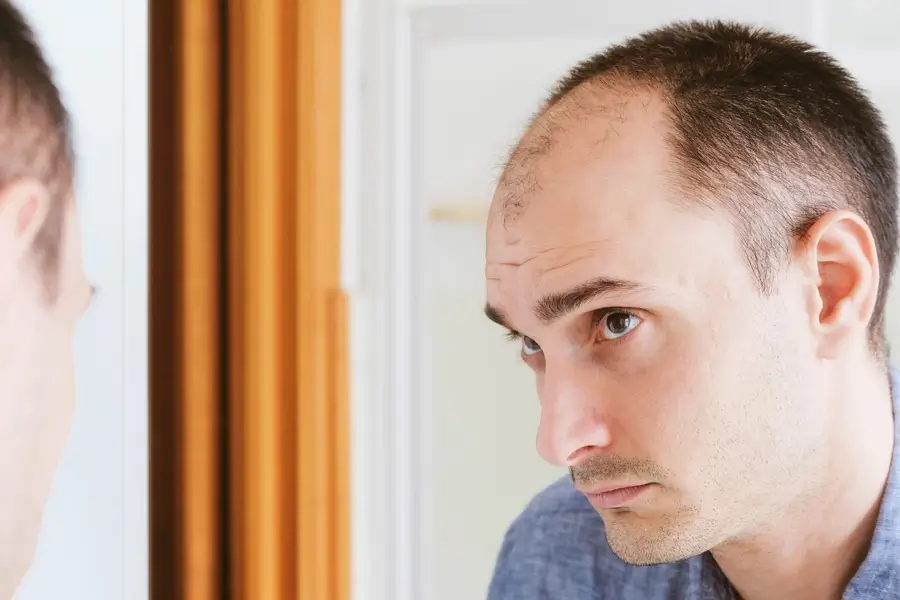

Hair loss is one of the most common concerns among men, and a recurrent hairline is usually one of the first noticeable characteristics. This can begin 20 years early and often reduce self-confidence, increase stress, and never finish to complete solutions. What if the solution is already available on pharmacy shelves?
Minoxidil, the active ingredient in brands like Rogaine, has become a well-known option in the world of hair loss. But does it actually work for a receding hairline, or is it just another hyped-up treatment?
In this blog, we’ll dive deep into how Minoxidil works, its role as a topical hair loss treatment, its potential effects on a receding hairline, and whether it’s the best treatment for receding hairline concerns—or if better options exist.
Understanding the Receding Hairline
Before jumping in solutions, it is important to understand what is actually a hairline. It is usually characterized by thinning hair around temples and pan, it results in m-shaped hairline over time. Although it is often genetic, other contributors include stress, poor nutrition, aging, hormonal imbalance and some medical conditions.
Unlike diffuse thinning, which involves the whole scalp, a receding hairline hits specific spots and is, therefore, more resistant to treatment attempts. This is why early and targeted treatment is necessary.
What is Minoxidil?
Minoxidil, initially developed as a treatment for high blood pressure, functions as a vasodilator. Later, it was discovered that its side effect -Ball growth -ball growth can be used for medical purposes. This resulted in the creation of topical treatments for hair loss, commonly available as foam or liquid formulations.
Today, the minoxidile is FDA innovative for hair loss in male and female patterns and is widely available at the counter under the brand name like Roxine.
How Minoxidil Works on the Scalp
“It is thought that minoxidil encourages hair growth by various mechanisms.”
- Increased blood flow: As a vasodilator, it widens blood vessels in the scalp, improving the delivery of oxygen and nutrients to hair follicles.
- Follicle stimulation: It helps shorten the telogen (resting) phase and prolong the anagen (growth) phase of hair.
- Thicker strands: It may increase the diameter of existing hair, making thin strands appear fuller.
While it doesn’t cure baldness or regrow hair in completely bald areas, it can revive dormant follicles and stimulate regrowth in thinning regions.

Does Minoxidil Work for a Receding Hairline?
This is where it gets nuanced.
Minoxidil is proven to be effective for vertex balding (crown area), but its results for a receding hairline are more mixed. Why?
- The hairline area has fewer and smaller follicles compared to the crown.
- Hair loss in the temples is often more advanced and less responsive.
- Many clinical trials for Minoxidil focused on vertex areas, not the frontal scalp.
That said, Rogaine for receding hairline has been used off-label by thousands of men with varying degrees of success. Some have experienced new growth and thickening near the temples, especially when used early in the process.
Consistency is key. Results may take 3 to 6 months to show, and you’ll need to continue using the product to maintain any regrowth.
Application Tips for Hairline Use
If you’re planning to use Minoxidil for your hairline, here’s how to do it safely and effectively:
- Clean and dry the scalp before application.
- Apply the recommended dose (usually 1 mL) along the thinning areas.
- Evenly distribute the solution by applying it gently with your fingers.
- Make sure it is completely dry before applying other products or going to bed.
Avoid overuse, as more does not mean better. Excessive application can lead to side effects like itching, flaking, or increased hair shedding.
Minoxidil: Pros and Cons
Pros:
- FDA-approved and widely researched
- Easy to use at home
- Can slow hair loss and stimulate regrowth
- Available in foam and liquid forms
Cons:
- Must be used indefinitely to maintain results
- May not be effective for everyone
- Results are slower on the hairline than crown
- Potential for skin irritation or temporary shedding
Is Minoxidil the Best Product for a Receding Hairline?
While Minoxidil can help, calling it the best product for receding hairline issues depends on several factors:
- Early intervention: It works better when used in the early stages.
- Combination therapy: Pairing Minoxidil with other treatments like Finasteride or microneedling improves results.
- Lifestyle factors: Diet, sleep, stress, and scalp hygiene matter.
Some dermatologists also recommend platelet-rich plasma (PRP), low-level laser therapy, or even hair transplants as more aggressive approaches if topical treatments don’t work.
Natural Alternatives and Lifestyle Changes
If you’re looking for a holistic approach, consider these supportive habits:
- Use gentle, sulfate-free shampoos.
- Incorporate zinc, biotin, and protein-rich foods into your diet.
- Massage your scalp to improve circulation.
- Keep your body hydrated and manage stress with physical activity or mindfulness practices such as meditation.
These steps won’t replace Minoxidil, but they can enhance its effects and improve overall hair health.
When Should You Start Treatment?
The earlier, the better. Once you have noticed a thin or shifting hairline, it is advisable to recommend receding hairline treatment. Until significant damage is done, the chances of regrowth drop in the wait. Scope treatment options such as minoxidil, track progress for 6 months and consult a dermatologist when needed.
Real User Experiences with Minoxidil for Hairline
Many men dealing with early signs of hair loss often turn to online communities to share their journeys. While individual results differ, these experiences help paint a realistic picture of what to expect from Minoxidil.
Success Stories:
- Daniel, 29: “I saw thinning at my temples and began applying Minoxidil foam every day. It was around four months, but I began to notice baby hairs growing in. A year after that, my hairline isn’t teenage-thick again, but it’s certainly filled out and healthier-looking.
- “Ravi, 34: “Minoxidil restored some of my confidence. My hairline was advancing quickly, but by using it regularly and taking more care of my scalp, I noticed a tangible change. “Although it’s not flawless, it represents progress.”
- “Ethan, 26: “I was initially skeptical, but after six months of Rogaine for receding hairline usage, I began to notice denser regrowth. I’ve combined it with a biotin supplement and microneedling, and the results are significantly better than anticipated.”
Struggles and Adjustments:
- Several users have noted that initial hair shedding can occur, which is typically a sign that Minoxidil is helping to remove old hairs to allow for new ones to grow.
- Others mention minor scalp irritation, especially when switching from foam to liquid or vice versa.
- Patience is a recurring theme. Most users who stuck with it beyond 4–6 months saw positive changes, while those who quit early often didn’t see significant results.
How Minoxidil Compares to Other Receding Hairline Treatments
Although Minoxidil is widely regarded as a primary treatment choice, it is not the sole option available. Here’s how it stacks up:
Finasteride: An oral DHT blocker that works by reducing the hormone responsible for hair follicle shrinkage. It is best used in combination with Minoxidil, but it requires a prescription and carries potential side effects like reduced libido.
Microneedling: A mechanical technique using a derma roller to stimulate collagen…
Hair Transplants: A more permanent but expensive solution, hair transplants are typically considered when topical or medicinal options no longer work. Involves relocating healthy follicles from one part of the scalp to thinning areas. Recovery and cost are key considerations.
Laser Therapy: Low-level laser devices are available for home use and can stimulate follicles to regrow hair. “Achieves optimal results when used alongside additional therapies.”
So, does Minoxidil work for a receding hairline? The answer is that it can—but results vary.
For men in the early stages of hairline recession, Minoxidil offers a scientifically supported, accessible option that may slow loss and spark regrowth. While not a miracle cure, it’s a valuable part of the modern hair restoration toolkit.
If you’re starting your hair recovery journey, Minoxidil may be a smart first step. Combine it with patience, consistency, and supportive habits to get the best outcome.
At eDrugstore, we believe that addressing a receding hairline starts with trusted solutions backed by science—and Minoxidil remains one of the most widely recommended options available today. While individual results can vary, many users experience noticeable improvements in hair density and growth with consistent use. If you’re considering starting your journey with Minoxidil, we’re here to support you every step of the way. From providing FDA-approved products to offering expert guidance, eDrugstore is committed to helping you regain confidence and take control of your hair health.
FAQs
How long does minoxidil take to show the result on the hairline?
Most users see changes that appear between 3 to 6 months of frequent use, although individual results vary.
Is it safe to use Rogaine for a receding hairline?
Yes. While Rogin (Minoxidil) is approved for the use of kroner, many people are using the off label on the hairline with safe, moderate success.
Is it possible for minoxidil to stimulate hair growth in bald spots?
No. Minoxidil works best in thin areas. This is unlikely to organize hair in areas where Rome is completely passive.
What is the best treatment for regaining hairline in addition to minoxidil?
Finasteride, PRP therapy, microlending, and hair transplant are viable alternatives when current treatments alone are not enough.
If I stop using minoxidil, will I lose my hair?
Yes. Any regrowth obtained with minoxidil will usually fall out within months of preventing use. It should be used continuously to maintain the results.

Dr Steven Schlosser
Dr. Schlosser graduated from Lafayette College Phi Beta Kappa and attended Georgetown Medical School. He had 4 years of medical residency training at Tufts University in Boston in both Gynecology and Internal Medicine. He has had a spotless medical career for the past 40+ years and is Board Certified. Learn More