

Highlights
- Hearing loss is a rare side effect of Viagra and other PDE5 inhibitors.
- We don’t know how these erectile dysfunction medications can cause hearing loss.
- People with some health conditions or genetic predispositions are more likely to develop Viagra hearing loss.
- If you take genuine, FDA-approved Viagra from a safe source, under medical supervision, your odds of developing “Viagra deafness” are low.
- There are few effective alternatives to PDE5 inhibitors for ED treatment.
If you take Viagra or other PDE5 inhibitors for erectile dysfunction, you assume a small risk of developing hearing loss. How small is this risk? Should you be worried about Viagra hearing loss? What does medical research say about “Viagra deafness?”
How Does Viagra Work?
Sildenafil, the active substance in Viagra, inhibits the action of a biochemical compound called phosphodiesterase type 5 (PDE5). PDE5 would break down cGMP, a compound that controls smooth muscle relaxation. Since sildenafil stops PDE5, it cannot break down cGMP. High cGMP levels relax the smooth muscles in the walls of blood vessels, causing dilation.
Dilated blood vessels allow more blood to flow through. A better blood supply boosts erections. These effects happen all over the body, including the ears. Increased blood flow is intentional and does not cause harm normally.
Viagra cannot cause erections on its own. It can only boost erections in sexually stimulated patients.
What the Evidence Says About Hearing Loss Risk from Viagra
Hearing loss from Viagra is a rare side effect, but it can happen. Researchers have documented several cases but failed to establish why and how Viagra may cause sensorineural hearing loss.
According to a 2007 case study, a 44-year-old man suffered hearing loss in both ears, after he took 50 milligrams of Viagra every day, for 15 days.
Other studies found that men on PDE5 inhibitors were more likely to develop hearing loss than others.
A 2018 study concluded that PDE5 inhibitors carried a “small but significantly increased” risk of sudden hearing loss.
Viagra’s FDA label acknowledges the possibility of hearing-related side effects but cautions against jumping to conclusions based on anecdotal evidence.
According to it, other medical conditions may have been involved in many reported cases.
All studies have thus far failed to link Viagra to sudden hearing loss in an unequivocal cause-effect fashion.
Viagra and other PDE5 inhibitors may only increase the risk of hearing loss in people already predisposed to it.
It would make sense for someone suffering from low blood pressure or already taking blood pressure medication to experience more side effects from Viagra.
In addition to PDE5 inhibitors, other factors affect hearing loss risk as well, like:
- Genetic predisposition
- Age
- Mechanical blows to the head
- Illnesses
- Other drugs
- Loud noises and acoustic shocks
- Inner ear peculiarities
- Vascular conditions
- Viral infections
- Autoimmune disorders
If you are a boxer, for instance, you are more likely to experience sudden hearing loss from Viagra. Science is yet to establish whether Viagra or the mechanical blows to your head are to blame in that case.
To further complicate the problem, mouse studies found that PDE5 inhibitors do not affect hearing sensitivity.
How Viagra May Cause Hearing Loss
One theory is that low blood pressure resulting from Viagra may starve the nerves of the inner ear of adequate blood supply, damaging them. There isn’t any solid evidence supporting this theory, merely acknowledgments that it is a possibility.
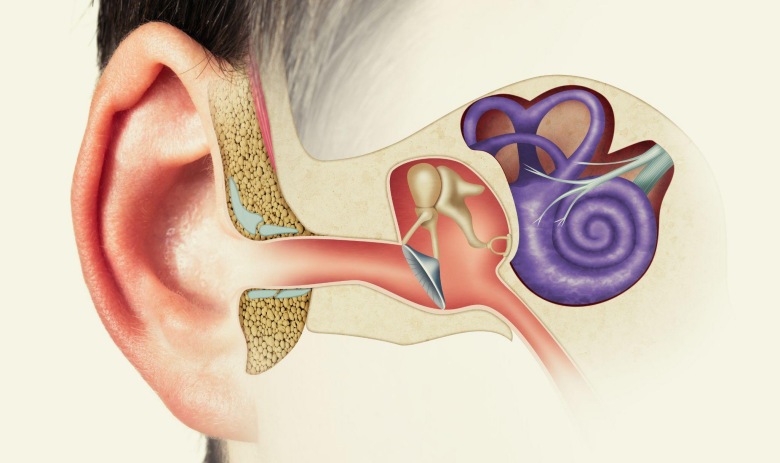
According to another theory, the increased blood flow Viagra causes may damage the delicate blood vessels of the inner ear.
Another possibility is that PDE5 inhibitors may damage the cochlea. The cochlea is an organ that translates sound vibrations into bioelectric signals the brain understands.
Is Viagra Hearing Loss Permanent?
“Viagra deafness” is most likely to occur within one day of taking a PDE5 inhibitor. The available evidence indicates that it is most likely to occur in one ear. That doesn’t mean you cannot experience hearing loss several days after taking Viagra or go deaf in both ears.
According to research, PDE5 inhibitor-related hearing loss is reversible in about one-third of the cases. Temporary hearing loss resolves by itself. For the remaining two-thirds of hearing loss victims, science hasn’t yet found a solution.
Surgery and medications cannot repair nerve damage. Cochlear implants represent an alternative treatment for Viagra hearing loss. These implants stimulate the nerves of the inner ear.
Other options for hearing loss management are frequency modulation systems and hearing aids.
If you experience hearing loss, stop taking your PDE5 inhibitor and seek medical help immediately.
Minimizing the Risks of Viagra Side Effects
Viagra is a popular ED medication that many people abuse and treat as a recreational drug. Your first step toward minimizing the potential side effects of the drug should be to take it only under the guidance of a healthcare professional.
Talk to your doctor before you start taking Viagra. Discuss your medical history and other health conditions you may have. Bear in mind that ED is often a symptom of an underlying health problem like metabolic syndrome.
Here’s what else you can do to minimize Viagra’s side effects:
- Always follow your dosage instructions.
- Monitor your side effects.
- Consider lowering your dose if you experience side effects.
- Do not buy Viagra without a prescription.
- Don’t drink alcohol or grapefruit juice.
Your health history gives your doctors an insight into your overall health, allowing them to identify risk factors. Based on it, they can:
- Review medications
- Develop individualized treatment plans
- Order screening tests
- Monitor your health conditions
- Recommend lifestyle changes
- Educate you about your health conditions
- Cooperate with other specialists
Electronic health records allow your healthcare provider to give you comprehensive care, considering all relevant information.
Other Options for Treating ED Safely
If you can’t take PDE5 inhibitors like Viagra, Cialis, or Levitra, ask your doctor to consider alternative treatments. Depending on the specifics of your health situation, your doctor may suggest an alternative erectile dysfunction treatment.
- Alprostadil. Doctors use this prostaglandin as a second-line therapy for erectile dysfunction. They may administer the medication intravenously, in combination with papaverine and phentolamine.
- Lifestyle changes. Lifestyle-dependent factors are often to blame for erectile dysfunction. Treating some forms of ED is as simple as changing one’s lifestyle.
- Acoustic Wave Therapy. Doctors may be able to improve blood flow to the penis by bombarding it with low-intensity acoustic shockwaves.
- Vacuum devices. By creating a vacuum around the penis, you can draw more blood into it, causing an erection. A constriction band can then keep the blood in the organ, prolonging the erection.
- Penile implants. Doctors can surgically implant inflatable devices to help with erections.
- Herbal supplements. Herbal supplements are unregulated and may or may not help with ED.
Only a qualified healthcare provider can help you find an optimal treatment for erectile dysfunction.
Key Takeaways
Sudden hearing loss is a rare PDE5 inhibitor side effect. When used under medical guidance and supervision, drugs like Viagra are safe and effective solutions for ED.
Doctors are still unsure how PDE5 inhibitors cause hearing loss.
Always check with your doctor when making a decision that will impact your health. And never self-administer counterfeit drugs of unknown origins.
eDrugstore Can Help You

If you take counterfeit Viagra or other unregulated male enhancement products, you assume an increased risk of serious side effects like hearing loss.
Only buy FDA-approved erectile dysfunction medications from a trustworthy source like eDrugstore.
Disclaimer: This article provides general information about health and related topics but is not intended as a substitute for professional medical advice, diagnosis, or treatment. Always seek the advice of your physician or other qualified health provider with any questions you may have regarding a medical condition.

James West is a seasoned health and wellness writer with a focus on topics related to physiology, sleep, and men’s health. He has contributed articles on a range of subjects, from erectile dysfunction treatments and sleep aids to hair loss, providing well-researched insights to help readers make informed health decisions.