


Highlights
- Testosterone is an essential male hormone that defines your virility, strength, muscle mass, and energy.
- Low testosterone levels can significantly affect your quality of life.
- Doctors can treat low T relatively simply and effectively.
- Find out what happens if low testosterone goes untreated.
- Use a testosterone self-test to determine whether your T levels are adequate.
An estimated 4-5 million men in the U.S. struggle with low T. Many of them may not even realize that the cause of their health woes is a shortage of this all-important hormone and may not seek treatment for their hypogonadism. What happens if low testosterone goes untreated?
What Are the Risks of Not Treating Low Testosterone?
Hormones define and influence how our bodies work in many ways and on many levels. A hormonal shortage or overabundance can cause far-reaching and interdependent health problems.
If you suffer from low testosterone, you may experience physical, mental, and emotional changes. Low T also boosts your risk of developing chronic health conditions like heart disease, diabetes, and metabolic syndrome. Interestingly, these health conditions may also cause low testosterone as part of a vicious circle.
If you leave your low T untreated, you increase the likelihood of developing further complications in addition to the problems you already have.
How can low testosterone cause health problems?
Low T Causes Physical Changes
Testosterone is the hormone of virility. With adequate levels of it flowing through your body, you feel good and function well as a man. When levels are low, you’re likely to experience some effects.
How low can testosterone levels go? Your testosterone should be in the 300-1,000 nanograms per deciliter of blood range. In general, a level below 300 ng/dL is considered low, though some doctors only consider T levels below 250 ng/dL too low.
Loss of Muscle Mass
When your testosterone levels drop below 300 ng/dL, you may start losing muscle mass.
Left untreated, low T can accelerate the signs of aging.
Increased Fat Storage
Not having enough testosterone causes your body to accumulate more fat, most likely in the belly area. Left untreated, the problem will likely persist, further boosting your waist circumference. Over time, belly fat can cause metabolic syndrome, which can lead to obesity and heart disease.
Loss of Bone Density
In addition to reducing muscle mass and increasing the body’s tendency to accumulate fat, low T can also weaken the bones. Among its many other roles, testosterone is essential for bone health. When you don’t have enough of it, your bones may become brittle.
Left untreated, hypogonadism can lead to osteoporosis and increase your physical limitations.
Loss of Energy
As the body loses strength and flexibility, it also loses the will to move and boost the muscles through exercise. When low testosterone goes untreated, low energy levels persist, further contributing to the decline of the body and the quality of life.
Low Libido
Low testosterone levels affect your interest in sexual activities. If you leave your low T untreated, you risk developing a permanent inability to achieve an erection.
Erectile Dysfunction
In addition to playing a key role in the development of the male body, testosterone is also essential for sexual function in adulthood. Low levels of testosterone can lead to erectile dysfunction.
Smaller Testicles
As you age, your body produces less and less testosterone. By the age of 80, around 80% of men have low testosterone levels. Testicular function also declines as testosterone dries up. In some men, low testosterone levels can cause testicular shrinkage.
Less Body Hair
Testosterone plays an essential role in the development of secondary male characteristics. When its levels in the body decline, these secondary characteristics, like body hair and beard, may suffer.
Low T Can Cause Mental and Emotional Changes
Low T can alter your quality of life. As your quality of life declines, you may encounter mental and emotional changes.
Depression and Irritability
Low testosterone can affect your mood. It is not uncommon to experience a lack of focus, irritability, and depression when low T drains your body of energy.
Loss of Confidence
With their strength and vitality suffering, many men with low T lose confidence. Some retreat from physical activity, further damaging their bodies and their self-confidence.
Memory Problems
Hypogonadal men often have trouble focusing and remembering things. By leaving low T untreated, you may expose yourself to conditions like Alzheimer’s disease and dementia.
Lack of Motivation
Motivation requires energy. When you don’t feel like getting out of bed, it’s difficult to muster the motivation to go for a morning jog. Men with low T may develop a chronic lack of motivation. Without testosterone replacement therapy (TRT), hypogonadal patients may suffer setbacks and lack meaningful progress in life.
Sleep Problems
One of low testosterone’s far-reaching mental consequences is bad sleep quality. Men with low T often sleep less, awaken more often, and fail to achieve adequate sleep quality night after night. Lack of quality sleep can lead to physical, cognitive, and emotional problems.

Low T May Cause Chronic Conditions
If you leave your low T untreated, you risk developing complicated chronic conditions like metabolic syndrome and heart disease.
Metabolic syndrome includes high blood pressure, high bad cholesterol and triglyceride levels, and increased fat accumulation around the waist. High blood sugar may also be a part of the syndrome.
These risk factors can combine to further depress testosterone levels and increase the risk of heart disease, stroke, and type 2 diabetes.
Metabolic syndrome and low T also increase your risk of obesity and cancer. Interestingly, however, low testosterone can decrease your risk of developing prostate cancer.
The Bottom Line
So, can low testosterone cause health problems? It can absolutely cause a myriad of them.
Some decline in T levels is normal with aging, but maintaining optimal testosterone levels is always a boon for your health.
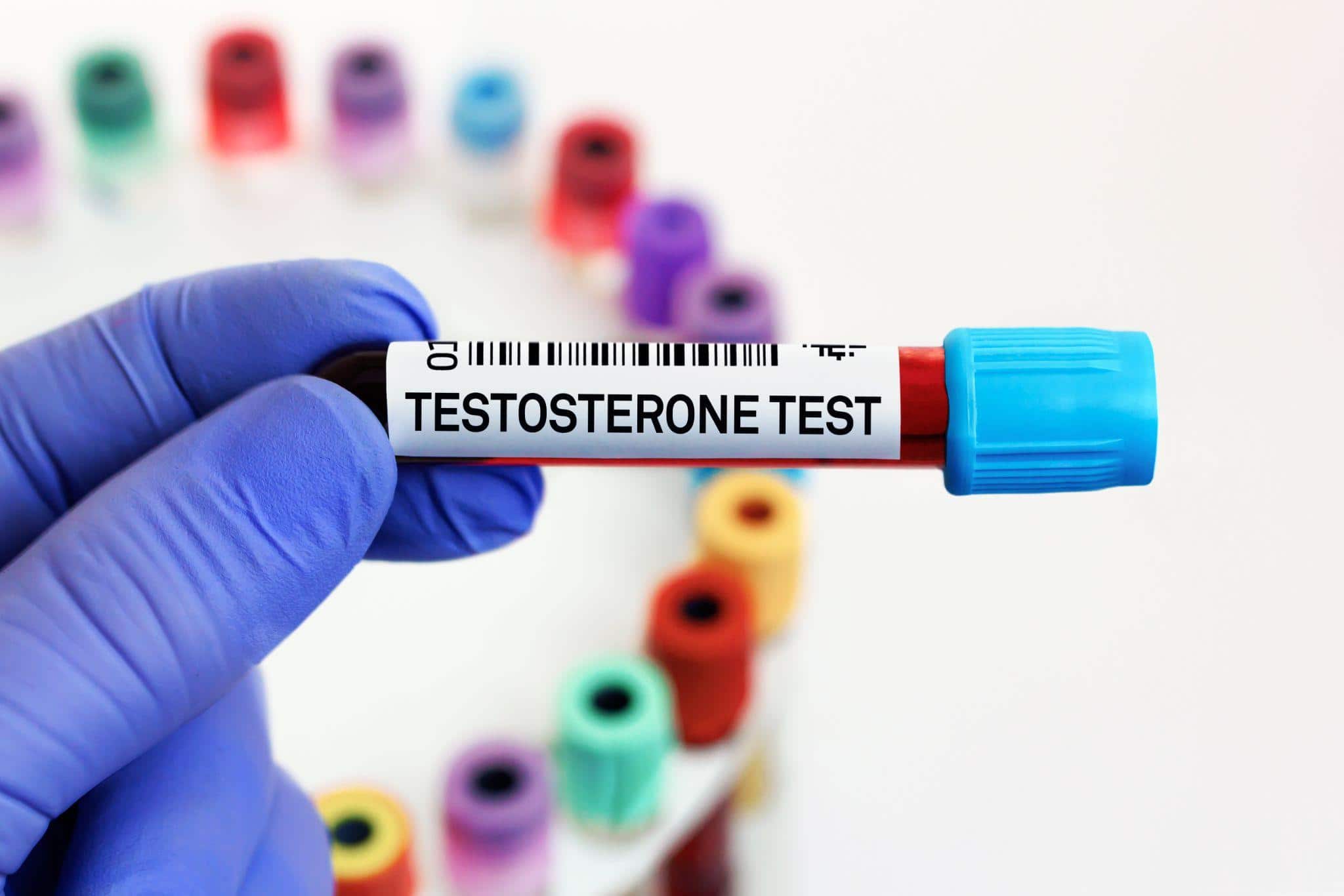
To find out whether you have low testosterone, you don’t have to go to a doctor’s office. You can now use a testosterone self-test. Order a testosterone at-home test kit, and you can find out whether low T is behind your health problems.
Treating low testosterone is relatively simple and effective.
eDrugstore Can Help
We carry a testosterone at-home test kit you can order online. To perform a testosterone self-test, all you need to do is provide a saliva specimen using the testing kit.
Mail in your kit for testing using the prepaid envelope included in your package. You should receive your lab-certified results in two to five days.
If the test finds that your testosterone level is low, schedule a phone consultation with a doctor to discuss what to do next.
We deliver quickly and discreetly. Order your testosterone testing kit now.

James West is a seasoned health and wellness writer with a focus on topics related to physiology, sleep, and men’s health. He has contributed articles on a range of subjects, from erectile dysfunction treatments and sleep aids to hair loss, providing well-researched insights to help readers make informed health decisions.