

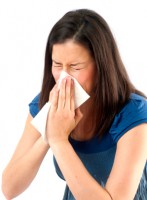
 This time of the year many of us come down with some kind of funk. Whether it’s the changing temperature or the change in pollens and molds, we all end up feeling like staying in bed with our box of tissues during the fall.
Doctor’s offices are packed, Kleenex boxes fly off the shelves and the flu shot is all the rave. Here’s a few ways to know if you need to get in line at the doctor’s or if your immune system will kick in soon enough.
Allergies or a Virus?
It’s sometimes hard to tell if you just have seasonal sniffles, allergies or a virus that will resolve itself in a few days without medical care. Most viruses need to run their course regardless of whether you go to the doctor or not. It’s when your virus becomes an infection that you need to be concerned. Sneezing and sniffling is normal but when your sneezing is accompanied by difficulty breathing due to congestion it’s time to see the doctor. Yellow mucus tends to be thinner than the brown or green stuff. Paying attention to the color and quantity of your mucus is important when deciding on seeking medical attention.
Symptoms and Treatment
If you are also coughing up mucus, this is a good sign as it means your body is ridding itself of the excess mucus and phlegm from the virus. If you find that you are coughing up so much mucus that it is impossible to relax and sleep, you may want to try an over the counter nighttime cough medicine. Pain may develop from your airways becoming restricted and swollen. If you find the pain unbearable and it slows your ability to cough up the nasties, go to your doctor. Also, when a cough becomes less productive, it may seem like a nice break in being sick but it’s actually the opposite. You want to cough up as much as you can and always spit it out. When your cough brings little up but you have a persistent rattle that you cannot cough up, it is definitely time to give your doctor a call. The inability to cough up the mucus will lead to further infection as this fluid builds up in your lungs. When fluid builds up and lingers in your lungs, you are now at risk of developing pneumonia. You really don’t want that to happen since it requires a lot more care and discomfort than a common cold.
Stay Hydrated
Try to drink as much water as you can. Keeping hydrated will help to loosen the phlegm and keep you coughing it up. Also, make sure to sleep as much as you can and get outside in the fresh air for at least 30 minutes a day. This does wonders. Stay away from cardiovascular activities. No smoking, no alcohol and no hanging around in smoky rooms. That will irritate your lungs and thicken your mucus.

We specialize in providing our over 1,000,000 customers with relevant product and condition information created by our professional editorial staff which includes our team of medical writers, medical practitioners, and health educators. eDrugStore.com Staff on Facebook