


Highlights
- High cholesterol and infertility in men are closely correlated.
- High cholesterol levels occur when the body’s LDL and HDL cholesterol production is unbalanced.
- Eating animal-based foods, such as meat, dairy, and eggs, can dramatically increase cholesterol levels.
- High cholesterol contributes to several health problems, including cardiovascular and reproductive dysfunction.
- Scientific studies show that high cholesterol levels may impact sperm development and health, leading to male fertility problems.
- High cholesterol also contributes to other male sexual dysfunction, which can make conceiving more challenging.
- Receiving the proper treatment for high cholesterol and sexual dysfunction can help reduce their negative impact on fertility.
High cholesterol and infertility are closely connected. High levels of cholesterol negatively affect sperm quality, leading to fertility problems. Discover how high cholesterol affects male sexual health and infertility.
What is Cholesterol?
Cholesterol is a fatty, waxy substance produced in the liver and found in white blood cells and cell membranes throughout the body. It is an essential substance needed to maintain normal cellular function and balance bodily systems.
Cholesterol is used to make several other substances in the body, including hormones. The body produces two types of cholesterol: LDL and HDL cholesterol.
HDL Cholesterol
High density lipoprotein (HDL) is known as good cholesterol because it brings cholesterol back to the liver from throughout the body. This keeps cholesterol from forming plaques in your arteries and allows your liver to remove excess cholesterol from your body.
LDL Cholesterol
Low-density lipoprotein (LDL) is referred to as bad cholesterol because high amounts cause it to build up in your arteries, leading to severe health problems, including cardiovascular disease, stroke, type 2 diabetes, and hypertension. A person diagnosed with high cholesterol typically has higher than average amounts of LDL cholesterol.
What Causes High Cholesterol?
The body produces all the cholesterol needed to support normal bodily functions. Cholesterol is also found in animal-based foods, such as meat, cheese, and eggs.
Consuming foods with high amounts of saturated fats, smoking, and not getting enough physical activity can also cause high cholesterol.
Being overweight can make you more prone to developing high cholesterol, as can your age. While people can develop high cholesterol at any age, the risk of developing it increases as you age. Research suggests that this may be due to LDL receptors becoming less active with age.
A person may also develop high cholesterol if their body produces too much LDL cholesterol or can’t metabolize cholesterol effectively in the liver. A longitudinal study performed on over 3,000 participants across 11 years demonstrated that high cholesterol may be genetically inherited.
It showed that people with certain genetic variants of genes known to be responsible for cholesterol metabolism were at high risk of developing elevated cholesterol levels.

Diagnosing High Cholesterol
Since cholesterol is found in the blood, cholesterol levels are easily measured through routine blood tests. If a person’s total cholesterol levels are above 200 mg/dL or their LDL levels are above 100 mg/dL, they may be diagnosed with high cholesterol. A healthcare provider may test a person’s cholesterol levels every year during their physical as they age.
High cholesterol levels have the potential to cause several health problems. Excess cholesterol can combine with other substances in your blood to form plaques. These plaques attach to arterial walls and build up over time, leading to narrowing of blood vessels or even blockages over time.
High cholesterol and plaques affect numerous body systems that depend on blood supply and hormonal regulation. This includes your cardiovascular and reproductive system, which directly impacts fertility.
The Connection Between High Cholesterol and Infertility
High cholesterol and male fertility problems are linked in several ways. High cholesterol levels can impact sperm development and quality, leading to infertility. High cholesterol also increases the risk of developing erectile dysfunction, which contributes to ejaculatory problems, which can make conception challenging.
Infertility is the inability to conceive a child after trying through unprotected sex for one year or longer. Male infertility results from two primary causes: Defects affecting sperm delivery and problems during sperm development.
Research suggests that male reproductive functions depend on adequately regulated cholesterol levels. Changes to cholesterol levels can negatively impact the development or delivery of sperm. Cholesterol plays a significant role in male endocrine and testicular function. The lipoproteins found in the blood are the primary source of male sex hormone production.
What Scientific Research Shows
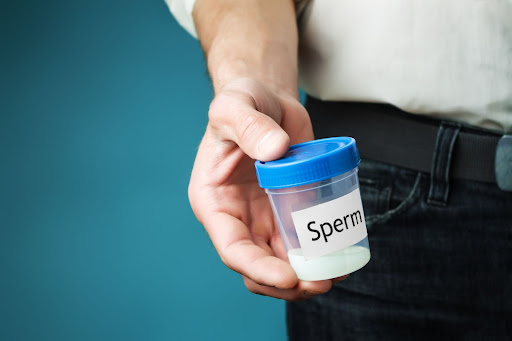
Research from the LIFE study supports that high cholesterol levels are linked to fertility problems, as couples with high cholesterol had more problems conceiving than those with normal levels. This study found that higher total cholesterol levels were associated with a reduction in the total volume of semen and the amount of living sperm in the semen.
It notes that lipid levels may affect some sperm development stages and the ability of sperm to fertilize an egg. Higher levels of cholesterol were associated with sperm that were smaller in size and had smaller heads.
A larger study confirmed findings that lipoprotein levels affect sperm quality. Sperm quality was studied in 7,601 study participants aged 18 to 70. Researchers examined their total concentration of sperm, sperm motility, and sperm morphology.
They found that all semen characteristics negatively correlated with age but had mixed correlation with lipid levels. In this study, men with higher total lipid levels had positive correlations with sperm motility but had more instances of abnormal sperm morphology.
High Cholesterol, ED, and Fertility
High cholesterol is one cause of erectile dysfunction (ED) when a man can’t achieve or sustain an erection long enough for sex. Hormone disruption and blood supply problems caused by high cholesterol may lead to the development of ED. While ED itself does not cause male infertility, it can be a contributing factor.
Because ED interferes with the ability to ejaculate, fertility problems can happen because sperm is prevented from entering the vaginal canal and fertilizing the egg. Men who can’t ejaculate may need fertility treatments to conceive a child with their partner.
They can also use ED medications to help them achieve an erection to conceive a child naturally.
Treating High Cholesterol and Infertility
Since high cholesterol and infertility are linked, treating high cholesterol and sexual dysfunction may help men improve their sperm quality and other fertility-related problems. Statin medications are used to lower LDL cholesterol levels and help regulate total cholesterol levels.
Medications for sexual dysfunction, including Viagra and Cialis, can help men dealing with fertility issues resulting from ejaculatory problems.
eDrugstore Can Help
Finding the right treatment is easy through eDrugstore. Our online pharmacy offers customers a convenient way to order and receive their prescription medications. We provide secure online consultations with physicians licensed in the U.S. to ensure you’re getting the proper treatment.
Visit our online pharmacy for medications to improve erectile dysfunction or sexual health.

We specialize in providing our over 1,000,000 customers with relevant product and condition information created by our professional editorial staff which includes our team of medical writers, medical practitioners, and health educators. eDrugStore.com Staff on Facebook