


Highlights
- Cold sores are most commonly caused by the herpes simplex virus.
- Cold sores can appear anywhere on the body, but they’re usually found on the lips, cheeks, fingers, and nose.
- Cold sores can be painful, but they’re rarely dangerous and can be treated with prescription antivirals, over-the-counter treatments, and home remedies.
- There are a wide range of myths and misconceptions around cold sores, and knowing the facts can help you speed up treatment and make more effective decisions.

Michael DiLeo, MD, has over 30 years of experience in clinical and academic medicine. Through medical school, residency, and private practice, he has functioned as both a specialist and a primary care practitioner. He has twice served as chief of staff of a large regional hospital. He is a published author on women's health for McGraw-Hill. Learn More
There are a lot of misunderstandings and myths around cold sores, and having a clear understanding of what they are and how to get rid of cold sores fast can make life much happier. Learn about cold sores, their causes, their treatments, and why prescription antivirals are usually your best option for treating cold sores.
Cold Sore Causes
Cold sores are unsightly and annoying, but they have nothing to do with a cold. While the sneezing and sniffling associated with colds is brought on by infection with a rhinovirus, the herpes simplex virus 1 (HSV-1) is usually to blame for the cold sore.
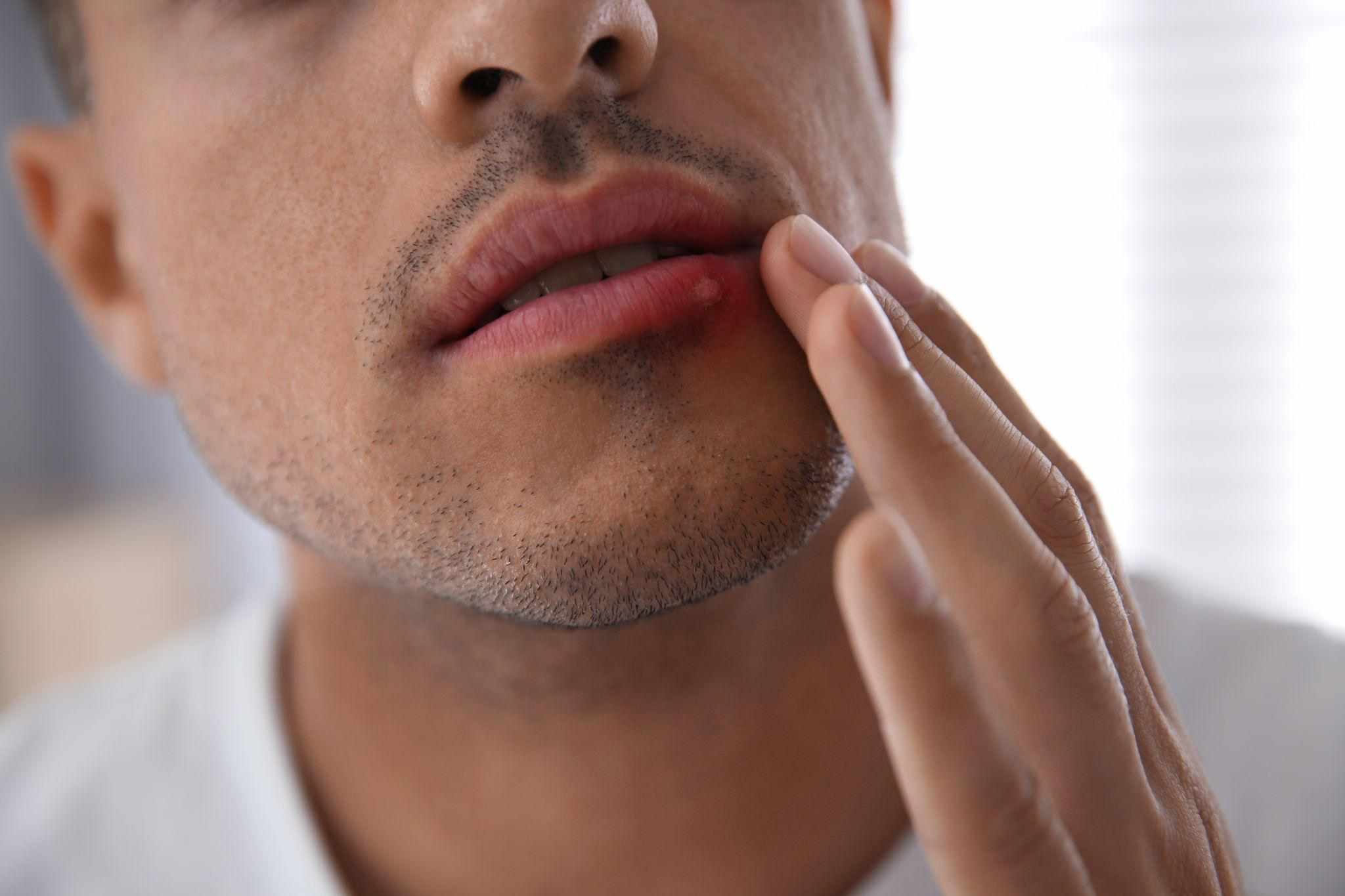
Also known as fever blisters, cold sores erupt most commonly on your lips but can also appear almost anywhere on your body, including your cheeks, fingers, and nose. They appear as fluid-filled lesions and are often preceded by symptoms of burning, itching, or tingling at the site where the lesion will eventually pop up.
Cold sores usually heal within a week, and the blisters fade within two to three weeks.
Cold Sore vs. Canker Sore: How To Tell the Difference
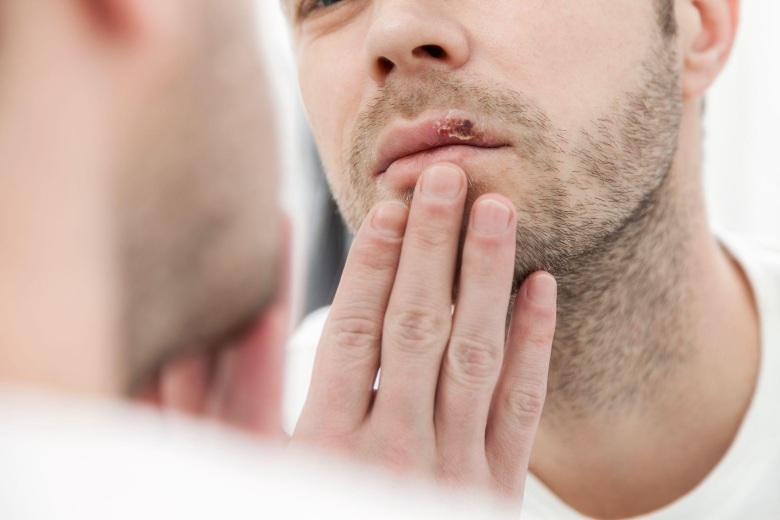
How do you know if you have a cold sore (fever blister) or canker? The two are actually pretty easy to tell apart:
- Cold sores are usually located on the outside of the mouth, where canker sores are more typically found inside the mouth.
- Cold sores are usually fluid-filled blisters, where cankers are round, white, or yellow sores with red borders.
- Both can cause a burning or tingling sensation, but cold sores can also cause fever, fatigue, and swollen lymph nodes, especially with an initial outbreak.
- Cold sores are more likely to ooze or crust and will eventually burst.
Common Cold Sore Triggers
How do you prevent cold sores? By knowing your triggers and managing them. While the virus may very well be present in your body without any outward manifestations, it can be triggered into an active phase, or cold sore, by a number of factors, including:
- Emotional stress
- Certain foods
- Lack of sleep
- Extreme fatigue
- Illness or a recent surgery
- Sun or wind exposure
- A weakened immune system
- Hormonal changes
Everyone will have different triggers with different levels of severity. Consider keeping a journal of how you’re feeling and what you’re eating if your outbreaks become more frequent.

Cold Sore Treatment
If you get a cold sore, caring for it can speed up healing. Take the following steps:
- Leave it alone. Not touching a sore or scab lets it heal and also helps limit the possible spread of the virus that causes cold sores. Don’t try to pop or drain a cold sore, as that will just irritate it.
- Avoid acidic or spicy foods. Acids and spices can irritate the skin around the sore and make it more painful.
- Keep it clean. Wash the cold sore gently to avoid irritation and to remove any irritants or other problems. A cold sore patch can help keep away dirt while absorbing any leaks.
This will also limit irritating, burning and other symptoms as you pursue treatment.
Cold Sore Home Remedies

There are several home remedies you might have heard about for treating cold sores, but the science behind them can vary in quality.
- Honey. Honey is a popular treatment, and does in fact have some antimicrobial properties. However, an antibiotic isn’t an antiviral, and it’s not clear to what extent any form of honey has antiviral properties. The sugar may help dry out the sore, however.
- Lemon balm. An extract of this herb, usually an essential oil in a cream, has shown promise in several small-scale studies, although more research is needed to draw definitive conclusions.
- Lysine. This essential amino acid is fairly common in food, and can also be taken in supplement form. However, the evidence is somewhat contradictory, so it may be better to eat a high-lysine diet as a preventative measure than to try to treat a cold sore after the fact.
Home remedies generally haven’t been subjected to rigorous scientific testing like prescription medication is, so you should use them in addition to — not instead of — proven treatments.
Over-the-Counter Cold Sore Medication
The earlier you treat the cold sore, preferably in reaction to a site on or near the lips that is burning or tingling, the more quickly you can get rid of it. The most common over-the-counter and home remedies for cold sores include the following:
- Cold packs, ice, and cold foods and beverages. These can help relieve the discomfort caused by the cold sore and may speed healing by reducing inflammation.
- Topical numbing medications. These are available over the counter and can help ease cold sore pain.
- Docosanol. Docosanol is a non-prescription topical antiviral drug that is available under the brand name Abreva. It can shorten a cold sore’s duration, particularly if it’s applied in the earliest stages of an outbreak.
- Isopropyl alcohol or hydrogen peroxide. These can sometimes help to dry up active cold sores and speed up healing. However, in some sensitive individuals, these could make matters worse, in which case their use should be stopped at once.
As with triggers, individual results of home treatments will vary.
Antivirals for Cold Sores Work the Fastest
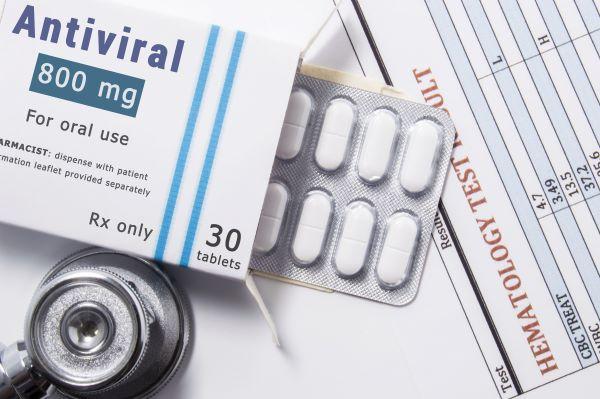
The most potent antiviral medications — acyclovir, penciclovir (Denavir), and valacyclovir (Valtrex) — are available only by prescription, and are generally considered the most effective option.
Used in the early stages of an outbreak, prescription medication for cold sores can usually cut short their duration significantly.
A randomized control study of oral valacyclovir, for example, found that a high dose of the drug, even for a day, increased healing time and reduced symptoms with no notable side effects.
Acyclovir and valacyclovir are oral medications, while penciclovir/Denavir is a topical application. Acyclovir is also available in a topical version. These medications can also help to suppress outbreaks of genital herpes, which are caused by the herpes simplex virus 2 (HSV-2).
Because these drugs are not for everyone and they do have side effects, be sure to give your doctor a complete medical history, including your current medications.
Frequently Asked Questions About Cold Sores
While cold sores are common, unfortunately, so are myths about them. Here are some of the most common questions about cold sores and the answers.
Are cold sores the same as genital herpes?
Both cold sores and genital herpes are caused by the family of herpes simplex viruses and have similar treatment. You can also infect partners with herpes if you have a cold sore and kiss them or engage in oral sex.
In the past, HSV-1 was associated with cold sores and HSV-2 with genital herpes. Now we know that either HSV-1 or HSV-2 can cause blisters in either location. This explains how oral sex with HSV-1 cold sores can also transmit genital herpes.
Do shaving or workouts trigger cold sores in men?
Shaving, working out, or any other activity can’t cause cold sores. In fact, some recommend regular exercise to manage stress if it’s one of your triggers.
However, injury can be a precursor to an outbreak, especially if you injure yourself around the mouth, so be careful and use protective gear where necessary.
Can drinking alcohol make cold sores worse?
Excessive drinking might suppress your immune system, making cold sore outbreaks more likely. But casual drinking likely won’t be an issue.
Can stress from work actually trigger cold sores in men?
If stress is one of your cold sore triggers, and work stress is extreme enough, then it’s possible this could cause an outbreak. Stress management techniques can help with tough times at work.
Do prescription antivirals affect sex drive or performance?
While there is some evidence that people undergoing antiviral therapy for hepatitis C may experience some sexual dysfunction, there’s no evidence that common cold sore antiviral treatments like valacyclovir have any notable sexual side effects.
However, you need to be very careful not to infect your partner with cold sores. Remember that oral sex when you have a cold sore can cause genital herpes in your partner.
How much faster than OCT creams do prescription antivirals heal cold sores?
Oral prescription medication is considered to speed up the disappearance of sores by a day or so, with better results the sooner you take it after an outbreak.
Over-the-counter creams may shorten the time you’ll have a sore by up to a day but need to be repeatedly applied.
Most OTC creams use docosanol, which has no interaction with common prescription antivirals, so if you want to use both, you can.
Prescription antivirals vs. cold sore patches: Which is right for me?
Cold sore patches generally don’t have an active ingredient. Instead, they’re treated with a substance that absorbs any fluid that leaks out of the sore and maintains a moist environment to promote healing. Patches are best used to keep the sore contained, while antivirals are best to speed up healing.
Are prescription antivirals worth the cost for occasional cold sores?
Prescription antivirals do two things: They help you heal faster and reduce the severity of the outbreak. They work by blocking the virus’ replication methods, keeping its population from expanding so it’s easier to contain and gives your immune system fewer virus particles to deal with.
Because some prescription antivirals cost under a dollar a dose, they’re well worth looking into. For those who suffer with them frequently enough, daily antivirals are reasonable for prevention and lessening severity of outbreaks.
Which antiviral medication is best for cold sores?
This is best answered by your doctor, although once you’re prescribed acyclovir, valacyclovir, or Denavir, eDrugstore can quickly and discreetly fill your prescription.
Get Prescription Antivirals Fast from eDrugstore
If you’re not sure where to get your antivirals, eDrugstore has fast shipping and even telehealth support if you don’t already have a prescription. Your antiviral medication shows up at your door so you can focus on healing, not errands. To learn more, visit our sexual health page.
Disclaimer: This article provides general information about health and related topics but is not intended as a substitute for professional medical advice, diagnosis, or treatment. Always seek the advice of your physician or other qualified health provider with any questions you may have regarding a medical condition.

Dan is a long-time freelance writer focusing on technology, science, health, and medicine, with a lifelong interest in physics, biology, and medicine. His work has taken a particular focus on scientific studies “beyond the headlines,” reading the study to more closely examine the results.