


If you’re currently having or want to have sex, then it’s important to know how to protect yourself from sexually transmitted infections (STIs) or how to treat them if you’ve contracted one. This article discusses the common sexually transmitted infection (STI), HPV, how it is diagnosed, and how it can and, also equally importantly, cannot be treated.
What is HPV?
HPV stands for Human papillomavirus, which is actually the name of a group of more than 100 different types of viruses. Per the Centers for Disease Control and Prevention (CDC), HPV is the most common sexually transmitted infection in the United States, affecting an overwhelming 79 million Americans, most in their late teens and early twenties.
How is HPV Contracted and Diagnosed?
As its name suggests, HPV is a virus that is passed via skin-to-skin contact of genitals, such as in vaginal, anal, or oral sex. A person contracts HPV when they engage in vaginal, anal, or oral sex with an infected individual, even if they are not displaying any symptoms. Usually, even if you contract HPV, your body’s defenses can defeat the virus before you see symptoms. However, when the virus survives, its symptoms manifest in different types of warts.
Types of Warts than can be Associated with HPV:
- Genital warts: These itchy bumps can present on the anus, vulva, or the cervix women and the penis, anus, or scrotum of men.
- Common warts: Usually occur on hands or fingers
- Plantar warts: These are harder warts that grow on a person’s heels or balls of their feet
- Flat warts: The can appear on the face of children, women’s legs, and around men’s beard area.
If you’re reading the list and thinking it sounds a lot like herpes, you’d be right. Genital herpes also presents with wart-like skin issues (sores, vesicles, ulcers) referred to as lesions. However, there are differences between Herpes (also known as HSV) and HPV. For instance, HPV can be diagnoses through an HPV test, usually administered during a pap smear for women. A physical exam is needed to diagnose genital herpes. The two viruses also respond to treatment differently. For instance, drugs that are effective in treating herpes may not be effective for HPV. One antiviral drug, Valtrex (valacyclovir), is a tablet administered to treat infections causes by the herpes virus, like genital herpes, cold sores, shingles, and chicken pox. For Valtrex to be effective, early identification and treatment is important.
However, Valtrex is not effective in treating HPV.
Treating HPV
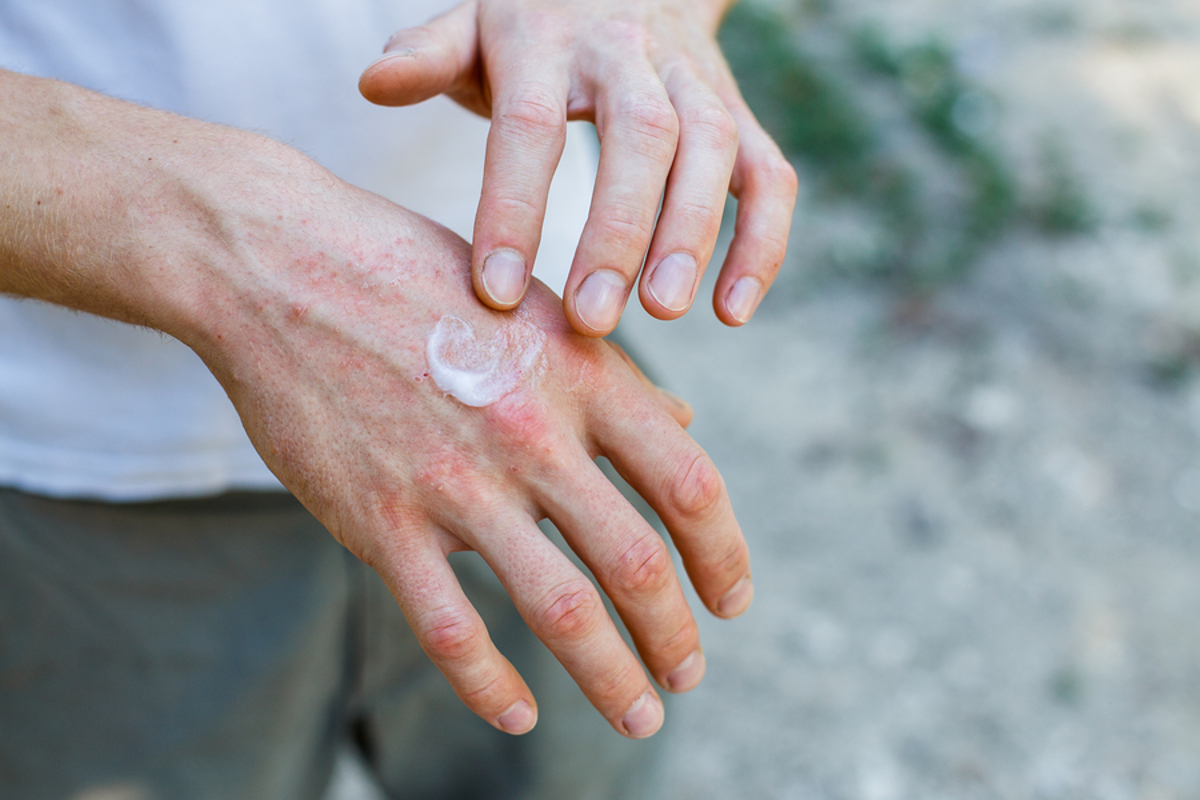
Most of the time, HPV infections clear up with time. However, a couple strains of the virus can lead to cervical cancer, even 20 years after it was contracted, so knowing about treatment options is important. Topical creams, like those containing salicylic acid, can be used to clear up warts. For cervical warts, doctors can surgically freeze these lesions off or remove them through surgery. Your doctor can go over treatment options for you depending on your symptoms. If you think you may have HPV, contact your doctor today. Further, if you’re worried about contracting HPV, talk to your doctor to see if an HPV vaccine is right for you.
eDrugstore invites you to learn more by visiting our Sexual Health page.

Kwynn holds a Master of Public Health and is currently pursuing a PhD in Social Work. Her research examines the intersections of health, technology, and gender-based violence.