


The right sexual lubricant can make the difference between good sex and great sex. Make sure the lubricant you choose is the right one for you and your partner.
Not all sexual lubricants are created equal. While all these products are designed to make sex more exciting and minimize wear and tear on sexual organs by reducing friction, they differ in chemical makeup, odor, duration, and, yes, even taste. Each has its own unique set of pros and cons. The lube that’s best for you and your partner depends on a variety of factors specific to your personal needs and preferences.
Broadly speaking, there are three types of sexual lubricants: water-based, oil-based, and silicone-based. Within each of these categories, there are minor differences and sometimes other ingredients that can either add to or detract from the product’s appeal based on your personal tastes.
Can Enhance Sexual Experience
In addition to reducing the friction that is fundamental to sexual intercourse, whether vaginal or anal, lubricants heighten the sensuality of the act and may even help men with minor erection problems to achieve harder and longer-lasting erections than would be possible without the lube. Even more importantly, some of the lubes contain mild desensitizing agents that can help men with a history of premature ejaculation to regain greater control over the ejaculatory process, which translates into longer staying power.
Water-Based Lubricants
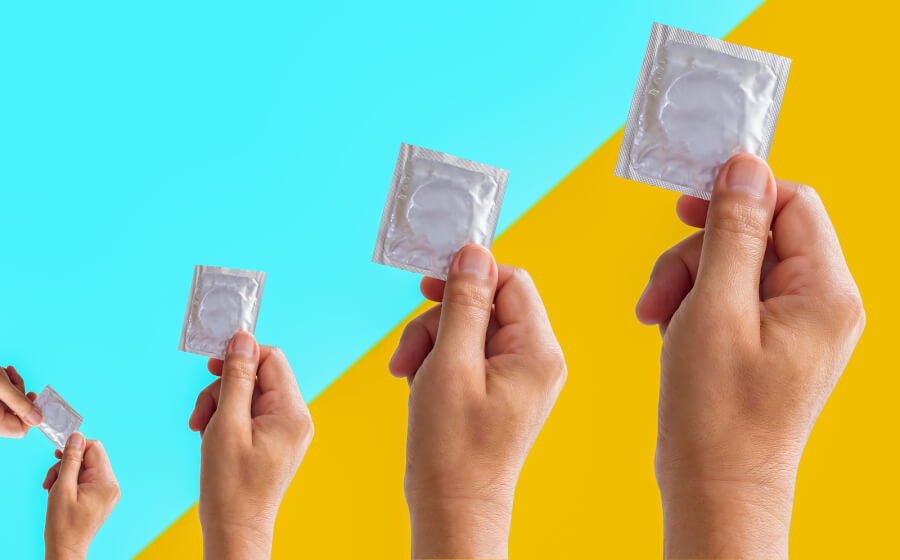
The simplest and least complicated of the sexual lubricants are those that are water-based. These lubes won’t stain fabric, tend to provide a thicker and more comfortable cushion, and are compatible with latex condoms, which can break down and fail when used with oil-based lubricants. Although condoms made of other materials are widely available, latex condoms remain the least expensive available and are still widely used.
On the downside, water-based lubricants without glycerin can have a somewhat bitter taste. Glycerin is sometimes used to impart a sweet flavor that makes them ideal for oral sex. While water-based lubricants with added glycerin do have a somewhat sweet taste that’s favored by some, they tend to dry out more rapidly than plain water-based lubes. And the added glycerin, which enhances the lube’s taste, can trigger yeast infections in women who are already prone to such infections.
However, like other water-based sexual lubricants, those with glycerin are relatively inexpensive, compatible with latex condoms, and cause no stains to fabrics.
Oil-Based Lubricants
Oil-based lubricants can be broken down into two main categories: natural and synthetic. Lubes with natural oils, such as avocado, corn, olive, and peanut oils, as well as butter and vegetable shortening, can be found in most kitchens. Lubes made with synthetic oils, such as mineral oil or petroleum jelly, are also readily available and likely to be found elsewhere in the average household.
Those made with both natural and synthetic oils, as previously noted, are incompatible with latex condoms, although they do work well with condoms made of nitrile, polyisoprene, and polyurethane. According to OurBodiesOurSelves.org, natural oils that are safe to eat are also safe to use elsewhere in the body. They are naturally cleared from the body more readily than synthetic oils, which can take time to be flushed from the body and in the meantime can interfere with your skin’s natural permeability.
Oil-based lubricants, whether natural or synthetic, are low-cost and readily available. However, they are difficult to clean up and can permanently stain fabrics. Synthetic oil-based lubes can irritate the female genitals, most notably the vulva.
Silicone-Based Lubricants
The third broad category of sexual lubricants are those made with silicone, often recommended for use by women with chronic genital pain or vaginal dryness. Silicone-based lubes are the longest lasting of all sexual lubricants, and they present no health threats because the silicone with which they’re made cannot penetrate through the skin’s pores. On the downside, silicone-based lubricants are the most expensive of all three categories of lubes.
If you and your partner use sex toys, such as vibrators or dildos, in sexual play, silicone-based lubes are probably not for you, as the silicone tends to break down the physical structure of the Cyberskin or silicone with which these toys are made.
Some Ingredients to Avoid
Weighing the pros and cons of all three categories of sexual lubricants, natural oil-based and water-based lubricants without glycerin are probably the healthiest choices, at least based on an article at SexualWellnessNews.com. The author of that article recommends avoiding sexual lubricants with the following ingredients:
- Petroleum-based ingredients can coat your skin and at least temporarily interfere with normal function.
- Parabens can mimic the effects of estrogen in your body and thus might lead to an increased risk of breast cancer in women.
- Phenoxyethanol can cause skin irritations, and high concentrations of the chemical have been associated with depressed immunity and reproductive damage.
- Silicone-based ingredients can temporarily coat the skin and temporarily interfere with its normal function.
- Propylene glycol, also found in some brands of antifreeze, can cause tissue irritation in some women.
- Glycerin, a form of sugar, can cause yeast infections in susceptible women.
- Chlorhexidine, an ingredient in a number of lubricants, can cause irritation and other toxic effects in women.
If this article has piqued your interest and you would like to read additional articles about sexual health and function, as well as other topics of interest to health care consumers, follow eDrugstore’s blog on a regular basis.

We specialize in providing our over 1,000,000 customers with relevant product and condition information created by our professional editorial staff which includes our team of medical writers, medical practitioners, and health educators. eDrugStore.com Staff on Facebook