
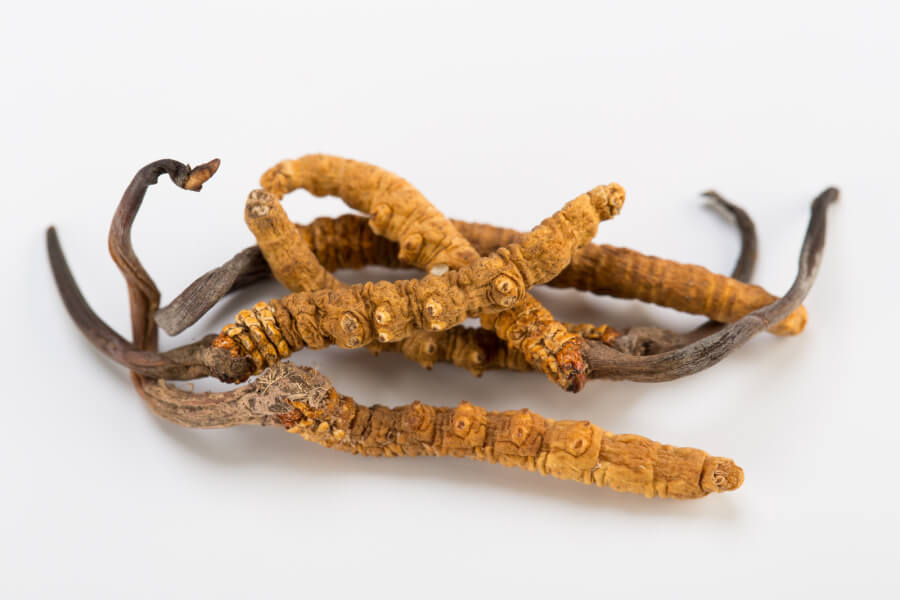

Wildly popular in China, so-called Himalayan Viagra is a purported cure for erectile dysfunction and just about any other ailment you can think of. However, until medical scientists can confirm this caterpillar fungus’s effectiveness as a medication, it’s probably best to steer clear of it.
Worth more than its weight in gold, Himalayan Viagra, also known as “caterpillar fungus,” is widely sought after in China and other Asian countries for its purported medicinal and aphrodisiac properties. Among the Tibetans, it’s known as yartsagunbu, meaning “summer grass, winter worm,” and to Western scientists as Cordyceps sinensis. The caterpillar fungi are prized tiny brown shoots that poke an inch or two above the ground amid the retreating snows on the Tibetan plateau.
It is one of nature’s most unusual creations. These fungi develop when a fungus penetrates a ghost moth’s larva to grow inside and later kill its host after burrowing underground. A small shoot sprouts out of the dead larva’s shell to poke its nose above the soil.
A Major Source of Income
Himalayan Viagra is the primary source of income for many Tibetan herders across a very broad swath of the plateau. The fungus is their economic lifeline and their sole link to the growing prosperity of China. It has transformed communities and brought economic empowerment to both men and women and economic empowerment to Tibetans as a whole.
The first known reference to the Himalayan Viagra’s numerous medicinal qualities comes from a 15th century Tibetan text. The text advises that grinding yartsagunbu into a powder and boiling with yak’s milk and sparrow’s chest would sharpen senses, cure erectile dysfunction naturally, boost libido, improve vitality, and increase fertility. The fungus is now recommended for lung and kidney ailments, to boost the immune system and treat cancer, with an estimated annual market worth $11 billion.
Touted as Cure for SARS
In 2003, Himalayan Viagra was marketed as a cure to quell the panic that erupted after an outbreak of the severe acute respiratory syndrome (SARS) virus. So overwhelming was the demand for the fungus, that Lhasa, the capital of Tibet, totally depleted its stocks of the product. The fungus was suddenly being used everywhere: made into tablets, ground into powder, steeped in alcohol, and even cooked in food.
The product has also been popularized through China’s gift culture and the corruption accompanying it. It’s healthier as a gift than cigarettes or alcohol by far and more elegant than a bulky wad of money.
Despite its obvious popularity, the fungus’s medicinal properties remain in question. While no western studies have definitively substantiated the fungus’s purported medicinal properties, research at the University of Nottingham in Britain did indicate that cordycepin — a chemical extracted from Cordyceps — might serve as a painkiller in the treatment of cancer and osteoarthritis.
Although a recent threat emerged when China’s Food and Drug Administration revealed that tablets and powders made from the fungus contained more arsenic (four times) than the safe limit, dealers insist that the product is safe and that the arsenic-tainted fungal tablets and tablets were counterfeits.
Until the safety and efficacy of Himalayan Viagra has been confirmed by further research, you’d probably be best advised to pass if offered an opportunity to buy this herbal remedy.
If this article has piqued your interest and you would like to see more of the same, as well as the latest developments on the consumer health front, check out eDrugstore.com’s blog.

We specialize in providing our over 1,000,000 customers with relevant product and condition information created by our professional editorial staff which includes our team of medical writers, medical practitioners, and health educators. eDrugStore.com Staff on Facebook