


Telemedicine is a concept that’s inching its way into the mainstream of healthcare provision in the US. It lets doctors help patients without having them visit in person.
With telemedicine, the physician and the patient are not physically in the same room, but communicate by phone, video conference, or some other telecommunications method. Telemedicine also encompasses processes like “store and forward” consultation, where records, x-rays, or other medical information is forwarded to a specialist without the patient making an in-person visit.
As is the case with traditional medical visits, telemedicine visits sometimes involve the prescription of medication by the physician. There are benefits and risks to prescription via telemedicine, and physicians, patients, and governing bodies are still in the process of figuring out how to do it safely and within the boundaries of the law.
Researchers from the Christiana Care Health System in Delaware and University of the Sciences in Philadelphia recently published a study with the objective of determining the extent and characteristics of phone-based prescription of antibiotics in teaching and non-teaching primary care practices.
Study: One in Eight Antibiotic Prescriptions Provided Via Phone
The study conducted in Delaware and Pennsylvania examined records of patients cared for by both teaching and non-teaching practices in pediatrics, internal medicine, family practice, and obstetrics / gynecology from 2006 through 2010. The study documented rates and types of antibiotics prescribed via telephone contact and office visit. Then the phone-related prescriptions from 2008 were reviewed to examine indications for antibiotic prescriptions.
Just over 12% of antibiotic prescriptions were generated after phone contact, and over the course of the study (2006-2010), the rate of prescribing after phone contact increased steadily. Antibiotic prescribing was more common in non-teaching practices than teaching practices, both by phone and in person. Most antibiotics prescribed by phone during 2008 were for urinary tract infections, sinusitis, and unspecified upper respiratory infections. The study did not analyze patient outcomes based on whether the antibiotics were prescribed in person or by phone.
Advantages and Disadvantages of Antibiotic Prescriptions by Telemedicine
An advantage to patients to receiving an antibiotic prescription by phone is that it eliminates leaving home and waiting (often in a waiting room full of other sick people) to see a physician in person, who would likely prescribe the same thing. Respiratory infections can be transmitted fairly easily, and physicians too might prefer to limit the number of infectious persons in their waiting rooms if patients can be treated safely and effectively without an in-person visit.
On the other hand, if a patient is new, or has never experienced a similar condition to what he or she is seeking treatment for, an in-person visit could provide the physician with more information necessary to determine the best method of treatment. There is the possibility that by prescribing antibiotics after a phone conversation, the physician could be missing information important to the diagnosis and plan of treatment.
Using Telemedicine to Prevent Prescribing Errors
Another study, of prescribing practices concerning pediatric patients in rural emergency rooms, found that using videoconferencing technology to “virtually” bring in pediatric critical care specialists helps prevent prescribing errors. Dr. James Marcin of the University of California Davis Children’s Hospital in Sacramento was the lead author of the study, which found that rural ER doctors made mistakes in administering medication only 3% of the time when a specialist was brought in via telemedicine videoconference.
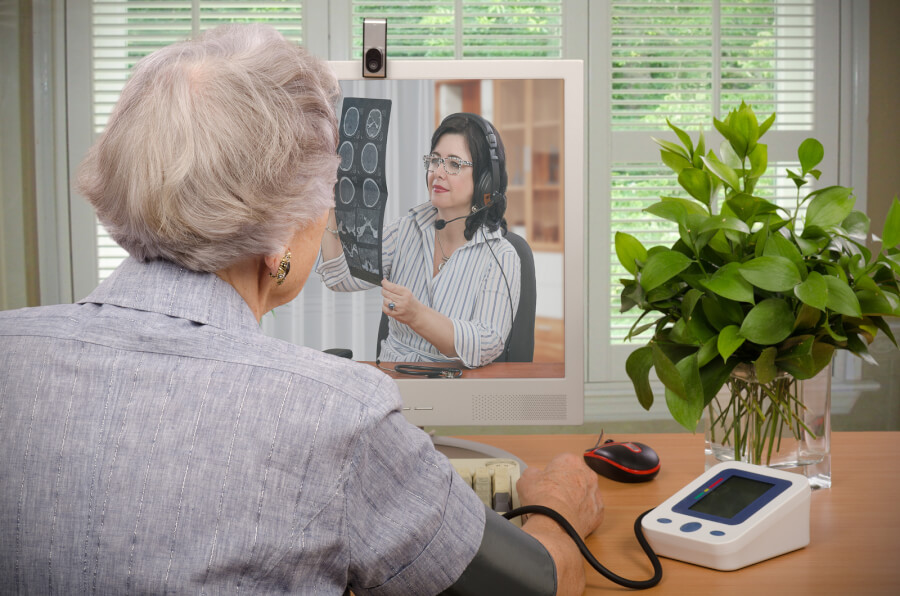
Dr. Alejandro Lopez-Magallon, who studies telemedicine at the Children’s Hospital of Pittsburgh, told Reuters concerning the study, “The amount of information that you can gather in a telemedicine consultation is typically much richer than what you can gather from a telephone conversation. Also, the level of interaction with the remote care team widens because … you can interact with the remote physician or physicians and nursing staff, support staff and the patient and family themselves.”
Concerns About Telemedicine and Prescribing
In April of this year, the Federation of State Medical Boards (FSMB) adopted their “Model Policy for the Appropriate Use of Telemedicine Technologies in the Practice of Medicine.” This document addresses many concerns of state medical boards surrounding telemedicine, including prescribing practices in telemedicine.
The Model Policy hopes to address concerns about prescribing via telemedicine through the suggestion of protections that improve patient safety. Suggested precautions include maintaining detailed documentation and records of each telemedicine visit and the introduction of telemedicine platforms with “e-prescription” systems to minimize prescribing errors. The FSMB recommends that telemedicine technology should limit medication formularies to those deemed safe by each appropriate state board.
Telemedicine Prescribing Standards (or Lack Thereof)
The state of Idaho sanctioned a physician named Ann DeJong earlier this year for prescribing an antibiotic to a patient based on a phone conversation through a telemedicine company called Consult-a-Doctor. Through the company, DeJong received calls for consultations in states where she was licensed to practice. A pharmacist refused to fill the prescription, questioning its legality, and the Idaho Board of Medicine investigated, ultimately sanctioning and fining DeJong.
One sponsor of a new telemedicine bill in Idaho (who is also a physician) noted, “There’s lots of us who have called in prescriptions for patients that we have never examined personally,” including doctors covering patients for other physicians on call. The bill would set state standards on telemedicine, to protect patients and prevent the miscommunications that led to Dr. DeJong’s sanctioning, which could threaten her board certification.
Conclusion
There are still many issues that need to be worked out concerning prescribing of drugs via telemedicine. Physicians have long prescribed medications by phone to established patients or to patients whose doctors they are covering for. But misunderstandings about what is legal and what isn’t as well as lack of prescribing standards for telemedicine could present problems for patients and doctors.
Lawmakers in several states are welcoming the introduction of telemedicine legislation, viewing it as a cost-effective and efficient way to bring healthcare to rural areas and address regions where there are severe physician shortages. Addressing concerns about prescribing, and setting standards for telemedicine prescriptions could alleviate concerns by state medical boards and open up telemedicine to more people, including those with limited access to healthcare.
eDrugstore.com has provided name brand prescription medications to over half a million customers since 1998. Working with US-licensed pharmacists, eDrugstore.com delivers prescription medications quickly and discreetly, using only the highest standards for customer privacy and online security.

We specialize in providing our over 1,000,000 customers with relevant product and condition information created by our professional editorial staff which includes our team of medical writers, medical practitioners, and health educators. eDrugStore.com Staff on Facebook