

 After the recent 8.9 magnitude earthquake and tsunami in Japan, those around the world have turned their attention to a new disaster that could strike the island in the coming days: nuclear meltdown. This potential has scientists warning of the possibly serious health risks that could occur if a nuclear meltdown occurs.
An explosion at the Fukushima, Japan nuclear plant has raised fears that a meltdown may already be in progress. While the steel container protecting the reactor does not appear to have been damaged, already radiation levels near the plant have begun to rise. Although Japanese officials cannot know for certain what is happening in the reactor’s core, they have already evacuated hundreds of thousands of people living near the nuclear plant.
Malfunctioning cooling systems have also been reported at several other reactors, prompting fears that more than one nuclear reactor could experience a meltdown in the days ahead. This news brings up memories of the Chernobyl disaster in 1986 and the Three Mile Island accident in Pennsylvania in 1979, both of which resulted in negative health consequences for the surrounding population. While the true extent of the disaster in Japan remains unclear at this time, experts have already begun weighing in on the possible health effects of even a low dose of radiation.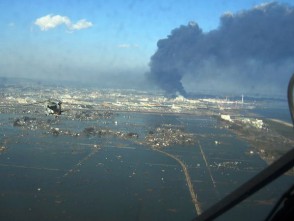
The acceptable thresholds for radiation exposure are based on the belief that anything beyond natural levels is harmful and could result in an elevated cancer risk. The nuclear fallout from a meltdown in Japan could vary greatly depending on how the meltdown occurs, how much radiation is allowed to escape the steel container, and the wind carrying the radiation. Edwin Lyman, a senior scientist associated with the Union of Concerned Scientists, says winds could spread radiation to cancer-causing levels up to 100 miles away, while others say that a nuclear meltdown would carry radioactivity to Tokyo – only 250 miles from the reactors – as well as to Hawaii and perhaps even the West Coast of the United States.
While the evacuation zone already in place may limit the risk of acute radiation sickness, the possibility remains for chronic conditions ranging from cancer to cardiovascular disease. Even a low dose of radiation has been linked to increased risk for cardiovascular disease, says the National Research Council. Already Japan has begun the distribution of potassium iodine, an important precaution against the negative health effects of radiation.

We specialize in providing our over 1,000,000 customers with relevant product and condition information created by our professional editorial staff which includes our team of medical writers, medical practitioners, and health educators. eDrugStore.com Staff on Facebook