


Highlights
- Testosterone levels decline with age and as a result of various medical conditions.
- Testosterone replacement has side effects and may have long-term risks.
- Doctors may prescribe testosterone replacement medication to men who don’t need it and won’t benefit from it.
- Both low and high testosterone carry health risks.
- Use an at-home testosterone kit to determine whether you should boost your testosterone.
Testosterone levels peak in men in their early 20s. After the mid-30s, testosterone naturally declines with age, at the rate of about 1.6 percent per year. Free, bioavailable testosterone levels drop even faster, at the rate of 2-3 percent per year.
Ads for testosterone replacement therapy (TRT) claim that testosterone supplementation can help men lose weight, build muscle, experience better moods, be more energetic, and have a stronger sex drive.
As a result, prescriptions for testosterone therapy have increased, with doctors prescribing more and more testosterone to men who may not need it.
Get Tested
Though your testosterone will decline with age, it doesn’t severely deplete, even when you reach an advanced age.
Since so many people use testosterone replacement medication these days, it’s clear that some of them do so without needing it. Testosterone supplementation does have side effects, and we don’t know its long-term risks yet.
On the other hand, many men may go untreated, as doctors find it more difficult to diagnose low T in patients with various medical conditions like diabetes, high blood pressure, high cholesterol, etc.
The only way to find out if low T is the cause of your health problems is to measure your testosterone levels. Now you can use an affordable at-home testosterone kit to find out whether you need TRT.
Testosterone Deficiency
There is no standard definition of what qualifies as a “low” testosterone level. The healthy range is generally quoted as being between 250 and 1,100 nanograms of testosterone per deciliter of blood.
Androgen deficiency is currently defined as testosterone levels below 300. Symptoms of androgen deficiency include weight gain, muscle atrophy, poor sleep quality, tiredness, low sex drive, and erectile dysfunction. However, these symptoms are common in middle-aged men with sedentary lifestyles who may be raising children while pursuing a career, regardless of testosterone level.

Doctors may recommend lifestyle changes to raise testosterone levels, such as exercise and weight loss, whether or not they prescribe testosterone supplementation.
Arguments for Testosterone Supplementation
Some researchers, like Dr. Abraham Morgentaler of Harvard Medical School, think that low testosterone is underdiagnosed. Dr. Morgentaler argues that declining testosterone should be considered a treatable part of the aging process, like poorer eyesight or hearing. And he even thinks that a recent decline in TRT prescriptions is the result of medical hysteria.
Some doctors believe that the current definition of “low” testosterone (under 300 nanograms per deciliter of blood) is too low, and more men should get treatment for testosterone deficiency.
Arguments against Testosterone Supplementation
Testosterone levels that are too high can accelerate the advancement of prostate cancer and can cause hair loss, acne, shrunken testicles, and sterility. High testosterone levels also raise red blood cell concentration, which can improve athletic performance but increase the risk of cardiac problems.
Researchers have established, however, that the causality between high T and increased cardiovascular risk isn’t as straightforward as they had thought. More recent research suggests that older studies about the links between high T and cardiovascular risk may have been flawed.
Doctors now accept that low T is more of a cardiovascular risk factor than high T.
Testosterone Research
Dr. Ronald Swerdloff is head of Harbor-UCLA Medical Center’s endocrinology division and was also the chief investigator for one of the 12 sites involved in a study called The Testosterone Trial in Older Men. This nationwide study, primarily funded by the National Institute on Aging, included 800 men over age 65 with low testosterone levels.
The study aimed to determine if men using testosterone replacement drug AndroGel for one year showed improvement in walking speed, sexual activity, memory, and anemia compared to men treated with a placebo.
Researchers completed the study in 2015 and published their findings in 2016. Swerdloff had hoped that the trial would provide “some clarity as to whether testosterone replacement therapy will benefit men in this older age group who have abnormal testosterone and have some symptoms.” The trial uncovered some benefits for participants regarding sexual function, depressive symptoms, and mood. Testosterone therapy did not improve vitality or physical stamina.
What Should Men Do?
Men who believe they may benefit from increased testosterone levels should work with a physician to determine whether trying testosterone supplementation is safe and worthwhile. If a physician believes the benefits of testosterone supplementation outweigh the risks, it may be reasonable to try “low T” therapy.
One thing men should not do, however, is obtain testosterone-boosting drugs from any source other than a licensed pharmacy requiring a physician’s prescription. eDrugstore.com is an online medical facilitator staffed by doctors who can determine if a man could benefit from testosterone therapy and prescribe accordingly. Since 1998, we have satisfied thousands of customers who want to obtain prescription medications safely, securely, and with the utmost concern for privacy.
At-home Testosterone Kits
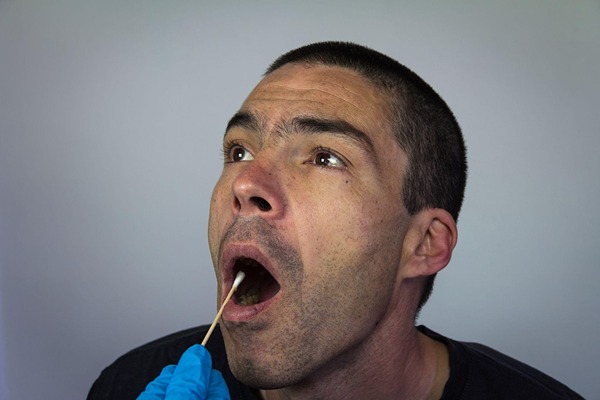
Simple and affordable testing solutions already exist that allow you to measure your testosterone levels without going to a doctor and performing complicated and possibly expensive testing.
You no longer have to guess whether your symptoms are testosterone-related. And you don’t have to take testosterone-boosting drugs if you don’t need them.
For those with low T, testosterone replacement is beneficial. For those with normal testosterone levels, it carries no benefits. Using an at-home testosterone kit, you can determine whether you should seek a testosterone-boosting treatment. Always discuss your test results with your doctor before taking action.
eDrugstore Can Help You
We carry pain-free at-home testosterone kits to help determine whether you could benefit from TRT.
If it turns out that your testosterone is low, our U.S.-licensed doctors will review your results and tell you what to do next.

James West is a seasoned health and wellness writer with a focus on topics related to physiology, sleep, and men’s health. He has contributed articles on a range of subjects, from erectile dysfunction treatments and sleep aids to hair loss, providing well-researched insights to help readers make informed health decisions.