

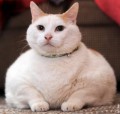
 As Americans continue to struggle with their weight, they are allowing their feline and canine pets to become fatter and fatter as well.
A new study reports that the obesity rate for dogs jumped from just over 10 percent in 2007 to a whopping 20 percent in 2010. Some of that may have to do with more veterinarians actively identifying the weight problem, but that’s still a big spike. Obesity among cats increased from 19 percent in 2007 to 22 percent in 2010.
There are an estimated 171 million cat and dog pets in the U.S. and about 93 million of them (or about 53 percent) are considered to be overweight or obese. As with people, excess weight causes animals to suffer from preventable medical conditions. For pets, being overweight increases the chances for high blood pressure, diabetes, arthritis, kidney failure and cancer.
Overweight pets often live fewer years than healthy, fit cats and dogs, and the owners of overweight pets dish out tens of millions of dollars every year for preventable treatments and surgeries that are closely linked to excess weight gain.
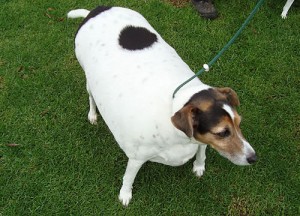 The latest study was conducted by the Association for Pet Obesity Prevention, which began the survey in 2007. This year, the country’s largest general veterinary practice, Banfield Pet Hospital, joined on as a survey partner.
One big challenge for pet owners is simply to realize their pet is overweight. One segment of the study showed that only 17 percent of pet owners felt their pet was overweight, while 47 percent of veterinarians diagnosed their pet as overweight.
In order to combat this challenge, Banfield is introducing new software that requires a pet to be ranked on a Body Condition Score each time it visits with a vet. The animal will receive a grade between 1 (too thin) and 5 (obese), and Banfield vets will speak with pet owners whose pets are overweight or obese.
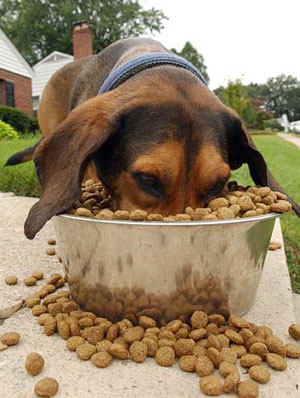 Achieving weight loss with a pet can be done if certain steps are taken. First, cut back, and then eliminate, giving table scraps and other “people food.” Also, consult with a veterinarian to change the pet’s diet, which may include starting the pet on diet or reduced-calorie food. Do not overfeed the pet.
One way to help achieve weight loss and fitness for a pet is to form a “team” with the pet – in other words, get healthier with the pet at the same time. If an owner has a dog, they can go on walks or play together. The situation is a little different for cats, but the owner can still become more active or eat better while their pet loses weight.
As one veterinarian put it, they have never seen a dog or cat open the refrigerator and prepare themselves a meal. It is the responsibility of the owner to take their pet’s health seriously, and weight plays a big role in a pet’s health and longevity. Ultimately, an owner is putting their relationship with their beloved pet in jeopardy if they continue to allow their pet to be overweight, unfit and unhealthy.

We specialize in providing our over 1,000,000 customers with relevant product and condition information created by our professional editorial staff which includes our team of medical writers, medical practitioners, and health educators. eDrugStore.com Staff on Facebook