

 Watching the Super Bowl is supposed to be fun, not life threatening. But a new study shows that heart-related deaths rise among fans whose team loses the Super Bowl. This year’s game will be watched by some 100 million people, and the oddsmakers say it’s going to be a close game. Alert the hospitals in Green Bay and Pittsburgh.
The new study took a look at the cardiac death rates from more than 30 years ago in Los Angeles. The year was 1980, when the Los Angeles Rams lost a Super Bowl nail biter to the Pittsburgh Steelers. During the game, the lead changed hands many times and the Steelers ultimately pulled out the win, 31-19. The emotional ties for Rams fans may have been that much greater, because the Super Bowl was played in Pasadena, Calif.
Researchers found that cardiac death rates in Los Angeles for the day of the game, and for the following two weeks, were much higher as compared to those same weeks during each of the following two years. Cardiac-related death rates actually increased more for women (27%) as compared to men (15%) and in people 65 and older (22%). A similar study performed during the 2006 World Cup found that heart attacks in Germany increased on days when the German team played, but mainly among men.
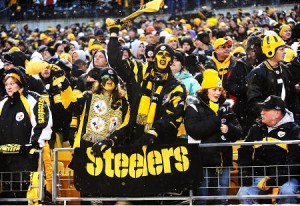 Researchers for the Super Bowl study were surprised by the high number of women that died due to heart problems. They postulated that the spike may have been caused by reactions to angry or upset husbands or loved ones.
These days, more and more women are becoming dedicated fans of their teams, but the NFL and the Super Bowl have grown exponentially in popularity and perceived importance since Super Bowl 14 in 1980. The hoopla surrounding this year’s game between the Steelers and Packers – two of the most popular, storied franchises in NFL history – may be at an all-time high. The game is sure to draw a lot of emotions from both sides, and when you consider the amount of beer and fat that will be consumed, it’s a perfect recipe for all types of unwanted heart episodes.
But, back to the latest study. As a control, the researchers also compared cardiac-related deaths as described above for the 1984 Super Bowl, in which the Raiders defeated the Washington Redskins in Tampa, Fla. Cardiac-related deaths actually went down a statistically insignificant amount, especially in people 65 and older, and in women.
 Researchers say that the closer the score is in the Super Bowl, the more potential there is for heart events. Extreme and fluctuating emotions can cause stress, which can generate a “fight-or-flight response,” which can cause sharp spikes in heart rate and blood pressure. This can strain the heart and cause problems.
Sometimes, it’s more fun to watch the die-hard fans than it is to watch the game itself. Unless the fans end up on the floor clutching their chest.
The results of the latest study, led by Robert Kloner, a physician and professor at the University of Southern California, appear in this week’s edition of Clinical Cardiology.

We specialize in providing our over 1,000,000 customers with relevant product and condition information created by our professional editorial staff which includes our team of medical writers, medical practitioners, and health educators. eDrugStore.com Staff on Facebook