

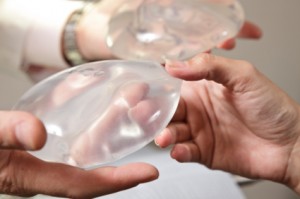
 The U.S. Food & Drug Administration (FDA) believes that women who receive breast implants could have a small, but real, increased risk of developing a rare cancer called anaplastic large-cell lymphoma (ALCL).
The FDA reviewed 34 cases of ALCL in women with breast implants, and the Los Angeles Times reports that as many as 60 cases exist worldwide among the 5 to 10 million women who have received the implants. The Times also reported that the rate of breast tissue ALCL in the normal U.S. population is just 3 in 100 million.
The FDA has stated that it will perform extensive research over the coming years to verify the exact level risk for ALCL, if it exists. But the agency also stated that the risk is considered miniscule, and that it is therefore not necessary for women with implants to have them removed.
 The FDA banned silicone breast implants in 1992, except in clinical trials, because of potential health problems caused by leaking silicon. The substance could trigger autoimmune disease and other health problems, but after the FDA was sure that women were no longer at risk, it lifted the ban on silicone implants in 2006.
The good news is that the two U.S. manufacturers of the silicone implants, Mentor and Allergan, will be collecting safety data on 40,000 women through 2016. That information will be combined with the recently initiated efforts by the American Society of Plastic Surgeons to begin a registry of every single breast implant recipient.
As part of the FDA’s announcement regarding the ALCL link to implants, the agency shared the following information about the known cases:
 • The majority of ALCL cases have been diagnosed since 2006, when silicone implants returned to the market.
• The median timeframe for ALCL diagnoses was eight years after implant surgery
• Most cases of ALCL were detected in the fibrous capsule that formed around the implant. If women suffer from the symptoms of ALCL, including swelling, pain or lumps around the implants, they should visit their doctor immediately.
• More cases involved implants for breast augmentation rather than for reconstruction following breast cancer surgery.
According to the American Society of Plastic Surgeons, breast augmentation (including breast implants) is the most popular elective cosmetic surgery in the U.S. It made up 19% of all cosmetic surgeries in 2009, as nearly 290,000 women underwent a breast augmentation procedure. And despite the recession, these surgeries have risen 36% since 2000.
For most women, the benefits obviously outweigh any potential risks. It is unclear if this latest information from the FDA will have any impact in the future.

We specialize in providing our over 1,000,000 customers with relevant product and condition information created by our professional editorial staff which includes our team of medical writers, medical practitioners, and health educators. eDrugStore.com Staff on Facebook