

Erectile dysfunction is one of the most common forms of sexual dysfunction, according to sex therapist Katie Schubert, Ph.D. In a recent article posted at the website of the Tampa Bay Times, Schubert explains that pinpointing its precise causes and finding appropriate solutions can be a daunting challenge.
More than 18 million men over the age of 20 suffer from some degree of erectile dysfunction, according to a study conducted a few years back by researchers at Johns Hopkins Bloomberg School of Public Health. The study’s findings were based on data collected from 2,100 men during the National Health and Nutrition Examination Survey (NHANES). Men who reported that they were “sometimes able” or “never able” to get and keep an erection were classified as suffering from ED, while those who said they were “usually able” or “always or almost always able” were not judged to be suffering from ED.
Many Factors Involved
As Schubert points out in her article, men’s erectile function is affected by a wide array of physiological and psychological factors. On the physiological side, risk factors for ED include cardiovascular disease, diabetes, lack of physical activity, and smoking, to name just a few. Men who have begun to experience difficulty in getting and/or keeping an erection face an increased risk of heart attack or stroke if they fail to address the vascular problems that are responsible for their impotence.
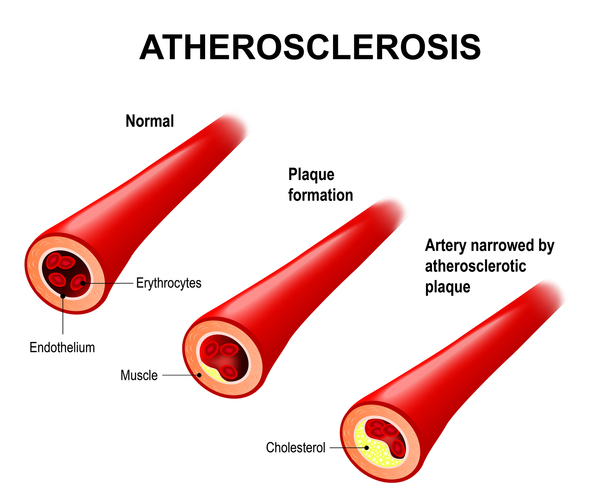
At the risk of oversimplifying a rather complex problem, it’s worth noting that ED arises most commonly from insufficient blood flow to the penis. This is a departure in the thinking from several decades back when it was widely believed that psychological issues were the primary cause of impotence. However, compromised blood flood to the penis and other vital organs can be caused by one or more of several different factors, including some of the aforementioned, as well as obesity, atherosclerosis (a buildup of plaque on the inner walls of the arteries), and endothelial dysfunction.
Primary Causes of ED
Endothelial Dysfunction: The endothelium is a thin layer of cells lining artery walls. Under optimal conditions, its cells release chemical substances that maintain the balance between the dilation and constriction of the blood vessels. Endothelial dysfunction occurs when some outside force upsets that delicate balance between dilation and constriction. This condition interferes with normal blood flow patterns and in time can accelerate the damage caused by atherosclerosis.
Atherosclerosis: As previously mentioned, this condition exists when fatty plaques build up on the inner lining of the arteries. Among the factors that can lead to atherosclerosis are high intake of foods high in low-density lipoprotein, the so-called bad cholesterol, and inadequate consumption of foods rich in high-density lipoprotein, so-called good cholesterol.

Obesity: Carrying around too much extra weight puts added strain on all of the body’s systems, including the circulatory system. If you’re significantly overweight, you’re more likely to develop high blood pressure and atherosclerosis, both of which can gradually restrict blood flow throughout the body.
Diabetes: Failure to properly manage your blood sugar levels eventually leads to damage to both the nervous system and circulatory system, both of which play key roles in erectile function. Men who’ve been diagnosed with the early stages of type 2 diabetes can significantly reduce symptoms — sometimes to the point of recovery — by making healthy lifestyle changes.
Hypertension: Uncontrolled high blood pressure inflicts serious damage on the vascular system, which in turn impedes that system’s ability to deliver strong blood flow to the penis during the erection process.
Cardiovascular Disease: Which came first, the chicken or the egg? A similar question arises when CVD is determined to be the root cause of a man’s erection problems. For those men who are fortunate enough to find that bad lifestyle choices and other physiological factors are causing erection problems, taking quick action to regain normal erectile function can often head off more serious health problems in the future, like a heart attack or stroke.
Smoking: Smoking over time causes damage to your blood vessels, increasing the risk of endothelial dysfunction and atherosclerosis, both of which can interfere with normal blood flow to the penis. Studies show that men who quit smoking often regain normal erectile function if they do so before irreparable damage has been done.
Low Testosterone: While testosterone, the primary male sex hormone, is not directly involved in the erection process, it does play a central role in the regulation of sexual desire. And without sexual desire, there’s not a whole lot of point in getting an erection anyway.
Psychological Causes: Anxiety, depression, guilt, low self-esteem, and other manifestations of mental and/or emotional problems account for an estimated 10 to 20 percent of all ED diagnoses in this country. Men sometimes become so worried about their ability to perform well in bed that they sabotage themselves and find it hard to get or keep an erection.
What to Do about These Problems?
Go after Root Causes: Perhaps the easiest way to tackle some of these erection problems, assuming they’ve not yet begun so deeply entrenched as to be intractable, is to take steps to change the behavior that is causing problems. Stop smoking, skip the fast food in favor of healthy alternatives, lose weight, or initiate a program of regular physical activity.

Seek Professional Counsel: If your erection problems fail to respond to lifestyle and other behavioral changes, it’s time to seek professional advice. This is particularly important for those whose problems are primarily psychological in origin. Talking these problems out with a professional can sometimes put you back on the road to normalcy. As to ED of a physiological origin, a physician may be able to give you the tools to recover normal erectile function without resort to medications or other ED solutions. If not, he or she can discuss with you which of the ED treatment options seems best for you.
Viagra and Other PDE5 Inhibitors: The introduction of Viagra in 1998 revolutionized the treatment of erectile dysfunction. Since then, several similar drugs — Levitra, Cialis, Staxyn, and Stendra — have become available. Known collectively as PDE5 inhibitors, these drugs temporarily optimize blood flow to the penis to facilitate the erection process. They are the first line of defense against erectile dysfunction and work well in roughly two-thirds of all men with ED.
Penile Injection Therapy: If your erection problems don’t respond well to one of the several ED medications on the market, another option is penile injection therapy, which involves the self-administered injection of a drug like alprostadil directly into the shaft of the penis. Said to be 85 percent effective, this treatment produces almost instant results.
Vacuum Pump: Although a bit cumbersome, this form of treatment involves a clear plastic cylinder that is fitted over the penis. Once in place, the air in the cylinder is pumped out. As the air directly surrounding the penis is pumped out, blood flow into the penis increases. When the desired level of erection has been achieved, an elastic ring is placed at the base of the penis to keep the blood in place, and the plastic cylinder is withdrawn.
Penile Implants: These surgically implanted prostheses come in two basic types: semi-rigid (malleable) and inflatable. With a semi-rigid implant, the penis is bent toward the body for concealment under clothing when not in use and then bent upward for sexual activity. An inflatable implant consists of inflatable cylinders inserted into the shaft of the penis and a combined fluid reservoir and pump that are usually placed in the scrotum. This allows a man to pump fluid into the penile cylinders to create an erection for sexual activity and then to release that fluid back into the reservoir once sex is over.
Testosterone Replacement Therapy: Men function well sexually with a wide range of blood testosterone levels. However, in cases where blood T-levels are extremely low and sexual desire has declined sharply, your doctor might prescribe some form of testosterone replacement therapy to get you back in the game.
If you would like to read additional articles about sexual health and function, as well as other articles of interest to health consumers, check out our blog.

We specialize in providing our over 1,000,000 customers with relevant product and condition information created by our professional editorial staff which includes our team of medical writers, medical practitioners, and health educators. eDrugStore.com Staff on Facebook