

Since 1991, the rate of high school drinking and driving has been reduced by 54% — but 1 in 10 students still drinks and drives. — Click to Tweet.
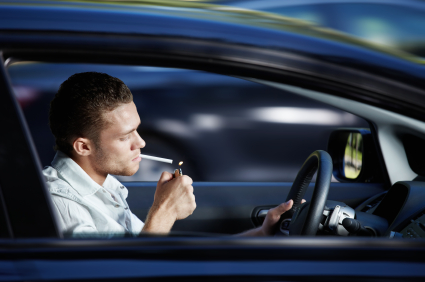
The CDC has recently analyzed government data from National Youth Risk Behavior Surveys that have asked students whether they’ve had anything to drink before driving in the last 30 days.
CDC director Thomas R. Frieden warns that even though the data is encouraging, we still have over 2.4 million teens drink and drive each months — and some of those do it more than once a month.
The data is also rather disturbing because most of the teens — 85% of them — who report drinking and driving have also reported binge drinking. Binge drinking is defined as having five or more drinks in a short period of time, and the result is greatly impaired judgment and driving skills.
What Caused The Improvement?
The CDC reports that the improvement can be attributed to the National Minimum Drinking Age Act of 1984. This act required all states to pass laws making it illegal to sell alcohol to anyone under 21, and also to make laws that forbid anyone under 21 from driving after having any amount of alcohol.
Other similar restrictions may also have helped, such as now-nationwide graduated licensing system, which gives teen drivers an increasing set of privileges after they first get their licenses. New drivers gain privileges like driving with passengers or driving at night, but only after a set period of time.
This type of legislation is effective because it gives teens more time to mature in their decision-making abilities and their driving skills before gaining full responsibility, but also because it is clear-cut and easily enforced.

Response from MADD
Jan Withers, the national president of Mothers Against Drunk Driving (MADD) has also issued a statement on the findings. She says “the study is encouraging,” and that “it’s evidence that the work we’ve been doing in America to bring the teen drinking-and-driving rate down is working.”
Jan Withers has a story of passion for this issue that springs from personal trauma: her fifteen-year-old daughter was hanging out with a close friend and some older boys when they started drinking. Later, they got into a car with one of the older boys. Trying to impress his friends, he sped his car up to 120 miles per hour and lost control. Everyone survived except for Jan’s daughter.

We specialize in providing our over 1,000,000 customers with relevant product and condition information created by our professional editorial staff which includes our team of medical writers, medical practitioners, and health educators. eDrugStore.com Staff on Facebook